- Federal Government officials reaffirmed Nigeria’s alignment with OPEC and the OPEC+ framework on Friday, emphasizing the group’s role in stabilizing global oil markets.
- The United Arab Emirates (UAE) officially exited OPEC on May 1, 2026, removing approximately 3.36 million barrels per day, about 12% of the group’s total output from the cartel’s coordinated supply system.
- Experts warn that the UAE’s departure could weaken OPEC’s price-influencing power, potentially leading to lower global oil prices and reduced revenue for Nigeria.
- Economists urge Nigeria to focus on domestic reforms, including improving production efficiency, reducing costs, and accelerating gas-led diversification to withstand a more volatile market.
Following the official exit of the United Arab Emirates (UAE) from the Organisation of the Petroleum Exporting Countries (OPEC), Nigerian government officials have moved to calm domestic and international concerns by declaring their steadfast support for the oil cartel.
Eko Hot Blog reports that officials from the Ministry of Petroleum Resources stated that Nigeria remains bound by the Declaration of Cooperation, viewing the multilateral alliance as a vital shield against market volatility.
EDITOR’S PICKS
- JAMB Delists 23 CBT Centres, Warns 89 After Mock UTME Review
- NASA Astronauts Return to Earth After First Human Trip to the Moon in 50 Years
- INEC Shifts Nationwide Voter Revalidation Until After 2027 General Election
The UAE, a member since 1967, completed its withdrawal on May 1, 2026, following a strategic review of its energy investment priorities.
The departure is significant; in 2025, the UAE produced 12% of OPEC’s total output, making it one of the group’s most disciplined and influential members.
Analysts, such as energy economist Wumi Iledare, suggest this exit highlights a growing tension within OPEC between countries wanting to monetize expanded production capacity and the collective need for quota constraints.
While some suggest Nigeria might see a higher production quota in the wake of the UAE’s departure, many experts view the shift as a net negative.
Muda Yusuf, CEO of the Centre for the Promotion of Private Enterprise, warned that a weakened OPEC may struggle to defend oil prices.
If the UAE increases its independent output, global prices could fall, leading to a “double tragedy” for Nigeria if the country cannot also increase its own production volumes to compensate.
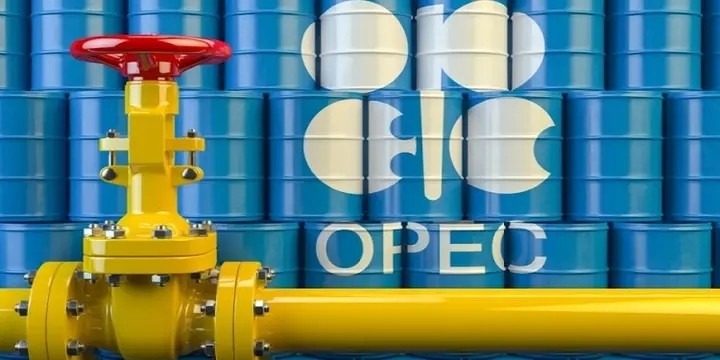
Experts emphasize that Nigeria must now prepare for a future where the “OPEC price umbrella” is less reliable. Recommendations for the Federal Government include:
- Reducing high unit costs and addressing leakages to ensure profitability even at lower prices.
- Moving away from a total reliance on crude oil exports toward refined products.
- Adopting more conservative fiscal assumptions in national budgeting to account for increased price volatility.
Despite these warnings, Nigeria’s official stance remains one of “balanced support”, safeguarding national economic interests while maintaining strong adherence to the collective production frameworks that have historically managed the global energy landscape.