- The government also intends to seek additional support for nations simultaneously dealing with economic reforms
- the government said its economic strategy will move beyond stabilisation toward expanding private sector investment
The Federal Government has announced plans to pursue more affordable financing options and stronger international backing as rising geopolitical tensions place increasing strain on Nigeria’s economy.
This was revealed in a statement released on Monday by Dr. Ogho Okiti, Special Adviser on Media and Communications to the Minister of Finance and Coordinating Minister of the Economy, ahead of the 2026 IMF and World Bank Spring Meetings in Washington, D.C, Eko Hot Blog gathered.
EDITOR’S PICK
- Interior Ministry Orders Immediate Deactivation of Passports for Former Citizens
- Iran Sets Conditions as US Warns Ahead of Talks
- 7 Things People Over 50 Should Do Every Morning for Better Health
According to the statement, Nigeria is currently dealing with the economic impact of the ongoing US–Israel–Iran tensions, which have unsettled global energy markets, tightened financial conditions, and reignited inflationary pressures worldwide.
It noted that the upcoming Spring Meetings are taking place during a period of significant global uncertainty, with rising fuel and food prices compounding inflation and placing additional pressure on households and businesses.
While acknowledging that Nigeria has implemented reforms aimed at stabilising the economy, the government said these external shocks have come at a delicate time, making it more difficult to sustain growth and improve living standards.
A major priority for Nigeria at the meetings will be advocating for lower borrowing costs for developing countries and fairer global financial systems to ease fiscal challenges. The government also intends to seek additional support for nations simultaneously dealing with economic reforms and external disruptions.
The statement highlighted that the conflict has driven crude oil prices sharply upward, with Nigeria’s Bonny Light rising from roughly $70–$73 per barrel to over $110–$120.
Although this increase could boost government revenue and foreign exchange earnings, it has also led to higher domestic costs.
Petrol prices have climbed by more than 50 percent, from about ₦890–₦900 to between ₦1,260 and ₦1,330, while diesel prices have surged by over 70 percent to around ₦1,550 per litre at peak levels.
The government identified three main ways the crisis is affecting Nigeria: higher energy costs, reduced capital inflows, and increased expenses for imports and logistics.
It explained that global uncertainty often pushes investors toward safer assets, which could reduce investment in emerging markets like Nigeria and tighten local financial conditions.
At the same time, disruptions to shipping and energy supply routes are likely to increase freight costs and worsen inflation through more expensive imports.
Despite these challenges, the government maintained that Nigeria is better positioned than during past crises such as the COVID-19 pandemic and the Russia-Ukraine conflict.
It pointed to recent reforms, including foreign exchange liberalisation and subsidy removal, as steps that have strengthened the economy.
Oil production has reportedly improved to about 1.86 million barrels per day, while initiatives like the naira-for-crude policy are being used to stabilise domestic fuel supply.
The government also reaffirmed its commitment to a liberalised foreign exchange regime to support investment inflows, noting that Nigeria’s reclassification as a Frontier Market by FTSE Russell signals growing investor confidence.
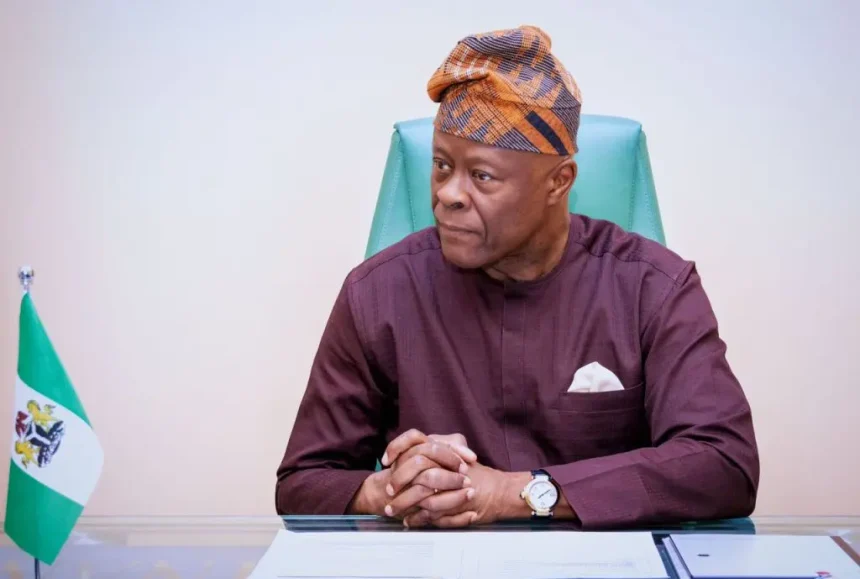
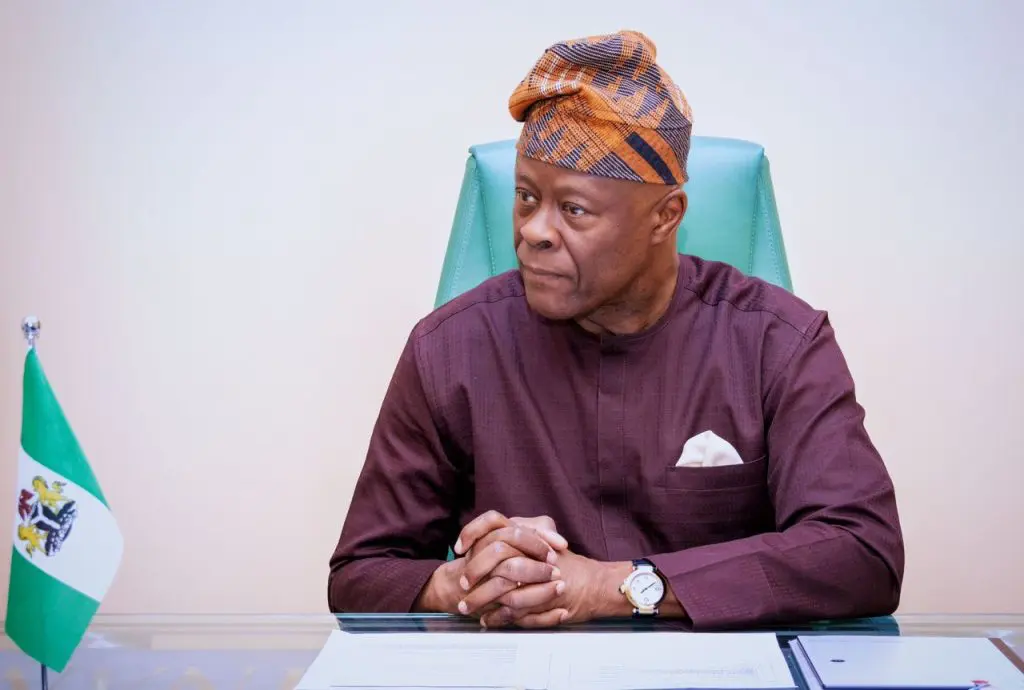
Finance Minister Wale Edun is expected to engage with global financial institutions, investors, and development partners during the meetings to strengthen Nigeria’s economic standing and attract investment.
These discussions will focus on reinforcing policy credibility and positioning the country as resilient despite global uncertainty.
Looking ahead, the government said its economic strategy will move beyond stabilisation toward expanding private sector investment, developing domestic capital markets, and promoting job creation.
It reiterated its commitment to maintaining macroeconomic stability, attracting investment for inclusive growth, and increasing support for human capital development and social protection.
FURTHER READING