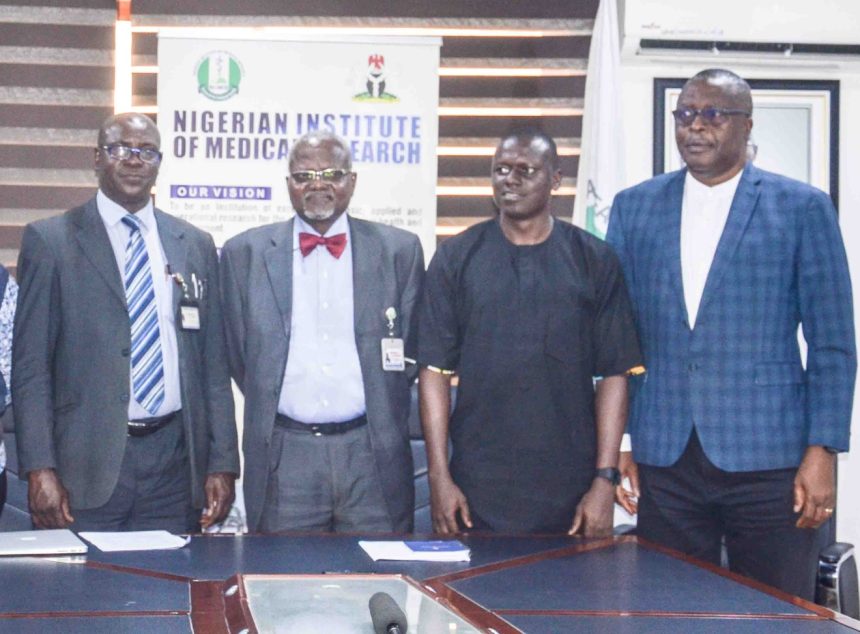
- The Nigerian Institute of Medical Research (NIMR) Revealed shocking data from safety and efficacy testing on 46 herbal supplements.
- Lead researcher at CRTCAM states that all 46 herbal medicine tested within NIMR’s facility failed efficacy proof.
- NIMR’s DG – Prof. Oladapo Obafunwa calls for caution in the use of local herbs and supplements to prevent deadly health implications.
The Centre for Research in Traditional, Complementary and Alternative Medicine (CRTCAM) at the Nigerian Institute of Medical Research (NIMR) outlined six years of progress in a Media Chat on Tuesday, September 30.

Dr. Oluwagbemiga Olanrewaju Aina, Deputy Director of Research in the Biochemistry and Nutrition Department at NIMR and an Associate Professor of Pharmacology at Eko University of Medicine and Health Science, led the briefing.
EDITOR’S PICKS
- Lagos Defends Demolition of Illegal Structures at Trade Fair Complex, Denies Ethnic Bias
- EFCC Arraigns Woman Over ₦240.5m Fraud In Abuja
- Lagos 2027: Jandor Boasts of Experience, Dismisses Advantage of Seyi Tinubu, Ambode, Others

He stressed a growing concern over many Nigerian herbal products, stating that most herbal medicine have not undergone safety testing before public consumption, a trend that is against World Health Organization’s guidance on traditional medicines evaluation for safety and efficacy.
Dr. Oluwagbemiga explained the major focus of CRTCAM’s work, aimed at assessments of herbal medicines’ toxicity and efficacy test particularly on its acute, subacute, sub-chronic, chronic, and, in some cases, multigenerational timelines to determine potential adverse effects on organs and overall health.
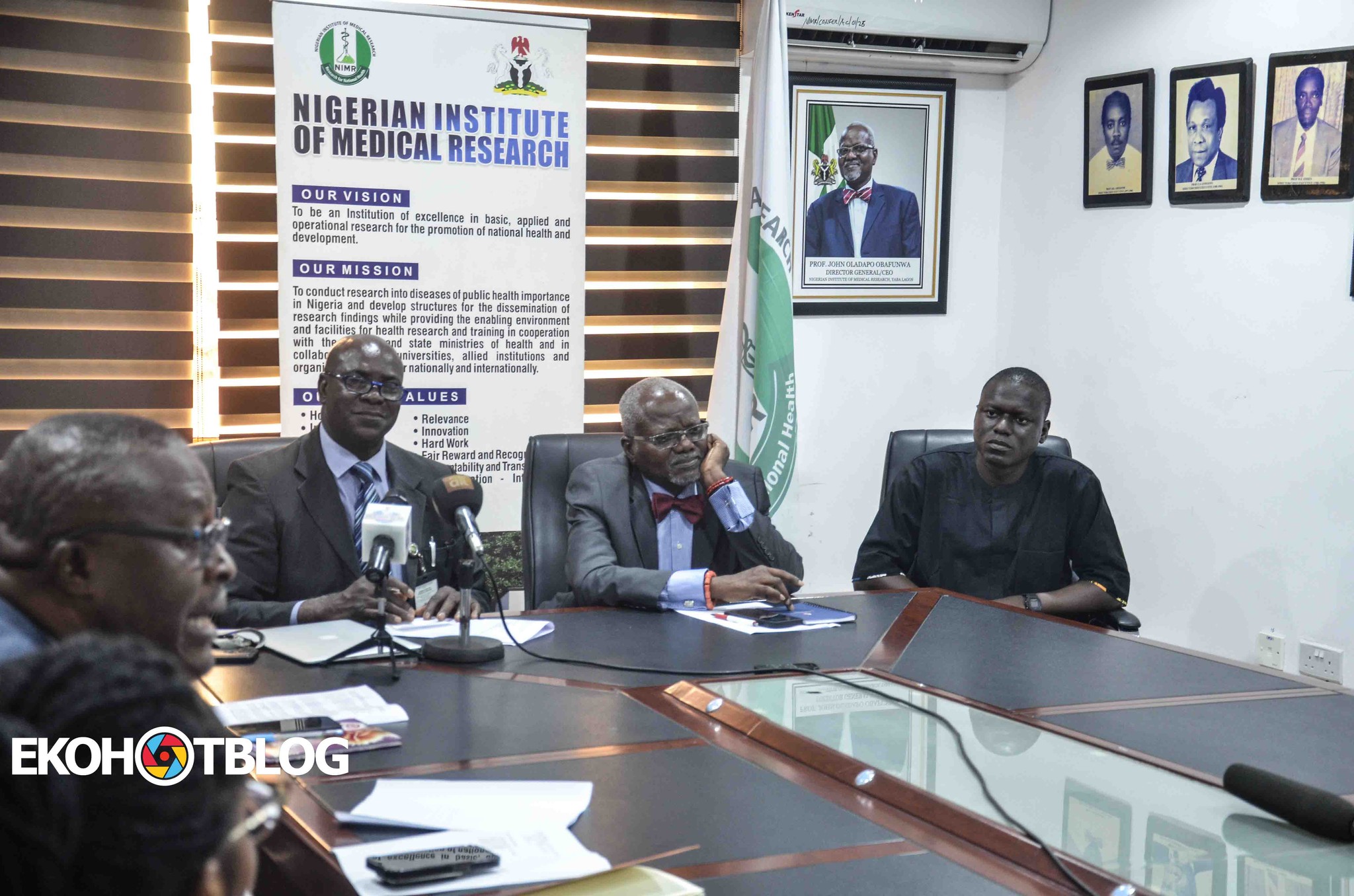
Over the past six years, the centre has evaluated 46 herbal products and plant extracts from Nigeria and other African countries, including herbal drugs, supplements, pain relievers, and anti-retroviral herbal formulations.
COVID-19 related products featured prominently, with Virucidine (ABUAD) among the anti-COVID-19 herbal offerings, as well as remedies targeting prostate cancer, benign prostatic hyperplasia, and arthritis.

Moreover, acute toxicity examples cited were Herbal Eye Medicine, multi-purpose medicated cream, bitters, Rheumatism Cure capsules, Herbal Impure Blood Cure capsules, and products targeting malaria, typhoid, and colon cleansing.
Additionally, five herbal products underwent subacute toxicity testing—a 28-day repeated-dose assessment to gauge long-term safety—covering COVID Organics Anti-COVID herbal tea, antiviral herb, Body Amender, among others.
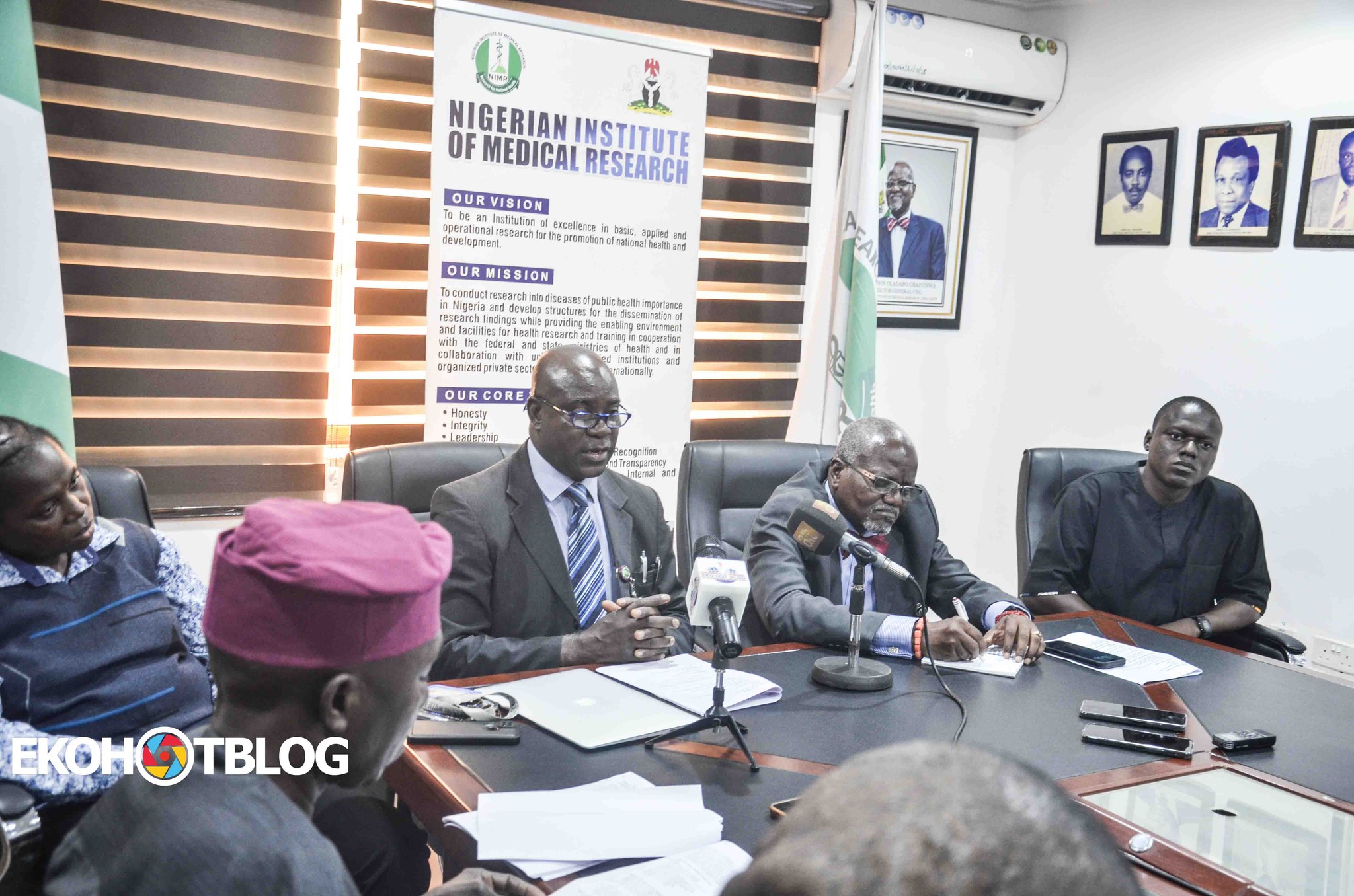
Furthermore, on efficacy, CRTCAM has conducted both preclinical and clinical investigations. In particular, preclinical efficacy trials included Tradomedical Medication, Bitters, and Timalin.
Clinical trials addressed several claims, including the efficacy of hydroxychloroquine and chloroquine phosphate for COVID-19 treatment in Nigeria, as well as formulations for prostate-related conditions and rheumatism.

Meanwhile, Dr. Aina highlighted CRTCAM’s role during the COVID-19 pandemic, noting safety assessments of COVID Organics and an open-label randomized controlled trial of hydroxychloroquine and chloroquine phosphate.
FURTHER READING
- Funke Akindele Fires Back at Troll Over “Yellow and Black” Nylon Bag
- NRC Uses MD Opeifa Ride to Restore Passenger Confidence after Abuja-Kaduna Train Accident
- Atiku Denies Reports of Stepping Down, Vows to Remain in Presidential Race
Immunological work involved eliciting an immune response against the SARS-CoV-2 spike protein in rabbits at NIMR.
However, the centre faces significant hurdles. Inadequate laboratory equipment, limited standard animal housing facilities, and insufficient funding constrain ongoing and expanded research.

In response, CRTCAM has emphasized capacity building, training more than 500 IT students, 150 project students (B.Sc. and HND), 50 interns, and eight Ph.D. candidates.
Ultimately, the briefing signals a concerted effort to bring Nigerian traditional medicines in line with global safety and efficacy standards while acknowledging infrastructure gaps that impede broader progress.
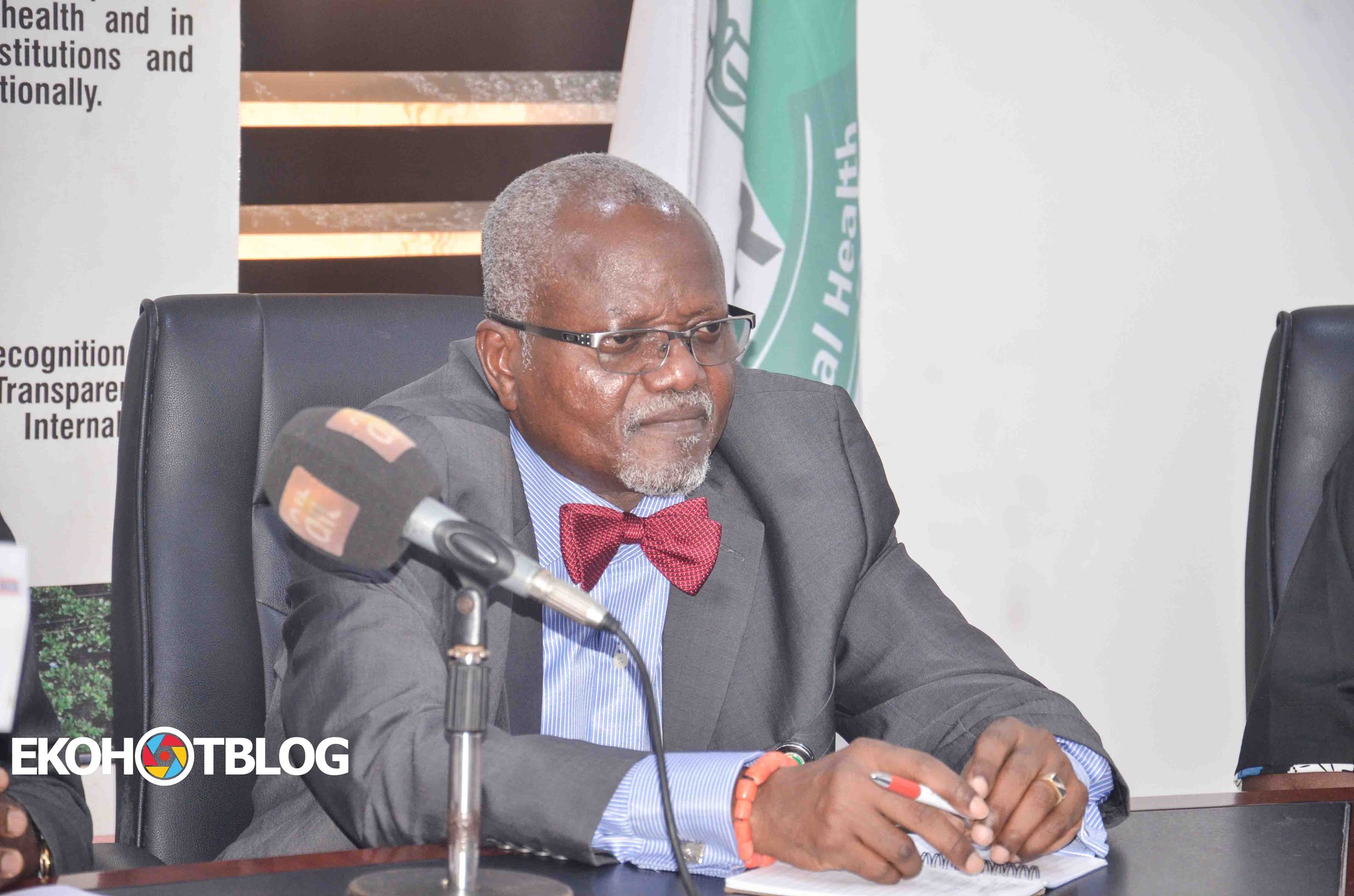
The Director General, Prof. John Oladapo Obafunwa, stressed the need for Nigerians to tread with caution in their intake of unverified, untested and unapproved herbal medicines to prevent serious health complications in future.
Click HERE to watch our video of the week: