
- Renowned Yoruba Isese custodian Abiola Rosanwo has publicly rebuked Nollywood actress and filmmaker Yetunde Barnabas for portraying revered deities Yemoja and Olokun as fish-like, mythical mermaids in her new cinematic project.
- The controversy escalated after Barnabas altered her movie title from Yemoja to Olokun Mermaid following online copyright clashes, a structural change that traditionalists argue exposes a deep ignorance of distinct spiritual lineages within Yoruba culture.
- The Molokun sect and traditional leadership have filed formal complaints with regulatory bodies, including the National Film and Video Censors Board (NFVCB) and TAMPAN, prompting a swift intervention to review the film before its release.
The delicate intersection of artistic expression and the preservation of sacred indigenous tradition has sparked a major cultural dispute within the Nollywood industry.
Eko Hot Blog reports that prominent traditionalist and custodian of Yoruba Isese legacy, Abiola Rosanwo, has openly criticized popular actress, model, and filmmaker Yetunde Barnabas over the thematic content and visual representation of her highly anticipated cinematic project, Olokun Mermaid.
EDITOR’S PICK
- Hamzat Appoints Obanikoro as Campaign DG Ahead of 2027 Lagos Governorship Race
- Tinubu’s State Police Plan Gains Momentum as Amendment Looms
- Residents Raise Alarm After Two Bodies Found in Lagos Waterway
Rosanwo, who holds the prestigious title of Yeye Owonrin Ojose Isara Remo, insists that the filmmaker’s project heavily distores and misrepresents ancient spiritual truths by reducing divine Yoruba entities into westernized, half-human and half-fish folklore figures.
The core of the dispute stems from a sudden post-production change orchestrated by Barnabas.
The actress originally developed and shot the movie under the title Yemoja.
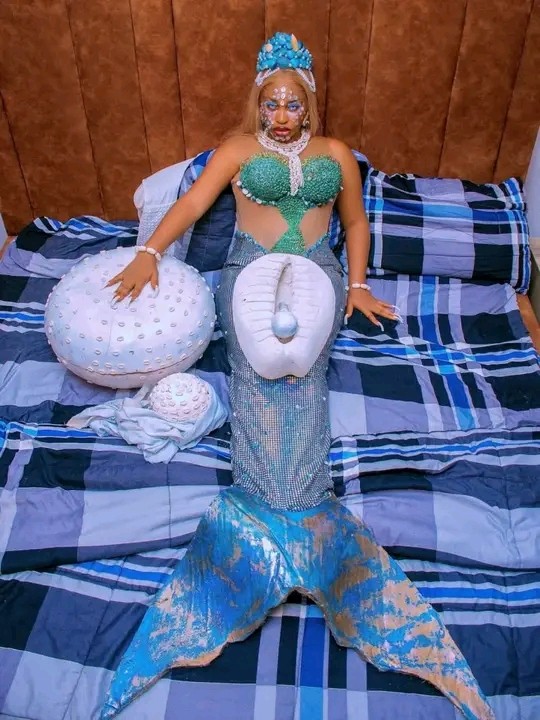
However, after discovering that unauthorized YouTube channels were actively using promotional stills of her production to market external projects under the same name, she made the decision to change the official title to Olokun Mermaid.
This creative pivot immediately drew severe backlash from Isese practitioners who argue that the title change conflates two entirely separate spiritual systems.
Rosanwo questioned the logic behind the decision, stressing that Yemoja, Olokun, and Osun are highly distinct individual deities with unique identities, iconographies, and historical contexts that cannot be interchanged for commercial convenience.
“Our Irúnmọlẹ̀ are not mythical half-human, half-fish creatures. They are sacred divine beings. Those who later became Òrìṣà walked the earth as complete human beings before their transition. To replace that heritage with foreign imagery is to misinform the public and dishonour our cultural and spiritual legacy.” — Abiola Rosanwo, Yeye Owonrin Ojose Isara Remo
In her public critique, Rosanwo strongly condemned the persistent Nollywood trend of reducing ancient Yoruba deities to “Mammy Water” tropes, stating that such portrayals erase the true historical nature of the Irúnmọlẹ̀.
She clarified that in authentic Yoruba Isese lore, Olokun is recognized as a revered male deity, making the “mermaid” label biologically and spiritually inaccurate.
Seeking to halt the spread of what she characterizes as cultural misinformation, members of the Molokun sect across Ijebuland and other key regions of Yorubaland officially reported the production to the National Film and Video Censors Board (NFVCB) and the Theatre Arts and Motion Pictures Practitioners Association of Nigeria (TAMPAN).
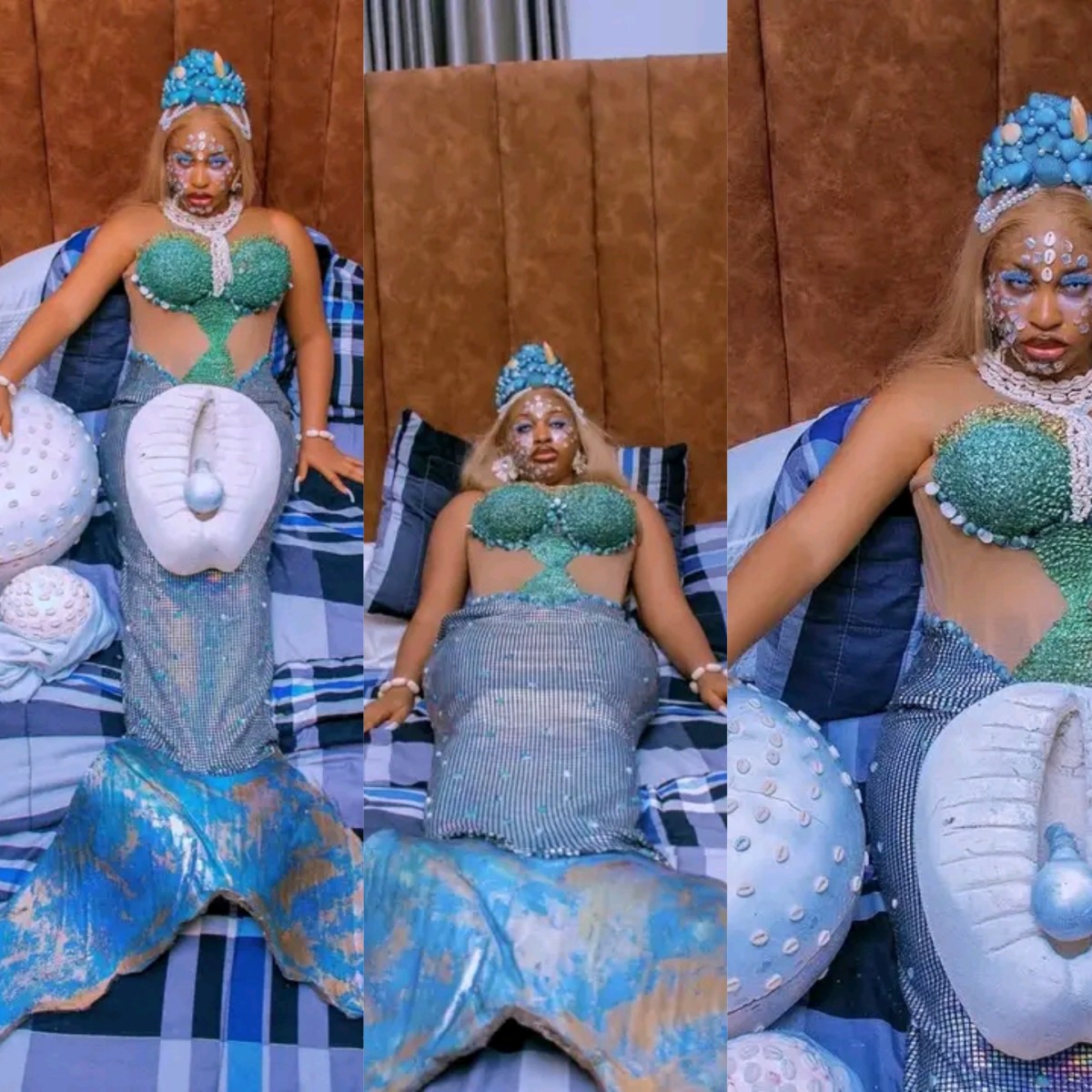
In an open statement addressed to regulatory officials, stakeholders, and moviegoers, the cultural custodian clarified that her push for intervention is not born out of a desire to censor artistic creativity or stifle theatrical freedom, but rather from a profound duty to safeguard the integrity of indigenous African spirituality.
Giving an update on the developing situation, Rosanwo expressed profound gratitude to the executive leadership of the NFVCB and the Remo Zone division of TAMPAN in Ogun State for their swift responses to the community’s petition.
The formal intervention has established an active dialogue between the regulators and the production team, fostering hope that the clash will establish a stronger future precedent where contemporary filmmakers actively consult with recognized traditional repositories before adapting sacred history for mass entertainment.