- Global oil prices reached a four-year high on Thursday following warnings from U.S. President Donald Trump that a naval blockade of Iranian ports could last for months.
- Although Tehran proposed reopening the Strait of Hormuz, the U.S. administration reportedly viewed the offer as a bad-faith negotiation, leading to continued tension.
- Global stock markets largely retreated as investors weighed the impact of expensive energy on the real economy, despite a minor boost in tech sectors driven by artificial intelligence gains.
- The crisis influenced a split vote within the Federal Reserve to hold interest rates steady, marking the final meeting under Jerome Powell before Kevin Warsh takes over next month.
The global energy markets were thrown into fresh volatility as crude oil prices surged to levels not seen since the 2022 invasion of Ukraine.
Eko Hot Blog reports that the spike followed reports that President Donald Trump has instructed national security officials to prepare for a prolonged blockade aimed at forcing Iran to abandon its nuclear program.
EDITOR’S PICKS
- JAMB Delists 23 CBT Centres, Warns 89 After Mock UTME Review
- NASA Astronauts Return to Earth After First Human Trip to the Moon in 50 Years
- INEC Shifts Nationwide Voter Revalidation Until After 2027 General Election
On Truth Social, the president adopted a defiant stance, posting an illustration of himself with the caption “NO MORE MR. NICE GUY!” and stating that the naval action would persist until a new nuclear deal is secured.
In a briefing with oil executives, White House officials discussed strategies to minimize the impact on American consumers while maintaining the blockade for as long as necessary.
Impact on Crude and Stocks
Brent North Sea Crude rose 2.9% to $121.48 a barrel, while West Texas Intermediate (WTI) climbed 1.9% to approximately $108.92.
Analysts warned that the closure of the Strait of Hormuz, a transit point for 20% of the world’s oil and gas, could have long-term consequences.
While stock markets in Tokyo, Hong Kong, and Shanghai slipped, the tech sector provided a rare bright spot.
Samsung Electronics reported a record 750% surge in operating profit due to high demand for AI chips, following strong earnings from Microsoft, Meta, and Alphabet.
However, analysts cautioned that the widening divide between high oil prices and stock performance may eventually bleed into the real economy, impacting logistics and margins.
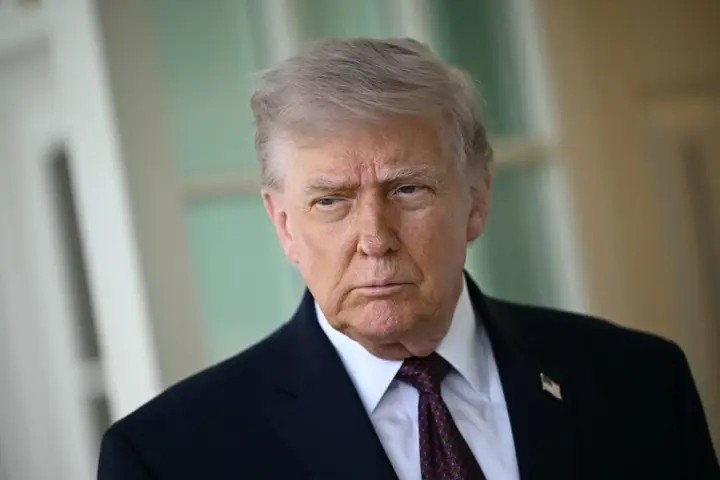
The Federal Reserve voted to hold interest rates steady amid fears of energy-driven inflation.
The meeting was notable for having four dissenting members, the highest number since 1992 ,and served as Jerome Powell’s final session as chair.
His successor, Kevin Warsh, is expected to take over next month, following a second term where Trump frequently criticized Powell for his handling of borrowing costs.