- Trump warned that the United States could launch swift military action if Iran fails to reach an agreement by the stated deadline
- Market analysts say the initial spike in prices reflects concerns that a resolution may not come quickly
- shipping costs have surged due to higher insurance premiums and increased competition for limited access
Global oil prices have shown volatility as markets react to rising tensions surrounding the Strait of Hormuz and a looming deadline issued by Donald Trump for Iran to reopen the critical waterway.
Eko Hot Blog gathered that Brent crude, the international oil benchmark, briefly climbed above $111 per barrel in early trading on Tuesday before easing to around $109, reflecting uncertainty among investors.
EDITOR’S PICK
- Easter Celebration: Sanwo-Olu Encourages Love, Sacrifice, Coexistence
- Enough Is Enough Defend Yourselves’ – CAN Urges Northern Christians
- NLC Orders Street Protests Over Minimum Wage
The fluctuations come as Trump warned that the United States could launch swift military action if Iran fails to reach an agreement by the stated deadline.
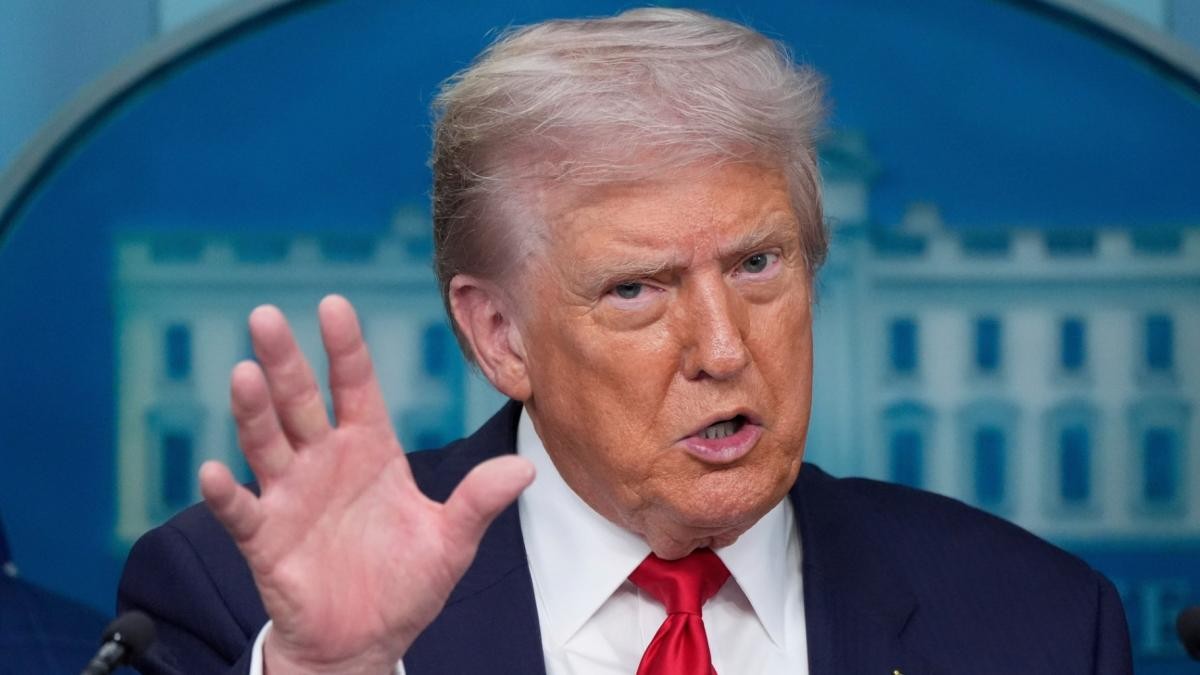
While he expressed some confidence that negotiations were ongoing, he acknowledged that the situation remains unpredictable.
The Strait of Hormuz, a vital route for global energy supply, has seen major disruptions as Iran threatens to target vessels passing through in response to ongoing U.S. and Israeli airstrikes. The standoff has significantly reduced the flow of oil and gas from the region.
Tehran has rejected calls for a temporary ceasefire, insisting instead on a permanent end to hostilities and the removal of sanctions.
Market analysts say the initial spike in prices reflects concerns that a resolution may not come quickly, raising the possibility of a prolonged conflict.
There is also uncertainty over whether Washington is genuinely seeking a diplomatic outcome or preparing for further escalation.
Experts note that even if tensions ease, the impact on global energy supply may take time to stabilise. Restarting disrupted facilities and restoring supply chains, particularly for liquefied natural gas, could take several months.
Some Asian nations, heavily dependent on Middle Eastern energy, have reportedly reached arrangements with Iran to allow their vessels to pass through the strait.
However, shipping costs have surged due to higher insurance premiums and increased competition for limited access.
The ongoing disruption has heightened fears of rising inflation worldwide, with financial leaders warning that sustained instability in energy markets could push interest rates higher.
The Strait of Hormuz remains a crucial artery for global trade, handling roughly one-fifth of the world’s oil and gas shipments. Continued uncertainty in the region is therefore likely to have far-reaching economic consequences.
FURTHER READING