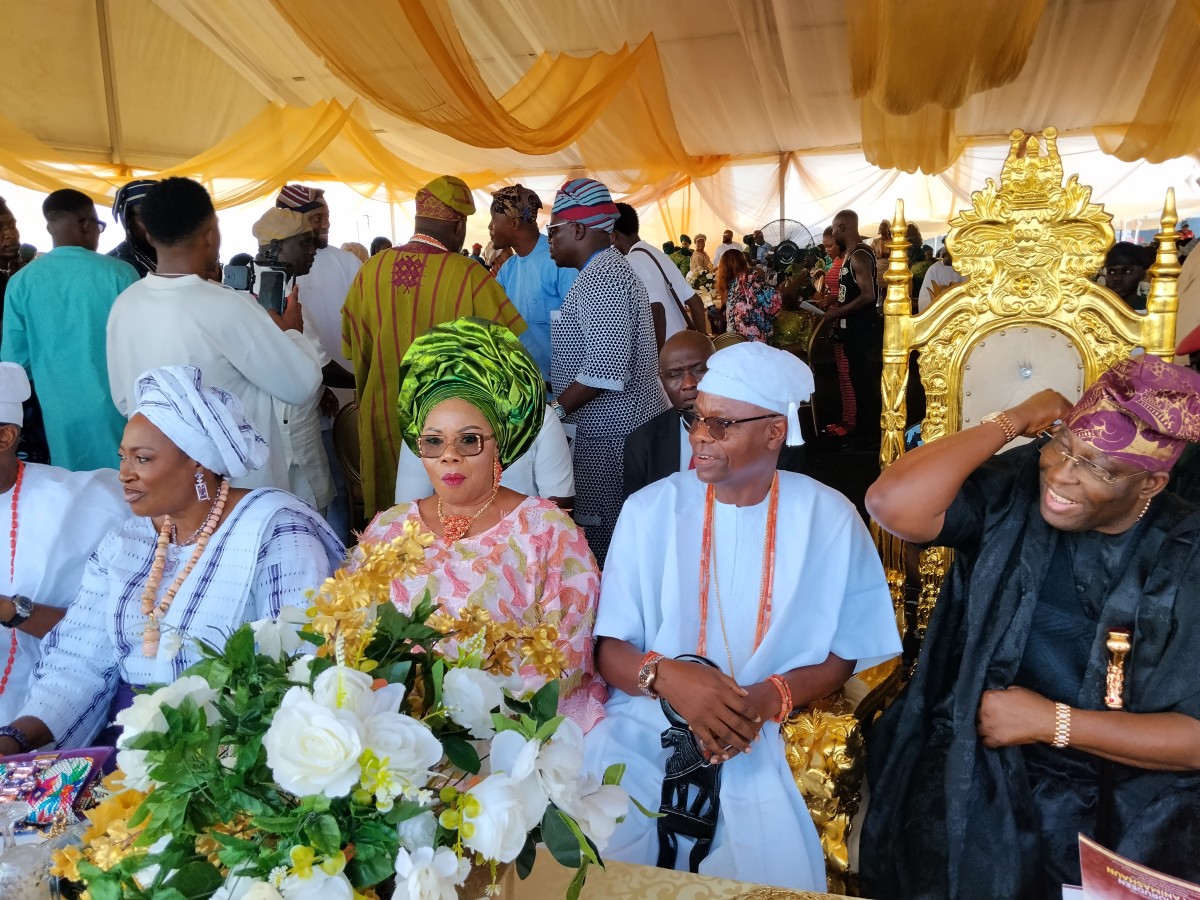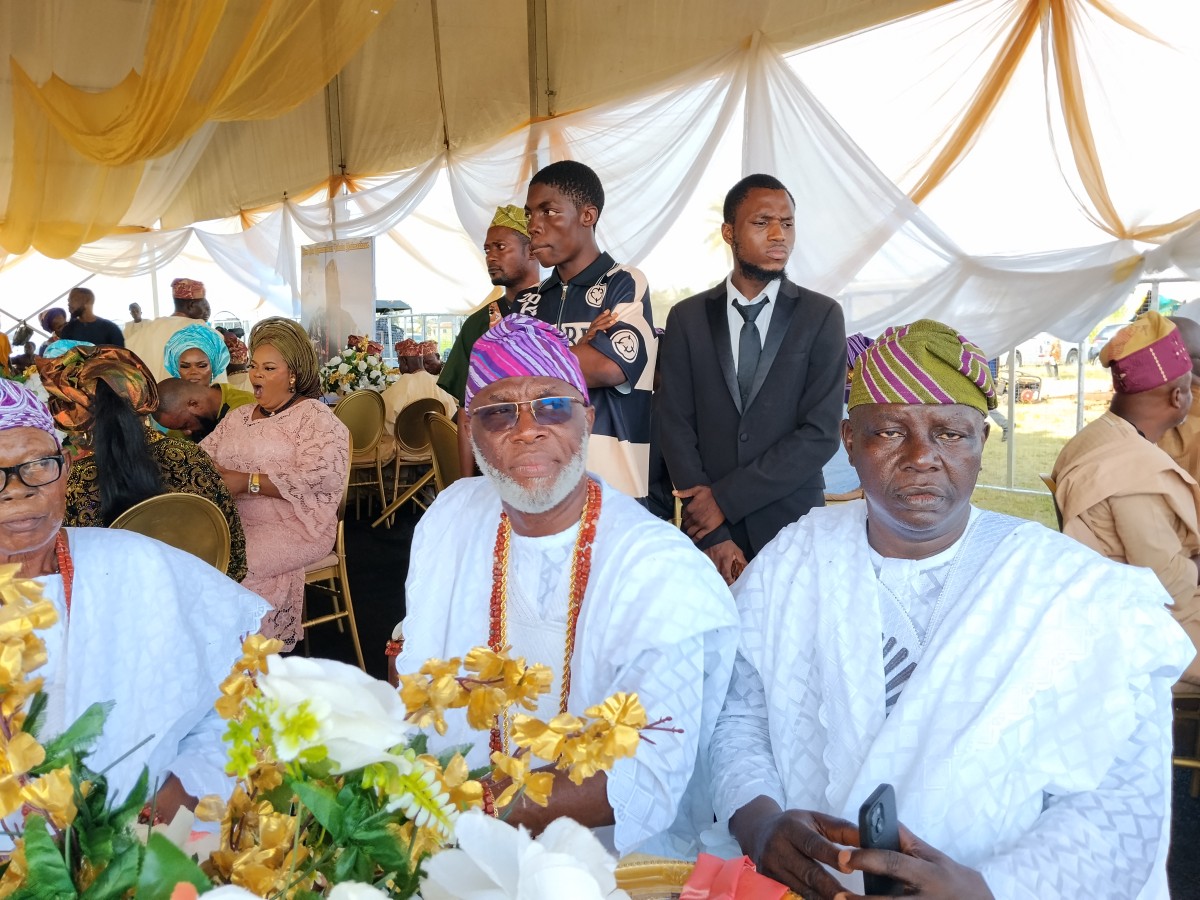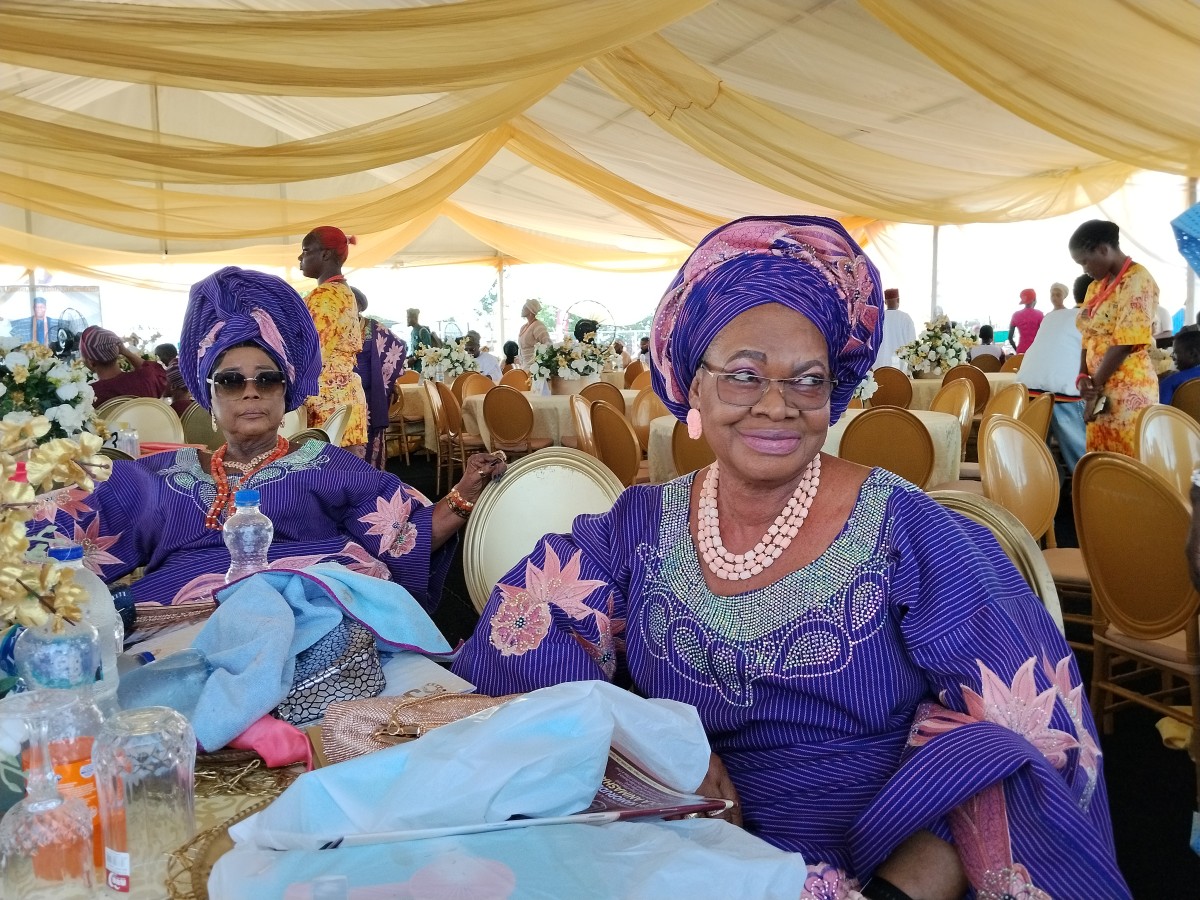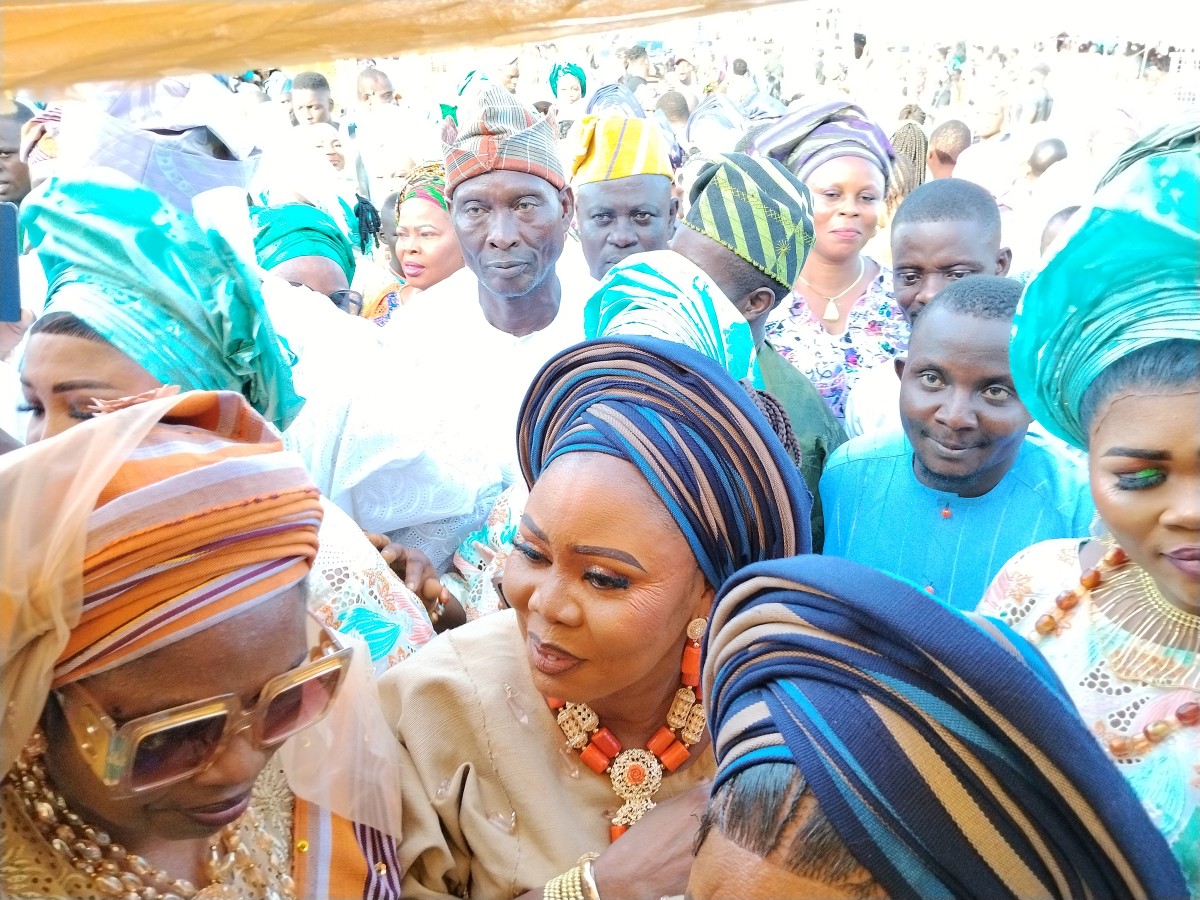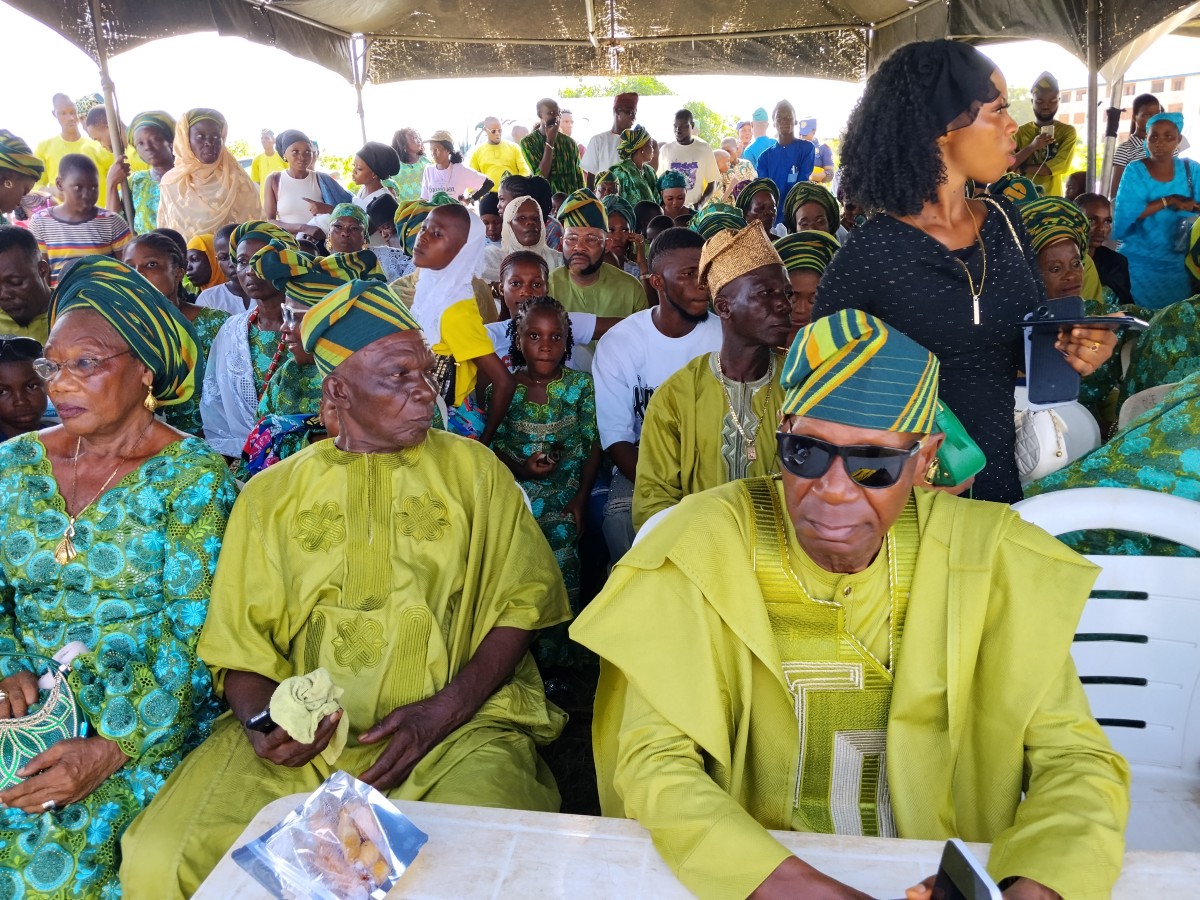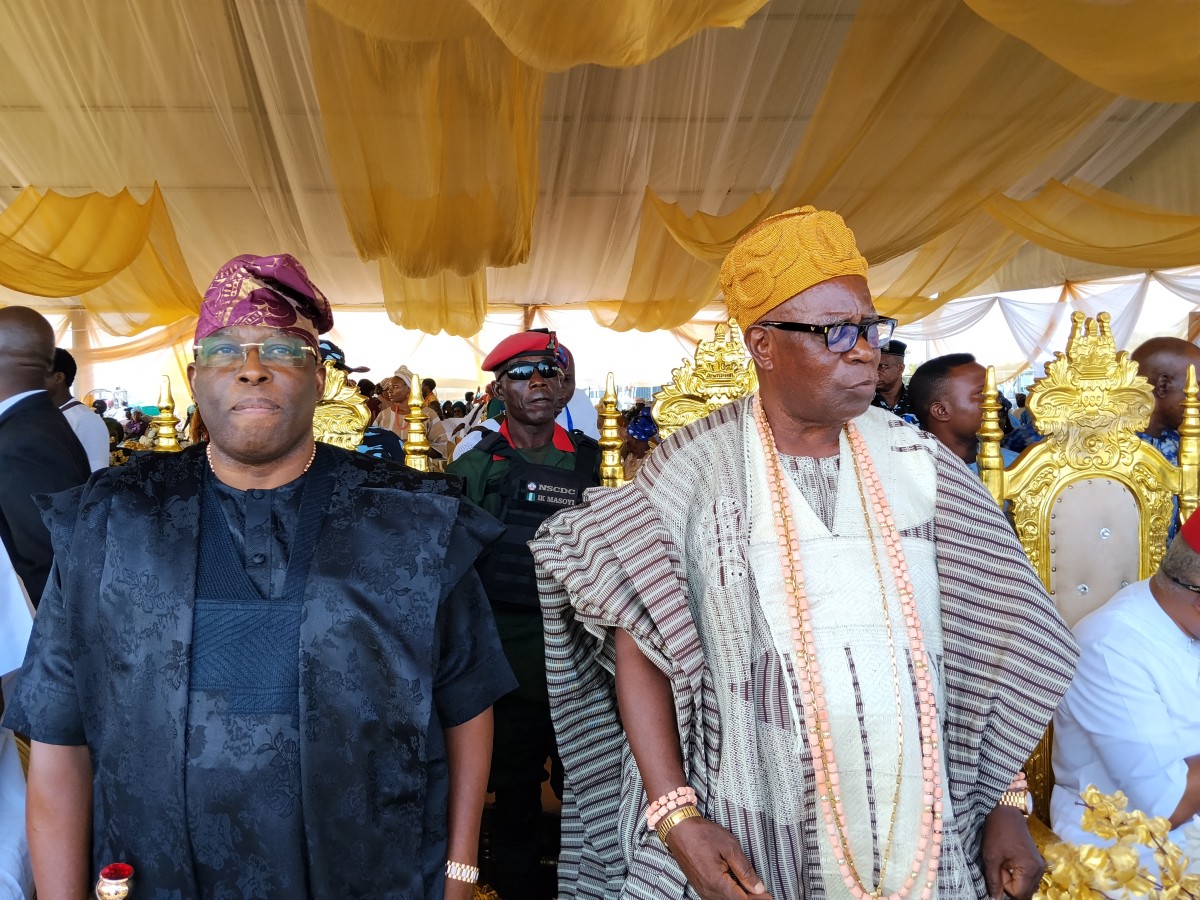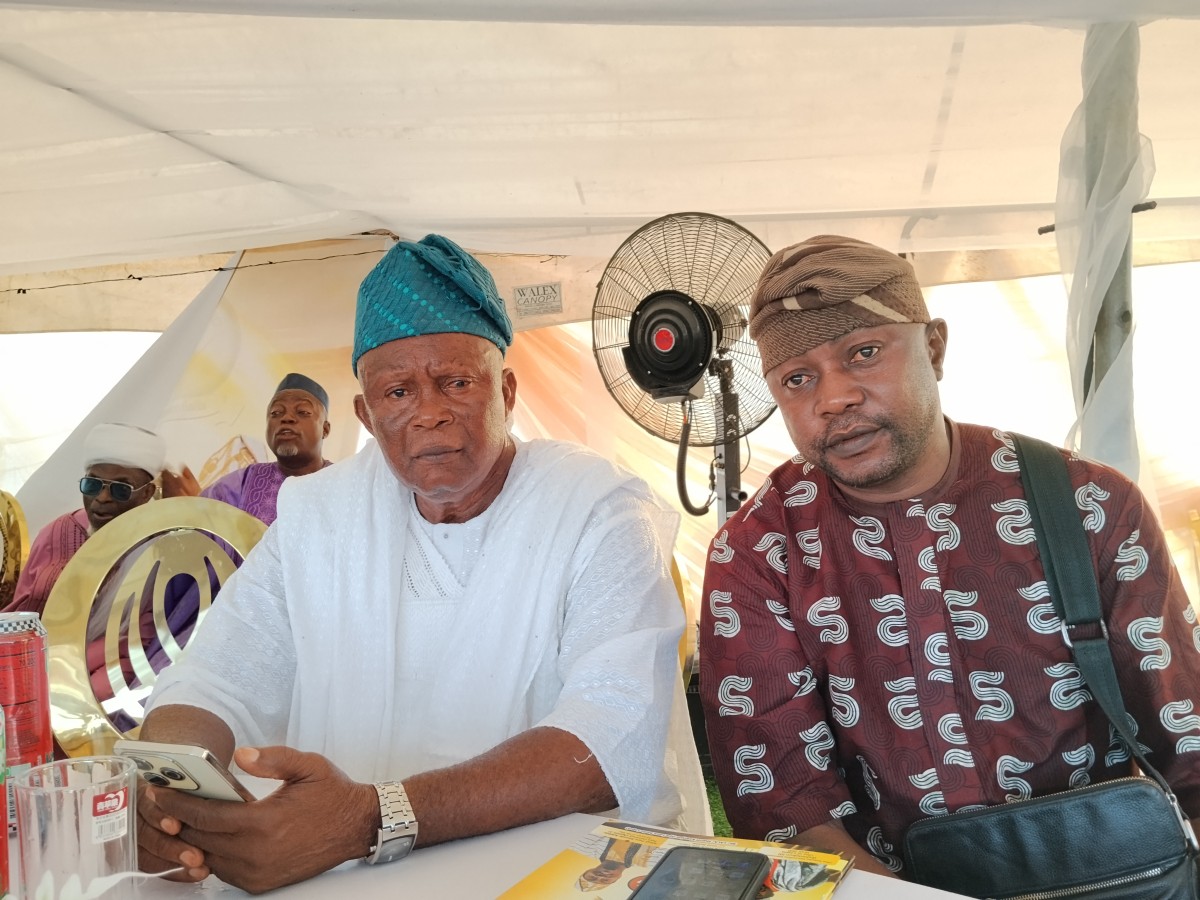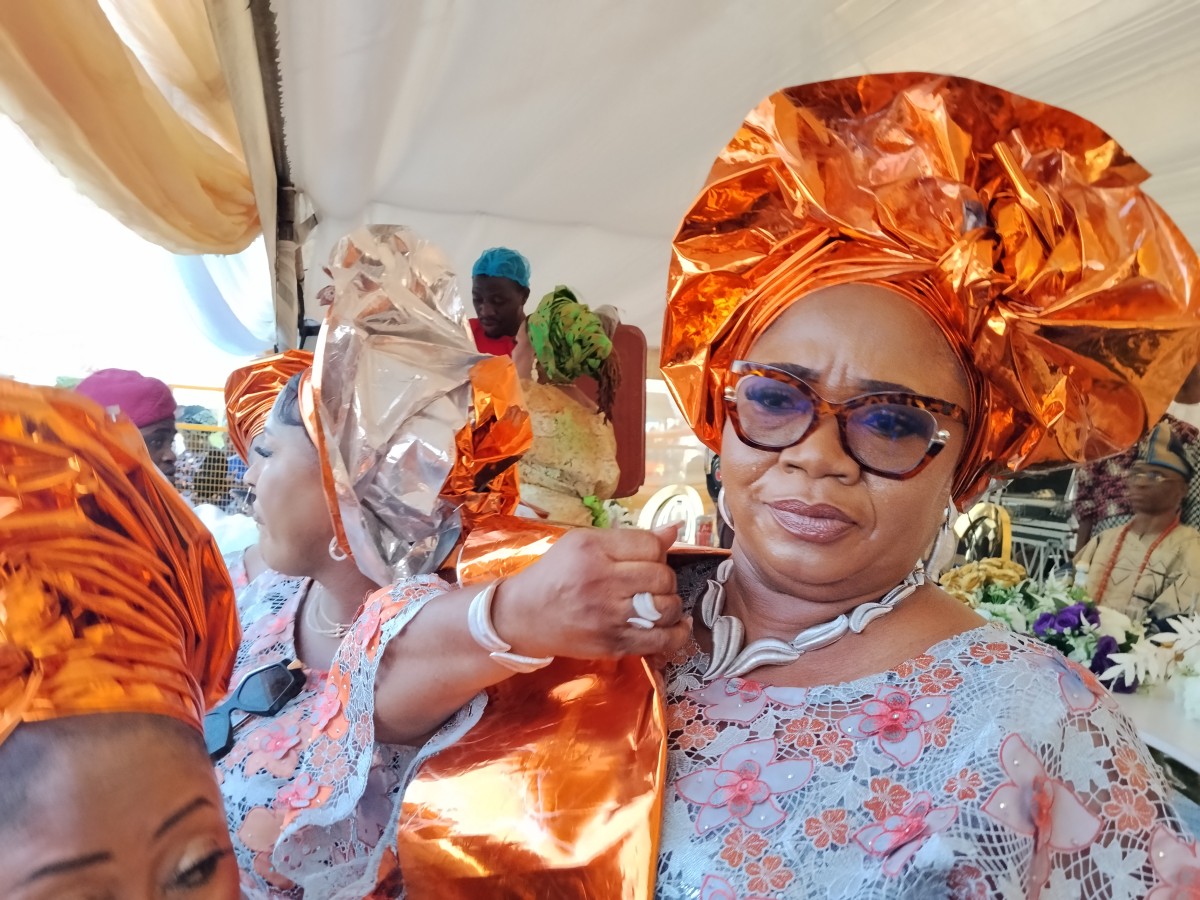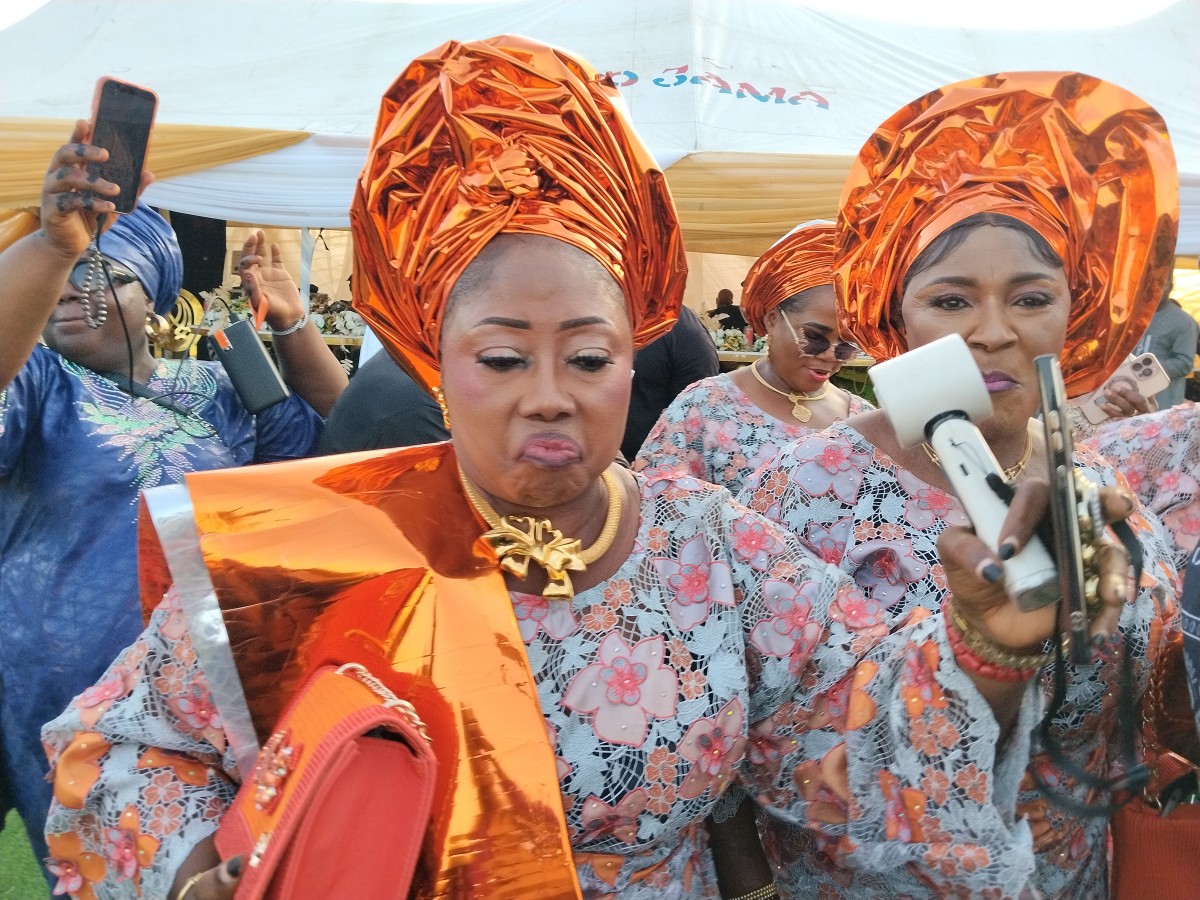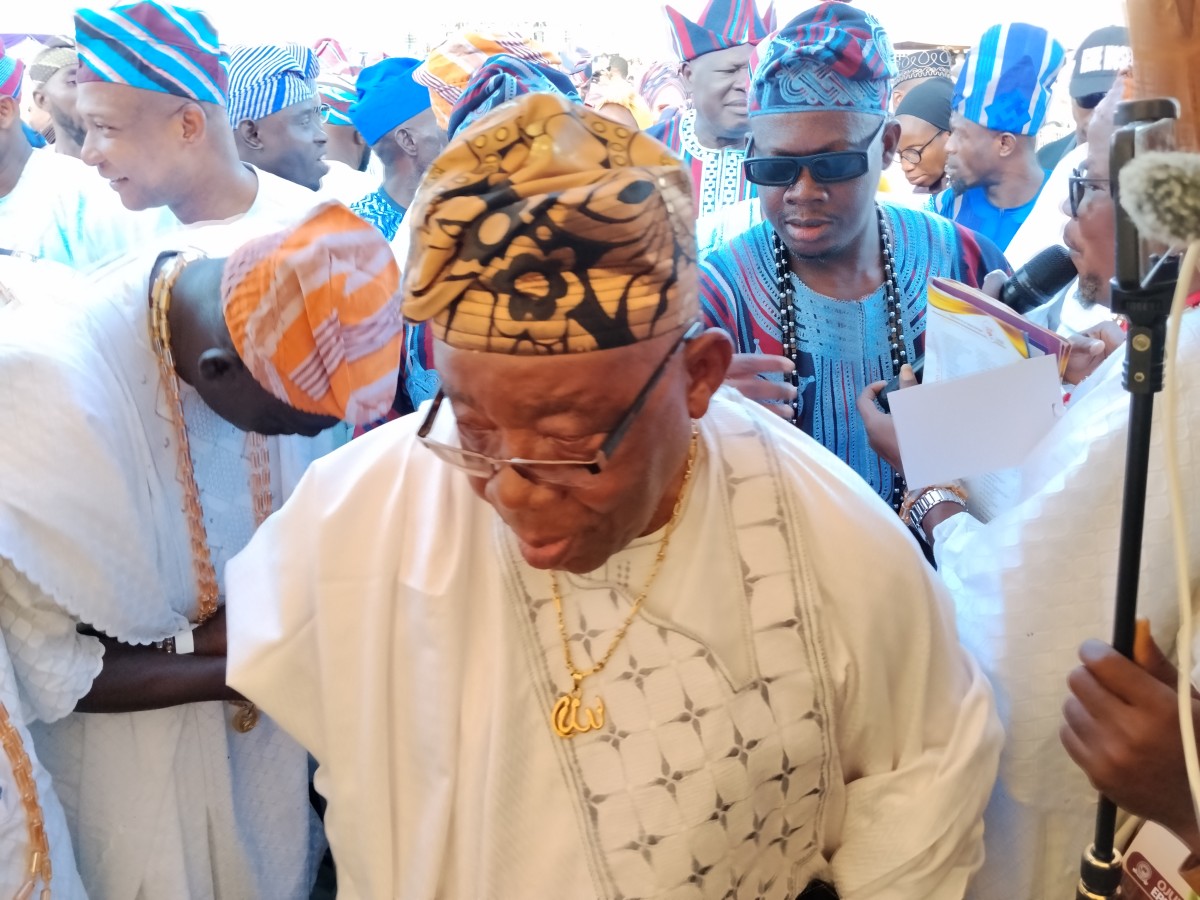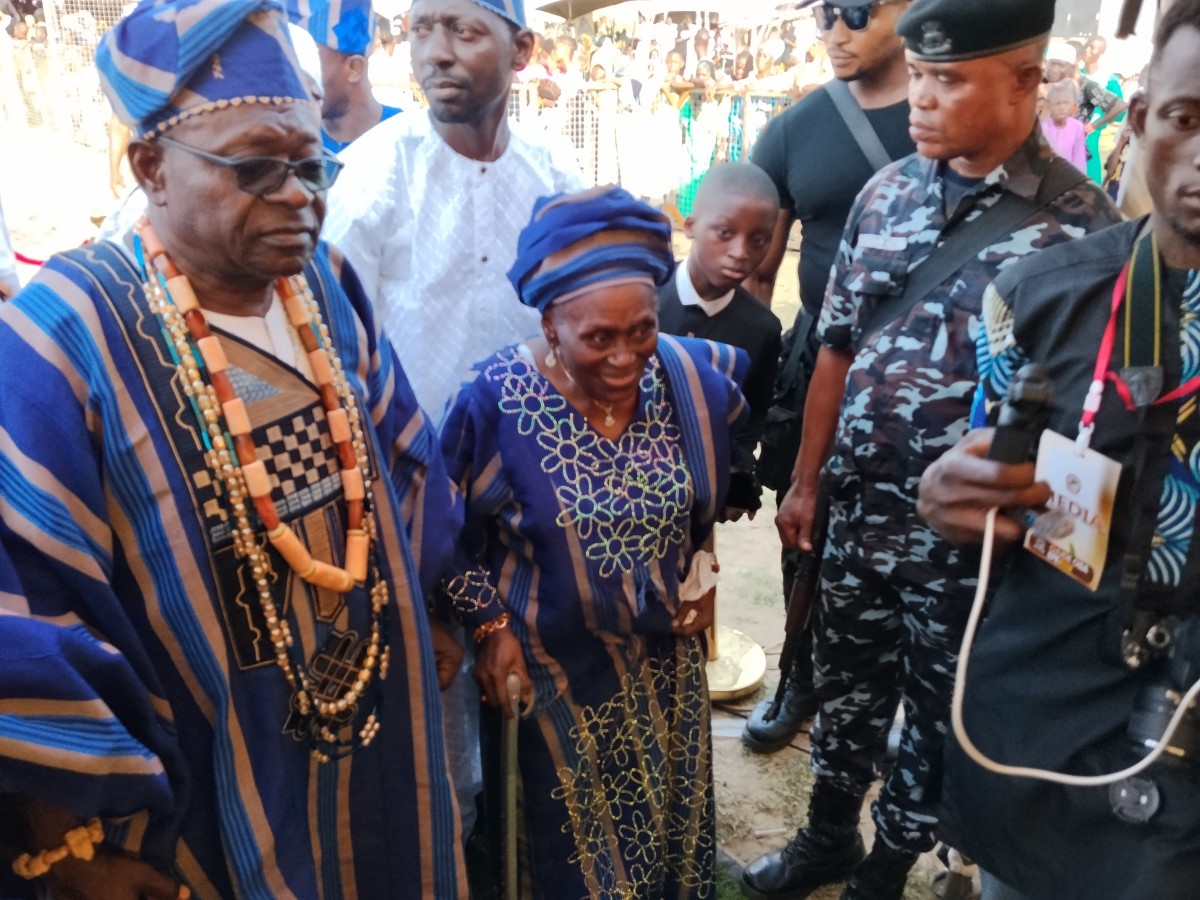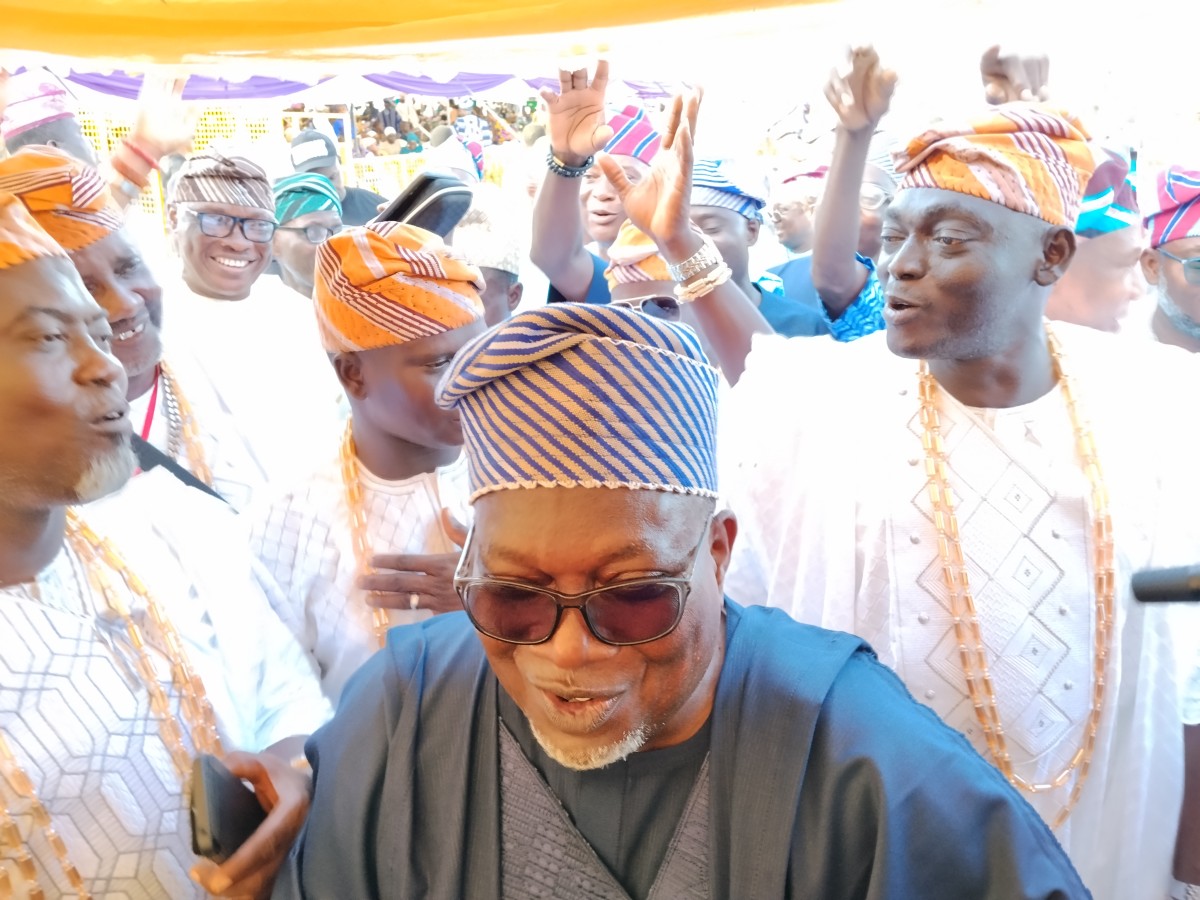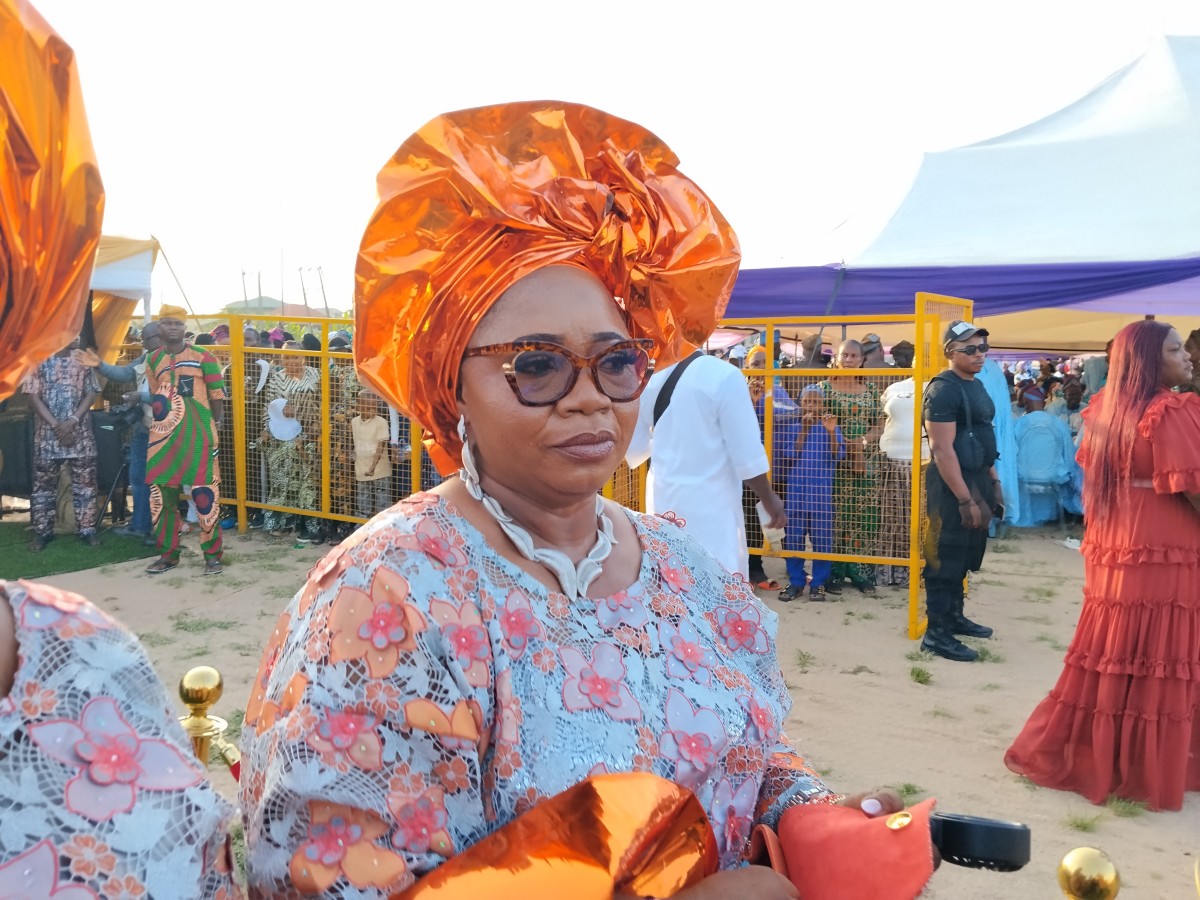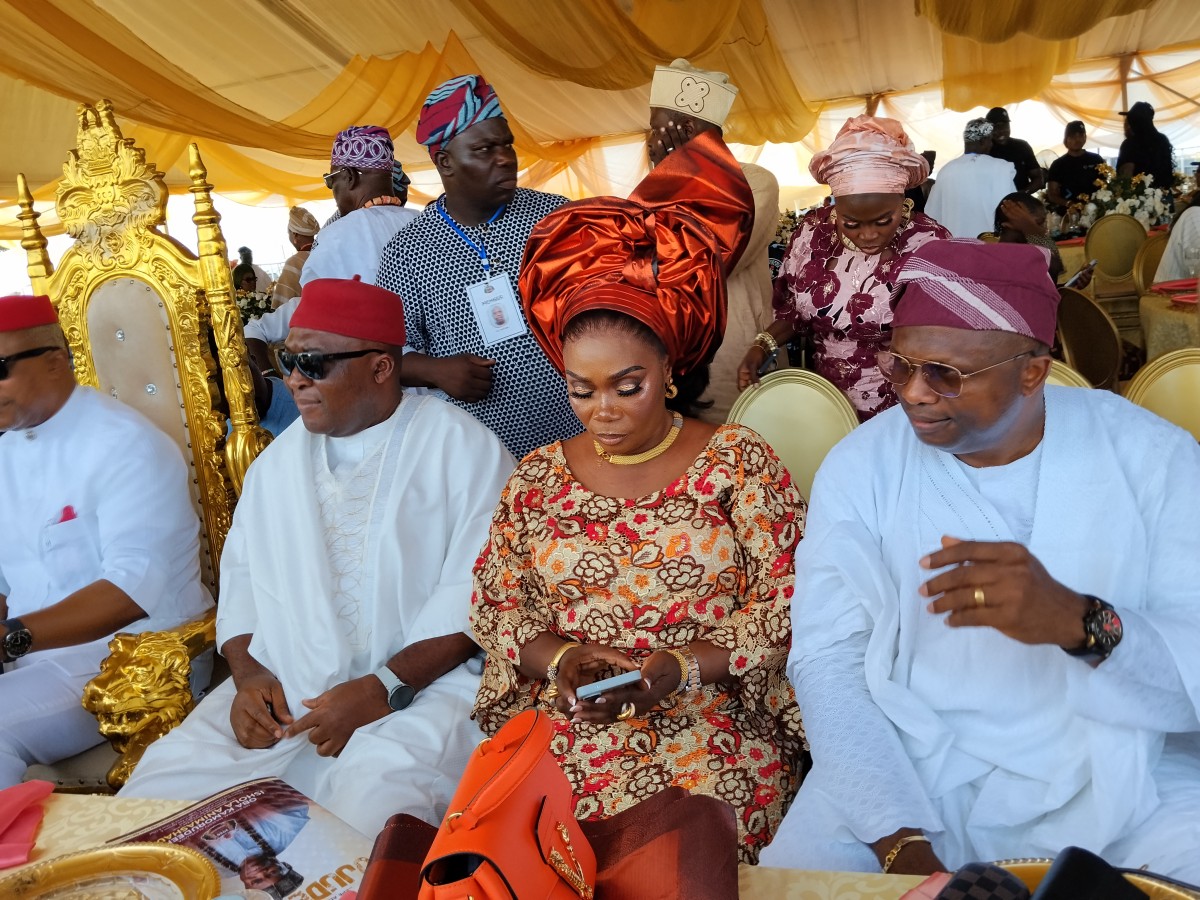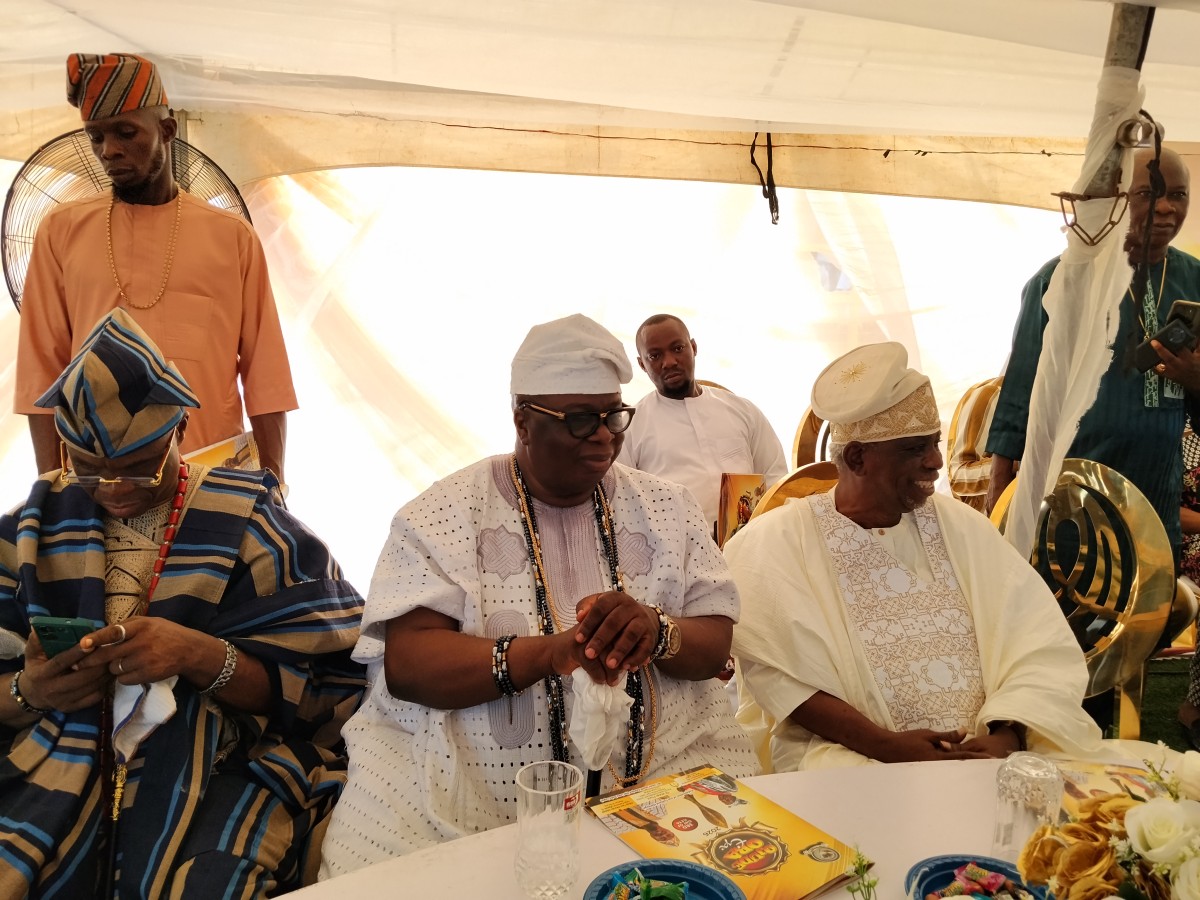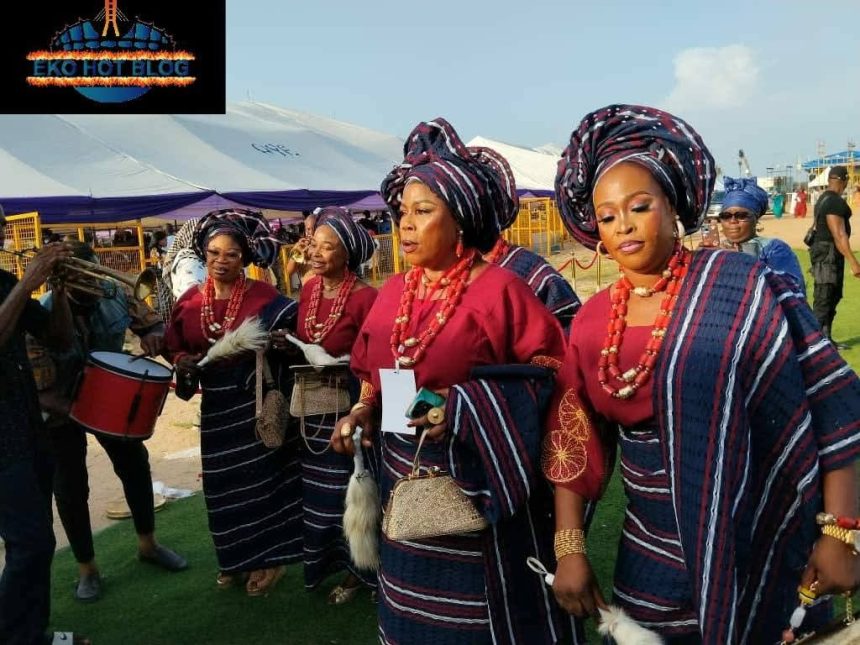
From the palaces of the Oloja of Epe Kingdom and the Olu of Epe Kingdom to the various family pavilions and gathering points, the atmosphere was filled with excitement, pride, and a deep appreciation for the customs and traditions that have shaped Epe for generations.
EDITOR’S PICK
- Be Your Brother’s Keeper to End Insecurity – Oba Akiolu
- Tinubu Accepts APC 2027 Presidential Ticket
- Why Godfatherism Still Thrives in Africa Despite Being a Political Curse
The event attracted sons and daughters of Epe from within Nigeria and across the diaspora, many of whom returned home specifically to participate in the annual celebration.
Dressed in colourful traditional attire, Regberegbe groups, age-grade associations, prominent families, social clubs, and community organizations turned out in large numbers to pay homage to the royal fathers and celebrate the rich cultural identity of Epe Land.
Beyond the glamour and colourful displays, the celebration served as a reminder of the values that bind the people together—unity, respect, communal development, and cultural preservation.
One of the recurring themes throughout the celebration was the importance of maintaining harmony among the people.
Community leaders, traditional stakeholders, and dignitaries emphasized that the continued progress of Epe depends on collective responsibility and peaceful coexistence.
The Executive Chairman of Epe Local Government, Hon. Princess Surah Olayemi Animashaun, described the celebration as a significant cultural platform that promotes love, unity, and harmony among residents, particularly during the Ileya festive season.
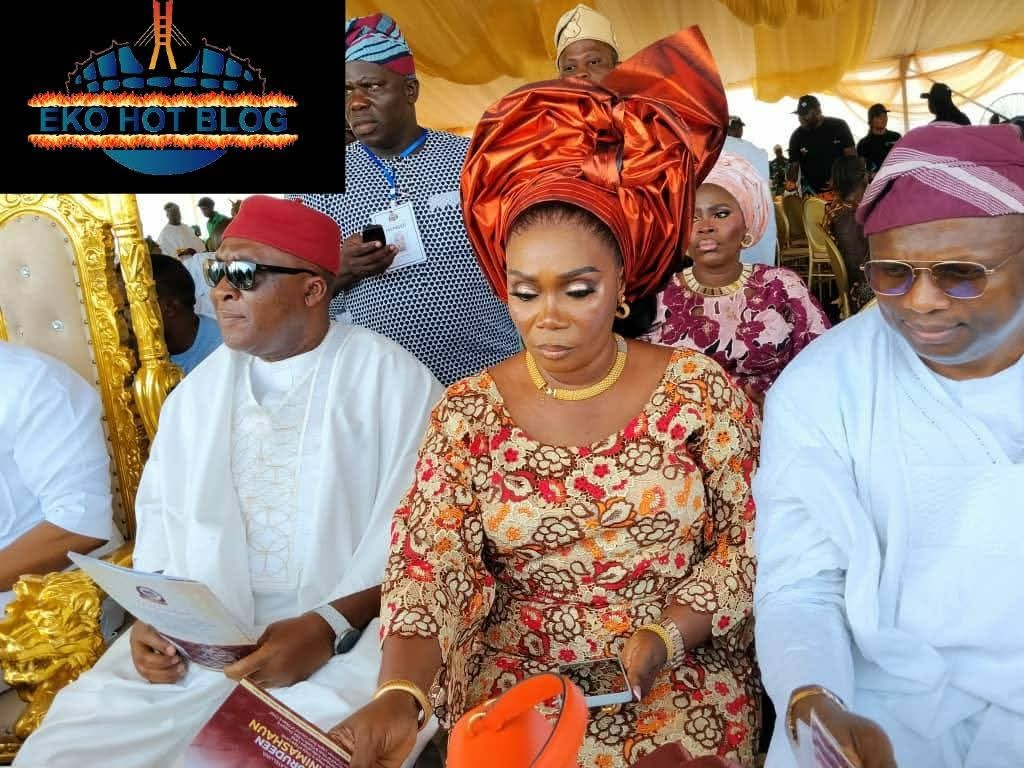
According to her, the gathering reflects the spirit of togetherness that has continued to distinguish Epe as a peaceful and progressive community.
Similarly, organisers of the festival noted that Ojúde Ọba has evolved beyond a ceremonial event into a cultural institution that has become an integral part of Epe’s identity.
The Chairman of the Planning Committee observed that the celebration is no longer just an annual event but a tradition that every son and daughter of Epe Kingdom eagerly anticipates.
He explained that the festival has become an important homecoming occasion where indigenes reconnect with their roots, strengthen family ties, and contribute ideas towards the development of the community.
The Chairman of the Occasion, Chief Abdulbaqi Idowu Ibishomi, also stressed the need for unity and collective progress.
He encouraged Epe indigenes living outside the community to remain connected to their heritage and participate actively in the development of their hometown.
Representing the Mother of the Day, Alhaja Funso Raji, Alhaja Alade Raji reflected on the historical journey of the celebration.
She noted that the event, which began many years ago as Ita Baale, has continued to grow in significance and grandeur, evolving into one of the foremost cultural festivals in Lagos State.
She urged younger generations to preserve the customs and traditions handed down by their forefathers and ensure that the cultural heritage of Epe is never lost.
The celebration also highlighted the role of notable families in preserving the history of the kingdom. Among them was the Alausa Family, whose members made a strong appearance at the event.
Family leaders emphasized the family’s enduring contributions to Epe’s growth and development while calling for greater unity, love, and harmony among residents.
For many participants, Ojúde Ọba remains more than a cultural festival. It is a reunion of families, a gathering of generations, and a celebration of a shared identity.
It provides an opportunity for people to honour their history, appreciate their present achievements, and renew their commitment to the future of Epe Kingdom.
As the drums faded and the colourful processions came to an end, one message remained clear: the people of Epe continue to value their heritage and remain determined to preserve it for generations yet unborn.
The 2026 Ojúde Ọba celebration was not merely an event; it was a powerful expression of the enduring spirit, unity, and cultural pride that define Epe Land.