- Otti also cautioned against over-reliance on short-term welfare programmes
- He criticised the culture of abandoning projects initiated by previous administrations
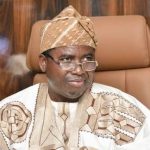
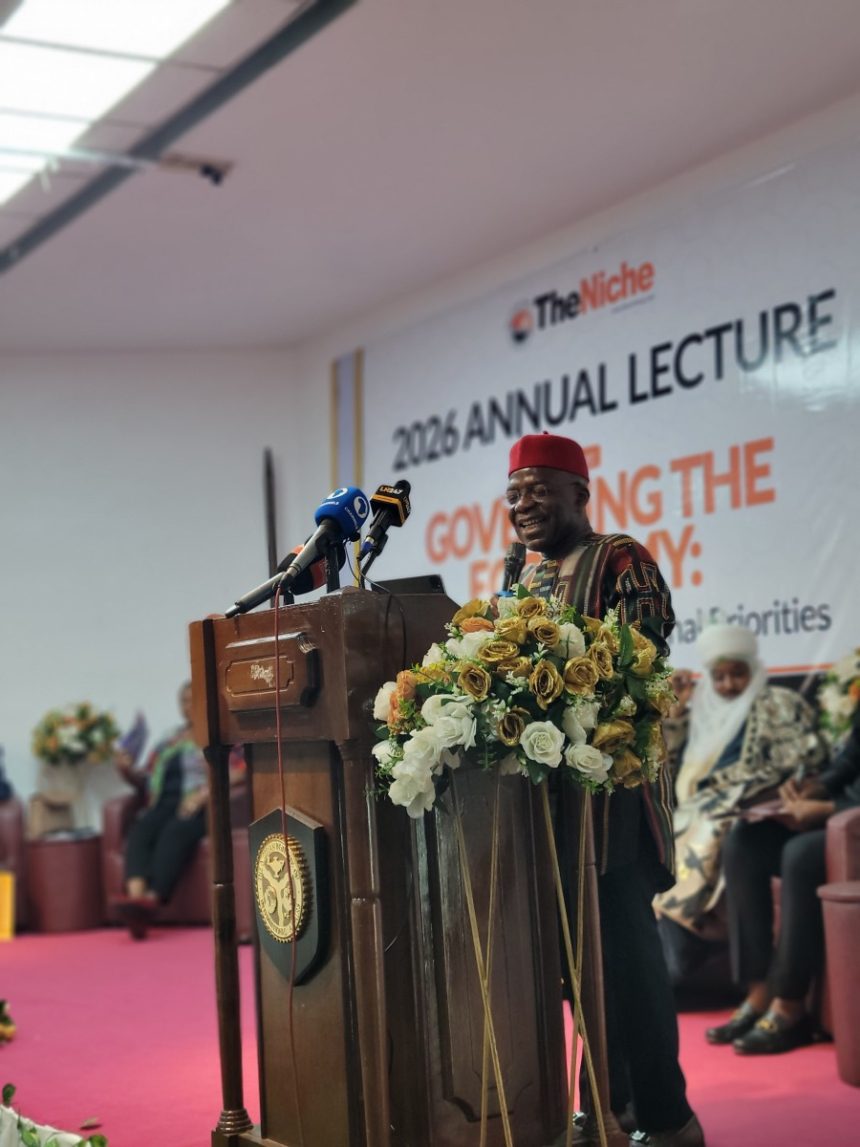
Governor of Abia State, Alex Otti, has emphasised that Nigeria’s path to economic recovery depends on bold policy decisions, improved governance, and strengthened security, warning that the country cannot rely on quick fixes to resolve decades of structural challenges.
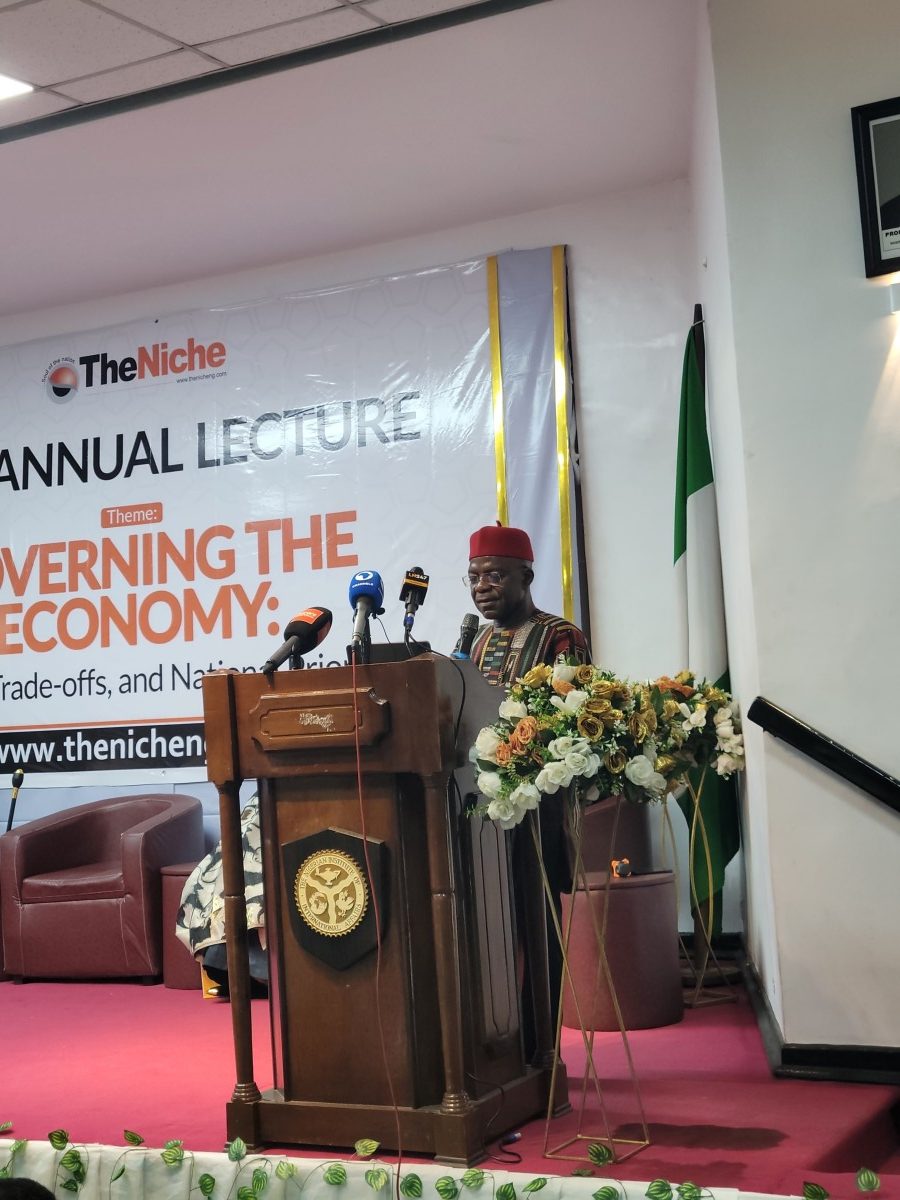
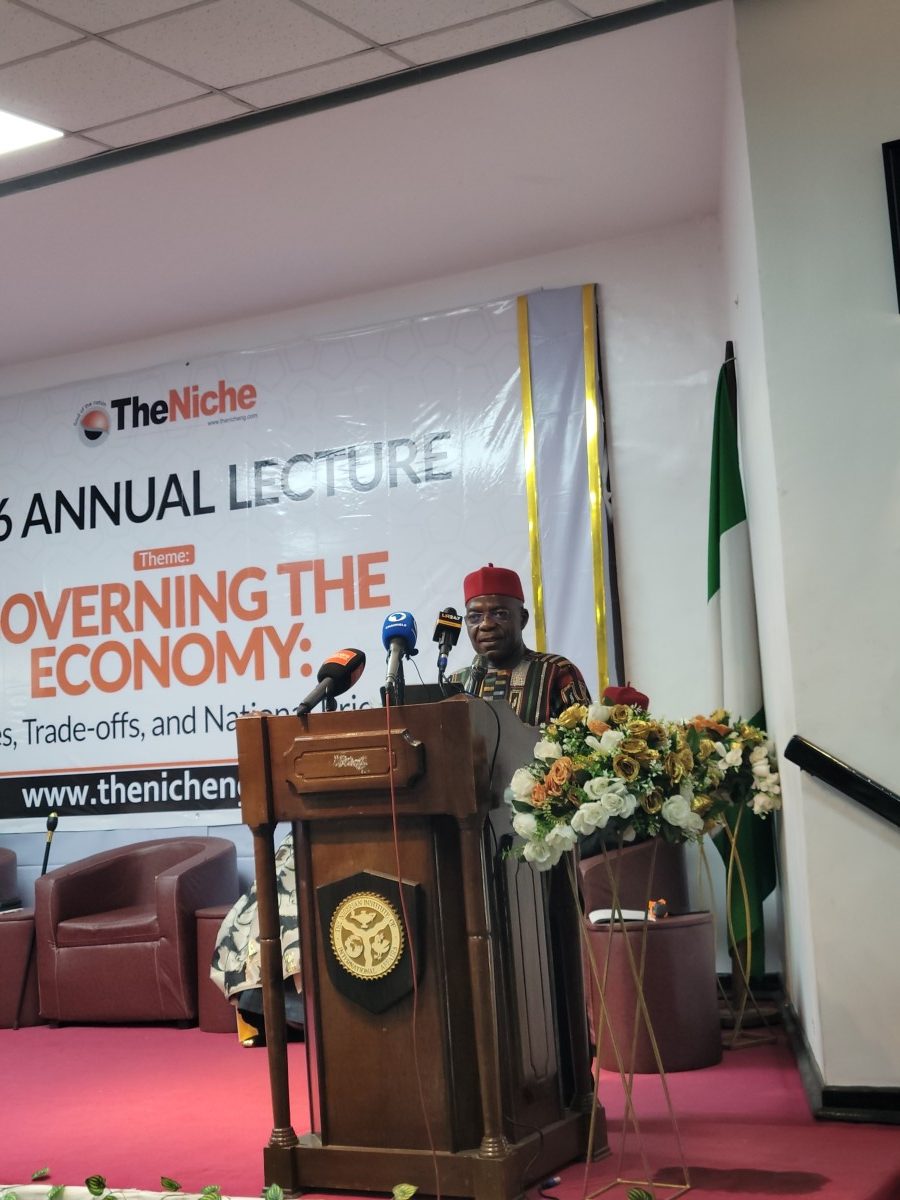
Speaking at the 2026 Annual Lecture organised by TheNiche, themed “Governing the Economy: Choices, Trade-offs and National Priorities,” Eko Hot Blog reports that the governor described Nigeria’s economic situation as complex but not beyond repair if the right decisions are taken.
EDITOR’S PICK
- Benue Mortician Arrested for Using Corpse Part as Walking Stick
- Baba Yusuf: Bandits May Reach National Assembly
- PDP Asks INEC To Withdraw Recognition Of Anyanwu As National Secretary
He said persistent issues such as unemployment, poverty and weak institutions are the result of long-standing policy failures, noting that reversing them would require time, discipline and consistency.
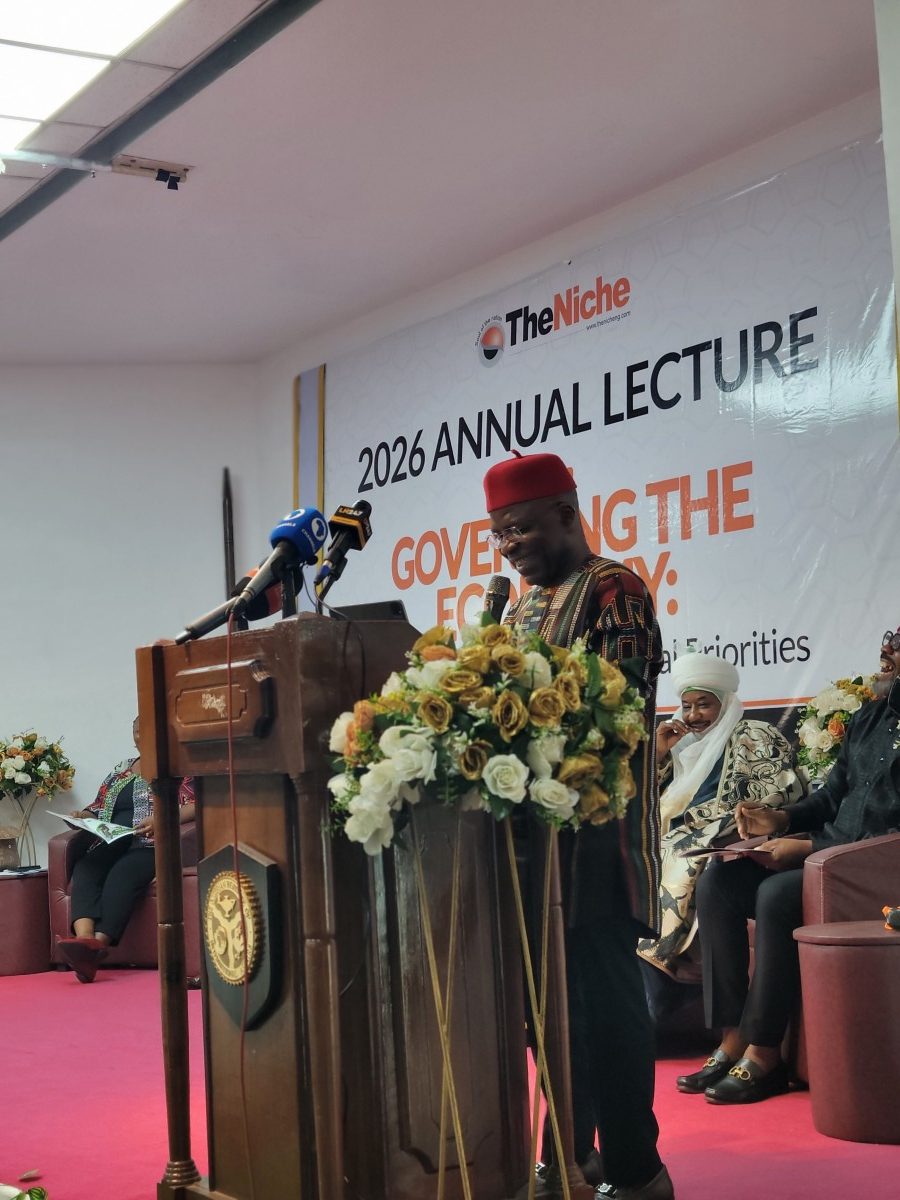
According to him, there is no “magic solution” to the country’s economic problems, as they are deeply rooted in governance and institutional weaknesses.
Otti stressed that economic performance cannot be separated from political leadership, arguing that poor political choices often translate into declining economic conditions. He pointed out that corruption, vote-buying and opportunistic politics weaken institutions and ultimately harm national development.
The governor also drew attention to declining civic participation, warning that low voter turnout and public disengagement from governance contribute to poor leadership outcomes. He urged Nigerians to take a more active role in the political process, beyond just voting, by demanding accountability and transparency from leaders.
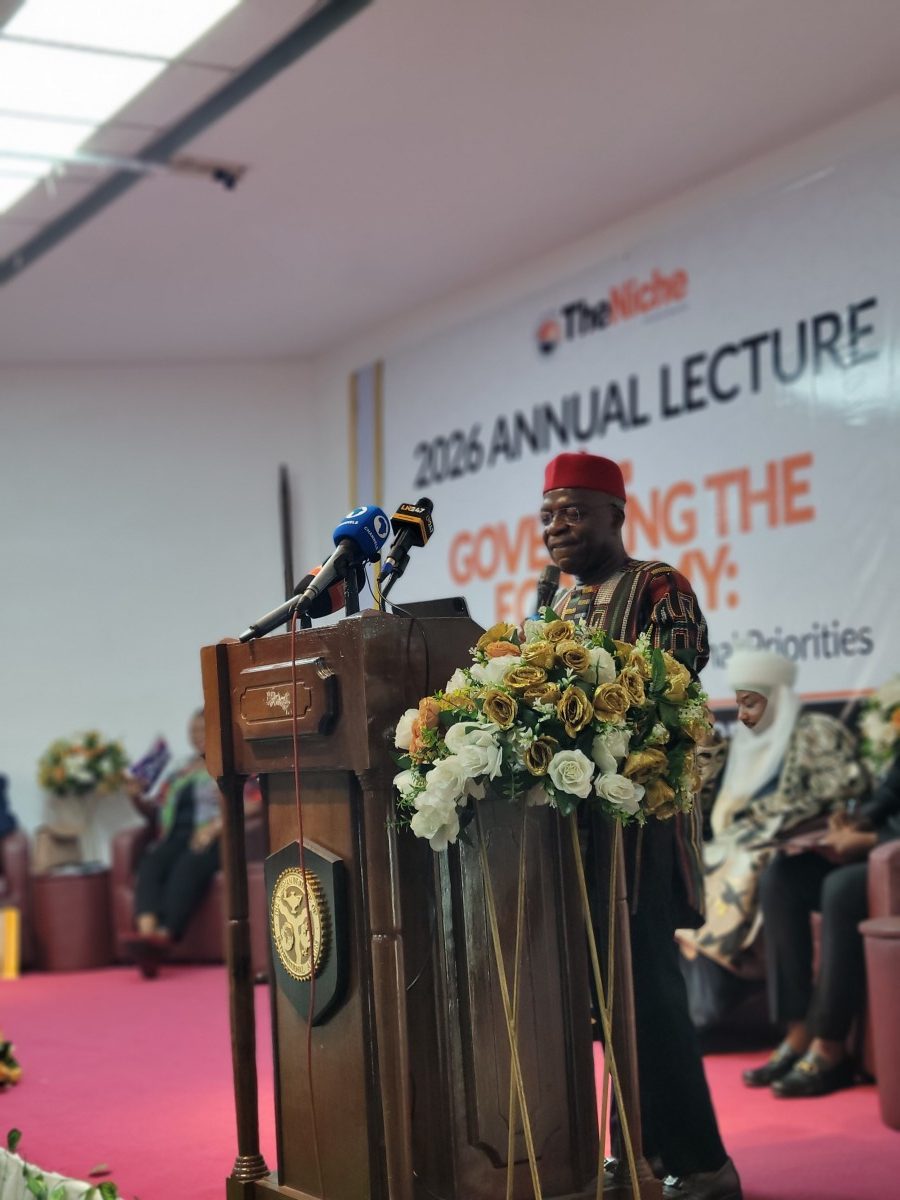
On security, Otti noted that a stable environment is critical for economic growth, explaining that insecurity disrupts business activities, discourages investment and limits productivity.
He said no economy can thrive where lives and property are not adequately protected, stressing that improving security must remain a top priority for governments at all levels.
He added that economic governance should focus on building strong institutions, ensuring policy consistency, and creating an enabling environment for businesses to grow. According to him, investors are more attracted to systems that are transparent, predictable, and accountable.
Using Abia State as an example, Otti said reforms in governance, improved public service delivery, and a renewed commitment to accountability have begun to restore confidence among residents and investors. He noted that cleaner cities, ongoing infrastructure development, and improved security have contributed to increased business activity in the state.
The governor further argued that development should not be measured solely by GDP growth but by tangible improvements in the lives of citizens, including access to jobs, healthcare, education, and basic infrastructure.
He criticised the culture of abandoning projects initiated by previous administrations, describing it as wasteful and detrimental to long-term development. He called for continuity in governance to ensure that public investments deliver maximum value.
Otti also cautioned against over-reliance on short-term welfare programmes, saying that while social support is important, sustainable economic growth depends more on investments that create jobs and expand productive capacity.
He urged policymakers to prioritise sectors such as agriculture, infrastructure and industrial development, noting that these areas have the potential to drive inclusive growth and reduce poverty.
The governor concluded by calling for collective responsibility in nation-building, stressing that both leaders and citizens must make sacrifices and take deliberate actions to secure Nigeria’s economic future.
FURTHER READING