- Bode George urged PDP members to respect the party’s leadership structure
- He said selfish interests have weakened party discipline and unity
- George called for a stronger hierarchy to rebuild the PDP as a viable opposition
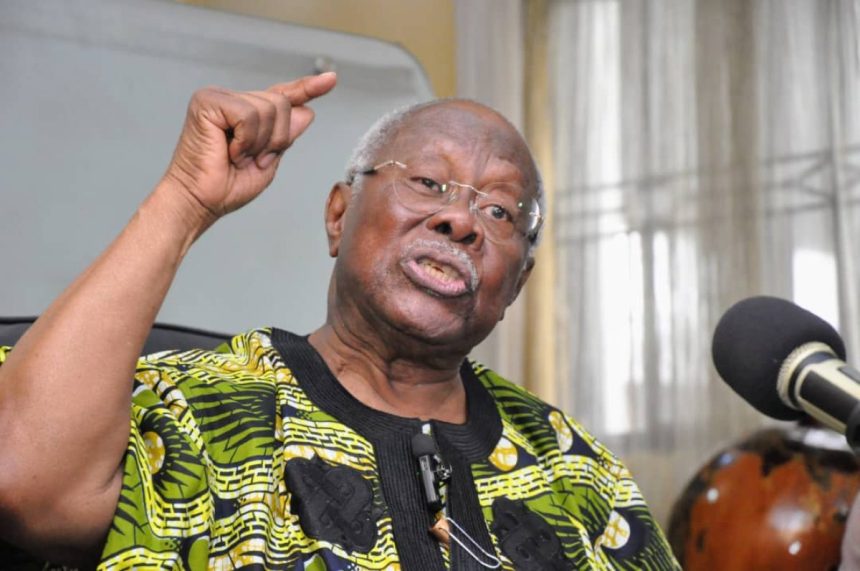
Former Deputy National Chairman of the Peoples Democratic Party (PDP), Bode George, has called on members of the party to respect its leadership structure, regardless of their individual contributions or influence.
Eko Hot Blog gathered that George said the party’s internal crisis was partly caused by prominent members who began treating the organisation as their personal property for political and selfish interests.
The PDP chieftain made the remarks during an interview on Channels Television’s Sunrise Daily, where he discussed the need for a strong opposition and the challenges facing the former ruling party.
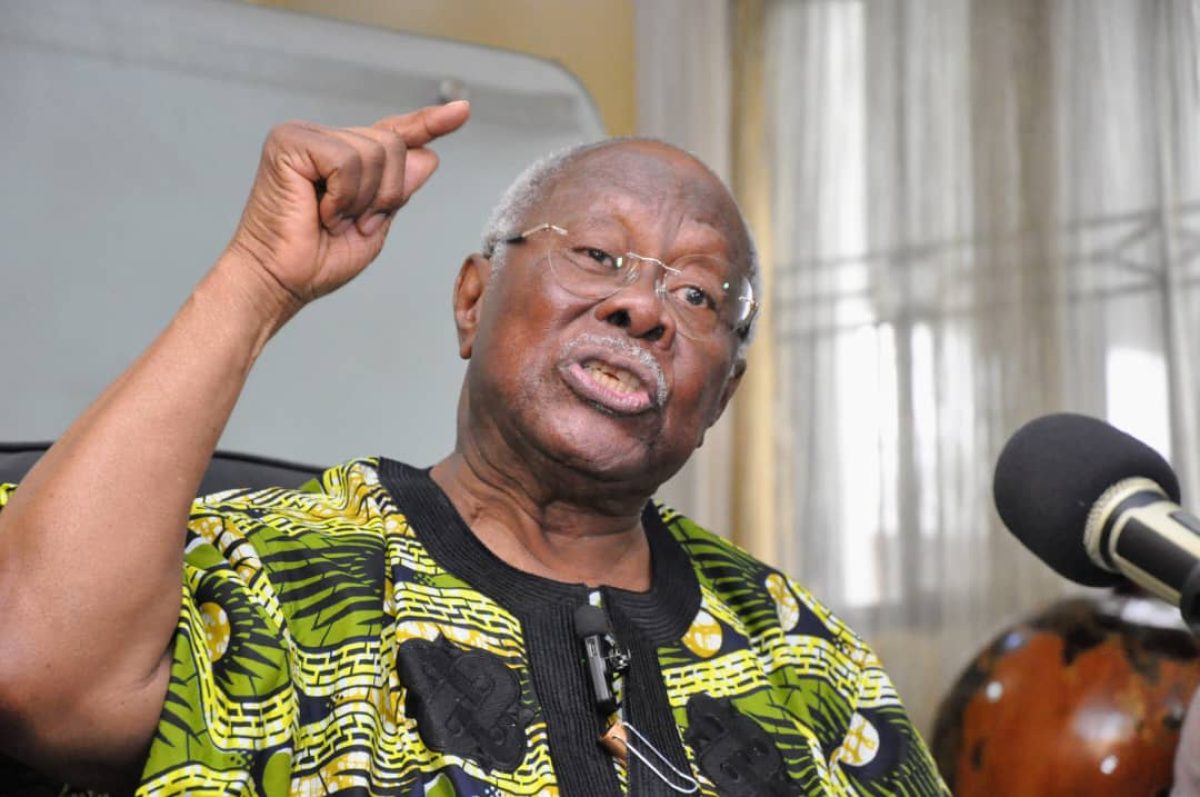
According to George, the PDP operated a clearly defined structure when it was in power, with party officials and organs having specific responsibilities.
He recalled that the National Working Committee (NWC) handled the day-to-day administration of the party, while the National Executive Committee (NEC) and national convention performed broader supervisory and decision-making roles.
George also noted that the Board of Trustees and the party’s legislative structures had clearly established functions, allowing members to understand their responsibilities within the organisation.
He said the arrangement helped the PDP emerge as one of Nigeria’s strongest national political parties because members understood the importance of discipline, unity and adherence to the party’s hierarchy.
However, George argued that the party’s internal cohesion weakened after it lost power at the federal level.
He said some influential members subsequently began acting independently and disregarding directives from the National Chairman and the NWC.
According to him, political ambitions and personal interests gradually weakened respect for the party’s established leadership structure.
George said leaving the government also created uncertainty over the relationship between political leadership and party administration, which contributed to the growing divisions within the PDP.
He explained that while the President had traditionally been regarded as the leader of the party when the PDP was in government, the National Chairman remained responsible for managing its daily affairs, with the Board of Trustees providing guidance and moderation.
The former deputy national chairman said the situation changed after the party lost power, as some members became unwilling to submit to the authority of the National Chairman and other recognised party organs.
He stressed that no individual’s financial contribution, political influence or personal standing should give them the authority to disregard the party’s leadership.
George maintained that the PDP could only regain its strength if members returned to the principles of discipline, unity and respect for its established hierarchy.
He urged party leaders and members to put collective interests above personal ambitions in order to rebuild the organisation into a credible and effective opposition capable of challenging the ruling party.
FURTHER READING