- Former Labour Party presidential candidate Peter Obi has strongly endorsed the Federal Government’s decision to suspend the proposed registration fee hikes for the 2027 West African Senior School Certificate Examination (WASSCE) and National Examinations Council (NECO) exams.
- The Ministry of Education formally withdrew its June 18, 2026 directive to hike testing rates, citing the need for broader stakeholder consultations following intense backlash from parents, civil society organizations, and civic leaders.
- Obi characterized the policy reversal as a critical victory for everyday citizens, warning that placing heavy financial barriers on basic academic milestones worsens Nigeria’s out-of-school children crisis and strains vulnerable families.
The Federal Government’s decision to put a hold on the planned upward review of registration fees for the 2027 WASSCE and NECO Senior School Certificate Examinations has been met with widespread positive reactions across the political spectrum.
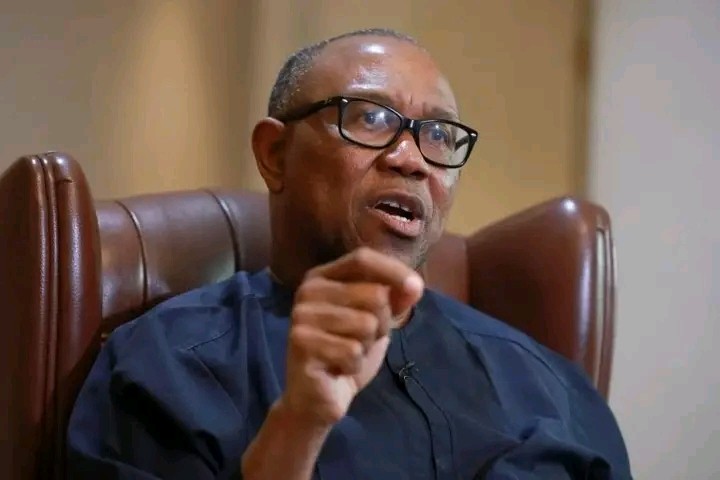
Eko Hot Blog reports that former Anambra State Governor and Labour Party presidential candidate, Peter Obi, explicitly welcomed the administration’s turnaround, calling the sudden policy withdrawal “a victory for the Nigerian people.”
EDITOR’S PICK
- Hamzat Appoints Obanikoro as Campaign DG Ahead of 2027 Lagos Governorship Race
- Tinubu’s State Police Plan Gains Momentum as Amendment Looms
- Residents Raise Alarm After Two Bodies Found in Lagos Waterway
The reversal came after the Federal Ministry of Education chose to step down its June 18, 2026 letter regarding a proposed fee adjustment, opting instead to leave rates static to allow for comprehensive consultations with education stakeholders, community organizations, and parent associations.
According to institutional updates from state actors, the initial plan to increase testing tariffs was primarily prompted by rising logistical and operational expenses associated with managing large-scale national examinations.
However, following deep public concerns about the timing of the hike, authorities pulled back the policy in alignment with promises to preserve inclusive and evidence-based decision-making.
Reacting to the development, Obi praised the government’s willingness to listen to the widespread public outcry but argued firmly that such a financial burden should never have been considered in the first place, given the deep macroeconomic pressures currently facing millions of households across the country.
Obi stressed that the primary duty of the state during challenging financial intervals should focus strictly on expanding educational access, reducing barriers to enrollment, and tackling Nigeria’s persistent out-of-school children deficit.
He maintained that imposing heavy financial prerequisites at the basic terminal education level serves only to discourage vulnerable demographics from continuing their schooling, which could push thousands of young citizens out of the formal learning system.
True leadership, he pointed out, is demonstrated when an administration possesses the humility to recognize and reverse policies that inadvertently bring unnecessary hardship upon the populace.
The prominent opposition figure also extended deep appreciation to the active citizens, hard-pressed parents, and education advocacy groups whose collective opposition forced the policy review.
This administrative adjustment occurs alongside separate, broader calls from alternative civic leaders, such as Omoyele Sowore, who have previously advocated for the complete cancellation of WAEC and NECO registration fees to establish a strictly free basic education framework.
As school administrators and regional examiners adjust to the restored fee baselines, structural stakeholders are urging the Ministry of Education to explore public-private partnerships or direct budgetary expansions to subsidize rising examination overheads without passing the operational bill down to families.