- Price Of Bag Of Dangote, BUA, Other Cement This Week
- Dangote and BUA sell at ₦10,000 per bag
- Competition and demand helping to limit price hikes
The Nigerian cement market appears to be experiencing relative price stability, with major manufacturers selling within a narrow range across key markets nationwide.
Market checks conducted on Saturday show that Dangote Cement is currently selling for about ₦10,000 per 50kg bag.
EDITOR’S PICKS
- Trump Says Zelenskyy Stalling U.S. Peace Plan
- Oluremi Tinubu Predicts Nigeria’s Rise to Prosperity
- Why Nigeria’s Military Helped Foil Coup Attempt in Benin Republic
EKO HOT BLOG reports that BUA Cement is also maintaining the same price of ₦10,000 per bag, reflecting near price parity between the two dominant players in the sector.
Mangal Cement, which has a strong presence in northern markets, is selling slightly lower at about ₦9,800 per 50kg bag. The ₦200 price difference has drawn attention from builders and distributors, particularly in areas where construction costs are closely monitored.
Despite the current stability, industry observers say cement prices continue to be shaped by rising production and operating costs. Energy expenses remain a major concern, as manufacturers rely heavily on diesel and alternative power sources due to inconsistent electricity supply.
Transportation costs are also affecting pricing, with fuel prices influencing the movement of raw materials to factories and finished products to markets across the country.
Exchange rate pressures remain another key factor. While core raw materials such as limestone are sourced locally, cement producers still depend on imported machinery, spare parts, and some production inputs. Fluctuations in the foreign exchange market continue to raise operational costs.
Other cost drivers include limestone mining, packaging materials, and logistics, all of which contribute to the final retail price paid by consumers.
Analysts note that sustained demand from the construction sector is helping to keep prices firm but stable. Ongoing government infrastructure projects, private real estate development, and housing needs continue to drive steady consumption.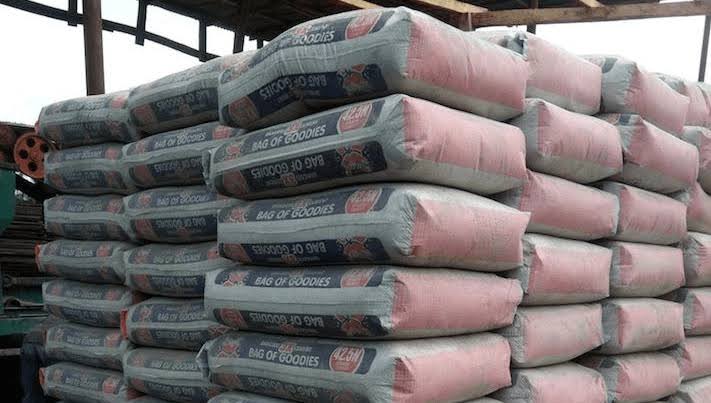
At the same time, competition among major manufacturers appears to be limiting sharp price increases, as companies carefully balance cost pressures with the need to retain market share.