The Revenue Mobilisation Allocation and Fiscal Commission (RMAFC) has revived the debate over the remuneration of Nigeria’s political officeholders, sparking criticism from opposition voices who argue the timing of such a move is grossly inappropriate.
RMAFC, by law, is tasked with determining the salaries and allowances of political officeholders, including the president, vice president, governors, ministers, commissioners, legislators, and others covered under sections 84 and 124 of the constitution. The last adjustment to their remuneration package reportedly occurred in 2008.
EDITOR’S PICKS
When President Bola Tinubu assumed office in May 2023, discussions began on revising the salary framework, but the plan was suspended in September that year, with officials citing “economic challenges.”
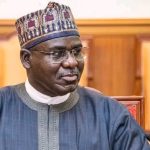
Now, RMAFC chairman Mohammed Shehu says the need for review has become urgent, given what he describes as the inadequacy of current pay compared with Nigeria’s governance demands and economic realities.
RMAFC’s Argument: ‘The President’s Salary is a Joke’
Speaking at a press conference in Abuja on Monday, Shehu said the earnings of the country’s highest officeholder do not reflect Nigeria’s size and responsibility.
“You are paying the president of the Federal Republic of Nigeria N1.5 million a month, with a population of over 200 million people. Everybody believes that it is a joke,” he said.
The commission’s chairman noted that the pay structure for ministers and heads of ministries has been stagnant since 2008, while many government agency chiefs, such as the Central Bank governor or directors-general, earn several times more than cabinet ministers and even the president.
“You cannot pay a minister less than N1 million per month since 2008 and expect him to put in his best without necessarily being involved in some other things,” Shehu added.

He argued that the disparity undermines fairness and efficiency, suggesting that a reasonable pay rise could help reduce incentives for corruption and align salaries with institutional responsibilities.
ADC Pushes Back: ‘Tone-Deaf and an Affront to Nigerians’
But the African Democratic Congress (ADC) has sharply opposed the proposal, describing it as insensitive in light of Nigeria’s current economic struggles.
In a statement issued Wednesday by its national publicity secretary, Bolaji Abdullahi, the party called the plan “tone-deaf” and “an affront to the Nigerian people.”
“Proposing such review at a time when millions of Nigerians are struggling with soaring food inflation, high cost of fuel, inadequate and largely unpaid minimum wage would indicate a total disregard for the people,” Abdullahi said.

He argued that political officeholders already enjoy extensive allowances and perks that dwarf their official salaries, questioning the rationale for further pay increases.
“These salaries are already supplemented with sundry bogus and opaque allowances, perks, and other discretionary funds, which together far exceed what ordinary Nigerians earn. How else are the political office holders able to support their lifestyle of luxury and opulence if indeed these ‘outdated’ salaries mean anything to them?” he asked.
The ADC further stressed that government has a moral obligation to prioritise the welfare of citizens before considering upward adjustments for politicians. “Government has no moral right to demand sacrifice from ordinary citizens while they focus on making lives easier for themselves,” the party’s statement read.
Instead of salary hikes, the ADC urged the federal government to focus on implementing the new minimum wage of N70,000, ensuring prompt payment to civil servants, and expanding social welfare programmes to support vulnerable Nigerians.
The Question of Timing
The RMAFC’s proposal and the ADC’s opposition highlight a larger debate about governance, fairness, and public trust.
While the commission frames its case around equity and institutional effectiveness, critics argue that the economic context characterised by inflation, high living costs, and widespread unemployment renders any pay increase politically and socially insensitive.
The timing issue is particularly charged because Nigerians have often been urged by successive governments, especially the current Tinubu administration, to endure “short-term pain” in the name of long-term reforms such as subsidy removal, currency devaluation, or new tax measures.
Citizens have borne these hardships with little sign of shared sacrifice from political officeholders themselves. Instead, politicians are widely perceived as insulated from economic realities, enjoying hefty allowances, luxury convoys, and other benefits that far exceed the reach of ordinary people.
For many Nigerians, therefore, the debate is not just about whether salaries are outdated, but whether political leaders have earned the moral right to seek higher pay. Public opinion frequently holds that politicians already earn too much relative to the services they deliver, making any proposal for an upward review appear as further detachment from citizens’ struggles.
FURTHER READING
While the RMAFC chairman may think that it’s a joke that the president earns N1.5 million a month, tens of millions of Nigerians who earn less than N100,000 a month likely think otherwise.
Philip Ibitoye is a Special Correspondent with EKO HOT BLOG. Click here to find daily analysis and critical insight on trending issues in Lagos and other parts of Nigeria.
Click here to watch the video of the week below: