- Senate President Godswill Akpabio delivered a stern reprimand to former Edo State Governor Adams Oshiomhole and Senator Patrick Ndubueze on Friday for violating parliamentary standing rules during a floor debate.
- The heated exchange erupted during discussions on a motion seeking to enforce constitutional compliance and compel heads of government ministries, departments, and agencies to respect legislative invitations.
- The floor drama marks another chapter in a series of sharp exchanges between Akpabio and Oshiomhole during legislative sessions this week, highlighting mounting tensions within the upper chamber.
The Senate of the Federal Republic of Nigeria witnessed another dramatic session on Friday as Senate President Godswill Akpabio issued sharp reprimands to Senator Adams Oshiomhole and Senator Patrick Ndubueze over what he described as a clear breach of parliamentary standing rules during plenary deliberations.
Eko Hot Blog reports that the confrontation unfolded while lawmakers were considering a motion aimed at addressing the persistent refusal of heads of Ministries, Departments, and Agencies (MDAs) to honour formal invitations extended by Senate oversight committees.
EDITOR’S PICKS
- FG Partners With Chinese Investors To Secure Land For 10,000-Home Mass Housing Project
- Intelligence Materials Were Shared With US, Not Seized – DHQ
- Man Arraigned in Adamawa Over Alleged Abuse Involving Daughter
The legislative chamber has grown increasingly frustrated with executive recalcitrance, prompting discussions on strengthening parliamentary powers to enforce compliance.
Trouble started on the floor when Senator Oshiomhole, representing Edo North Senatorial District, stood to propose an additional prayer to the motion.
Oshiomhole argued that Senate committees should be explicitly empowered under constitutional provisions to recommend that the Senate President issue bench warrants or arrest warrants against defaulting agency heads.
However, as the former Edo State governor began elaborating on his proposal and debating its merits, Akpabio promptly cut him short.
Interrupting Oshiomhole’s submission, the Senate President pointed out that Senate rules strictly prohibit lawmakers from engaging in debate when introducing additional prayers to an already deliberated motion.
Akpabio reminded the chamber that once a motion reaches the stage of proposing extra prayers, general debate is formally concluded, requiring the lawmaker to state the prayer directly without further commentary.
Following Akpabio’s intervention, Senator Patrick Ndubueze, representing Imo North, rose to second Oshiomhole’s proposed additional prayer.
However, Ndubueze also attempted to provide explanatory remarks while seconding the motion, triggering another immediate intervention from the Senate President.
Akpabio instructed Ndubueze to restrict his contribution strictly to seconding the prayer, admonishing him for failing to master the standing orders despite his tenure in the upper chamber.
After Ndubueze formally confirmed his secondment without further debate, Akpabio put the proposed additional prayer to a voice vote.
Following a chorus of responses across the chamber, the Senate President ruled that the “nays” had won, effectively defeating the proposed amendment to issue arrest warrants against defaulting agency leaders.
Friday’s exchange represents the latest instance of floor friction involving Akpabio and Oshiomhole.
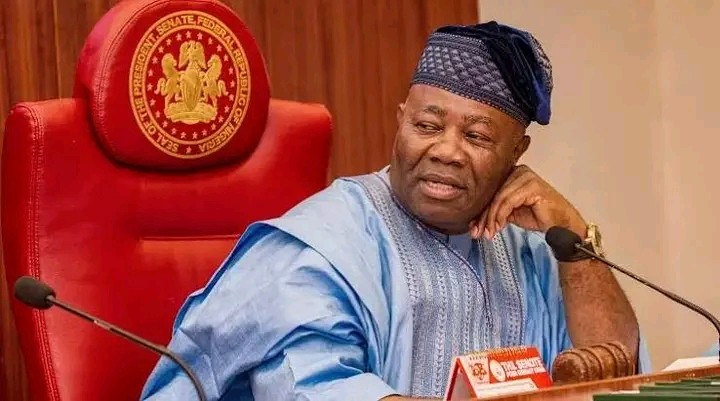
Earlier in the week, Oshiomhole had publicly accused the Senate President of breaching an informal truce after Akpabio referenced a viral video involving the Edo lawmaker.
Although Akpabio subsequently offered a floor apology, explaining his comments were made in jest and reaffirming his respect for Oshiomhole as his political brother, underlying tensions have continued to surface during procedural debates.
Despite the temporary clash, parliamentary observers note that the core focus remains the Senate’s determination to assert its constitutional authority over defaulting public officers.
Legislative leaders maintain that adherence to standing orders is essential for preserving decorum and efficiency as the National Assembly intensifies its executive oversight functions.