- Shettima urged African nations to process raw materials locally
- He said value addition would create jobs and boost economies
- The Vice-President visited Benin to study successful industrial models
Vice-President Kashim Shettima has urged African countries to stop exporting raw materials and instead focus on processing their resources locally to drive industrial growth, create jobs and strengthen their economies.
Eko Hot Blog gathered that Shettima made the appeal during a visit to the Glo-Djigbé Industrial Zone in Cotonou, Benin Republic, where he toured cotton, textile and agro-processing facilities.
EDITOR’S PICK
- Tinubu Approves Army Expansion, Recruitment of 28,000 Personnel
- Aregbesola Claims Record as First Nigerian Governor to Serve Eight Years Without Owning a House
- Ikosi-Ejinrin LCDA Commissions Fully Equipped NSCDC Divisional Headquarters, Donates Patrol Vehicle and Motorcycle to Boost Security
He said Africa must move away from its long-standing role as a supplier of raw materials to foreign industries while importing finished goods produced from its own resources.
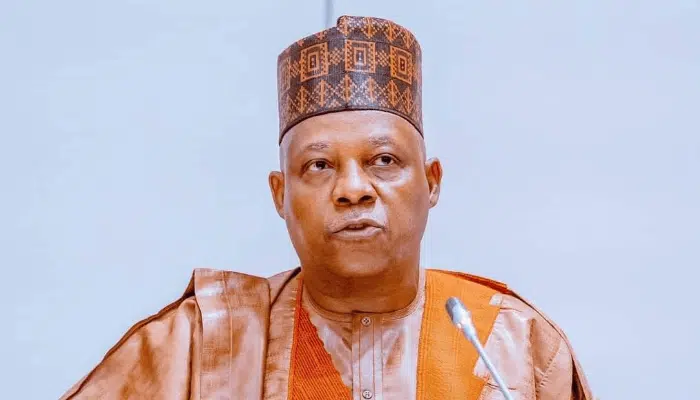
According to the Vice-President, the continent can unlock greater economic opportunities by investing in industries that add value to agricultural and mineral resources before export.
Shettima said the Federal Government’s industrialisation agenda is designed to ensure balanced development across Nigeria, with plans to establish agro-industrial value chains in collaboration with state governments.
He praised Benin Republic for developing industries that process locally sourced raw materials into finished products, describing the Glo-Djigbé Industrial Zone as a model that other African countries can emulate.
The Vice-President noted that despite Africa’s vast cotton production potential, the continent accounts for only about one per cent of the global cotton industry, estimated to be worth $370 billion.
He said reviving Nigeria’s textile sector would generate millions of jobs, increase non-oil exports and stimulate economic growth.
Shettima explained that the visit was undertaken on the directive of President Bola Tinubu as part of efforts to study successful industrial models that could be replicated in Nigeria under the Renewed Hope Agenda.
He revealed that the Federal Government is developing eight agro-industrial zones across eight states to strengthen value addition in agriculture and manufacturing.
According to him, lessons from Benin’s integrated processing of cotton, cashew and soya beans will help Nigeria improve its own industrial strategy.
During the visit, the Nigerian delegation received briefings on the industrial zone’s operations, investment opportunities and production capacity.
They also toured facilities where cotton is processed into yarn, fabric and finished garments, alongside plants processing cashew and other agricultural products for local and international markets.
The Vice-President was accompanied by the governors of Kwara, Imo, Katsina, Plateau, Zamfara and Jigawa states.
FURTHER READING