- Early Signs of Prostate Problems
- Weak urine stream and urgency require medical evaluation
- Early detection improves treatment and survival outcomes
Prostate problems are becoming increasingly common among men, especially as they grow older. Yet many ignore the early warning signs until symptoms begin to interfere with daily life. The prostate is a small gland located below the bladder, and it plays a role in producing semen.
EDITOR’S PICKS
- DSS Arrests El Rufai After Release From EFCC Custody
- Inside Tinubu’s Executive Order Stripping NNPCL of Oil Revenue Deduction Powers
- 5 Health Risks Men Face After Age 40
EKO HOT BLOG gathered that when it becomes enlarged, inflamed or affected by disease, the body often sends signals long before complications develop.
Recognising these early signs can make the difference between simple treatment and serious health consequences.
1. Frequent Urination, Especially at Night
One of the earliest signs of prostate trouble is the need to urinate more often than usual. Many men notice they wake up several times during the night to use the bathroom. This condition, known as nocturia, occurs because an enlarged prostate presses against the urethra and affects normal urine flow.
If frequent urination becomes consistent rather than occasional, it should not be ignored.
2. Difficulty Starting Urination
Struggling to begin urination is another common early symptom. A man may stand at the toilet for several seconds before urine starts flowing. This happens when the prostate narrows the urethra, making it harder for urine to pass through.
It may feel like hesitation or delay, even when the bladder feels full.
3. Weak or Interrupted Urine Stream
A healthy urine stream should be steady and strong. When the flow becomes weak, slow or stops and starts repeatedly, it may signal prostate enlargement. The gland can partially block the urethra, reducing pressure and control.
Men sometimes dismiss this as a normal part of ageing, but persistent changes require medical evaluation.
4. Feeling of Incomplete Bladder Emptying
After urinating, some men feel like their bladder is still not fully empty. This sensation occurs because the prostate interferes with the bladder’s ability to completely release urine. Over time, retained urine can increase the risk of infections or bladder problems.
5. Urgency to Urinate
Sudden and strong urges to urinate, even when the bladder is not very full, may indicate prostate irritation or inflammation. This symptom can be uncomfortable and embarrassing, especially if access to a toilet is not immediate.
6. Pain or Burning During Urination
Painful urination may point to prostate inflammation or infection, sometimes referred to as prostatitis. While infections are treatable, ignoring the pain can allow the condition to worsen. Any burning sensation should be assessed by a healthcare professional.
7. Blood in Urine or Semen
Though less common in early stages, blood in urine or semen is a warning sign that should never be overlooked. It may be linked to infection, inflammation or, in rare cases, prostate cancer. Immediate medical attention is essential if this occurs.
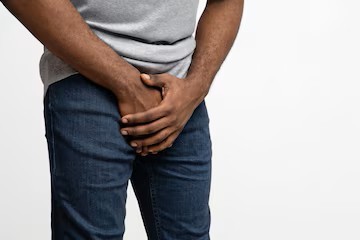
Prostate conditions range from benign enlargement to infections and cancer. According to global health data, prostate cancer remains one of the most common cancers affecting men worldwide. Early detection significantly improves treatment outcomes and survival rates.
FURTHER READING
- INEC Denies Plan for Real Time Transmission in FCT Council Polls
- Tinubu Orders Direct Payment of Oil Revenues to Federation Account
- Unpaid Electricity Bills Hit N6tn As GenCos Reject NLC “Extortion” Claims