- Lagos Approves 13% Fare Increase for BRT, BRI Services
- The revised fares will take effect from Monday, March 2, 2026
- Bus Operating Companies have recorded increased expenditure on vehicle maintenance, spare parts and staff remuneration, particularly following the implementation of the new national minimum wage
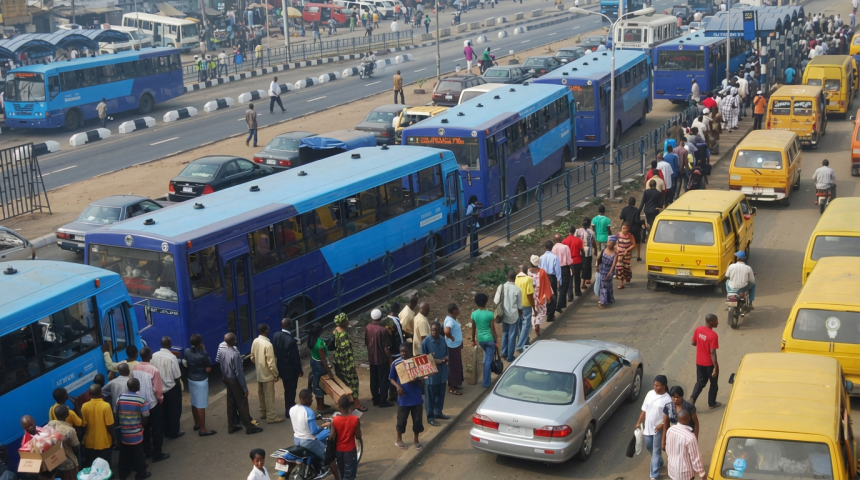
The Lagos State Government has approved a 13 per cent increase in fares for Bus Rapid Transit and other standard routes under the Bus Reform Initiative, citing mounting operational costs and sustained economic pressures on public transport operators.
Eko Hot Blog reports that the approval was granted by Governor Babajide Sanwo-Olu following appeals from regulated bus operators who argued that existing fares had become unsustainable due to inflation and rising overheads.
EDITOR’S PICK
- Nigerian Fashion Designer Sheriff Shittu Shot Dead in Brooklyn Nightclub
- Awujale Stool: Royal Family Appeals to Ogun Government to Resume Process
- Many Attackers Behind Killings in Nigeria Are From Outside the Country – Akume
Under the new structure, the revised fares will take effect from Monday, March 2, 2026, and will apply across all Bus Reform Initiative schemes, including BRT and standard bus services. State officials explained that the adjustment aligns with the government’s annual fare review mechanism.
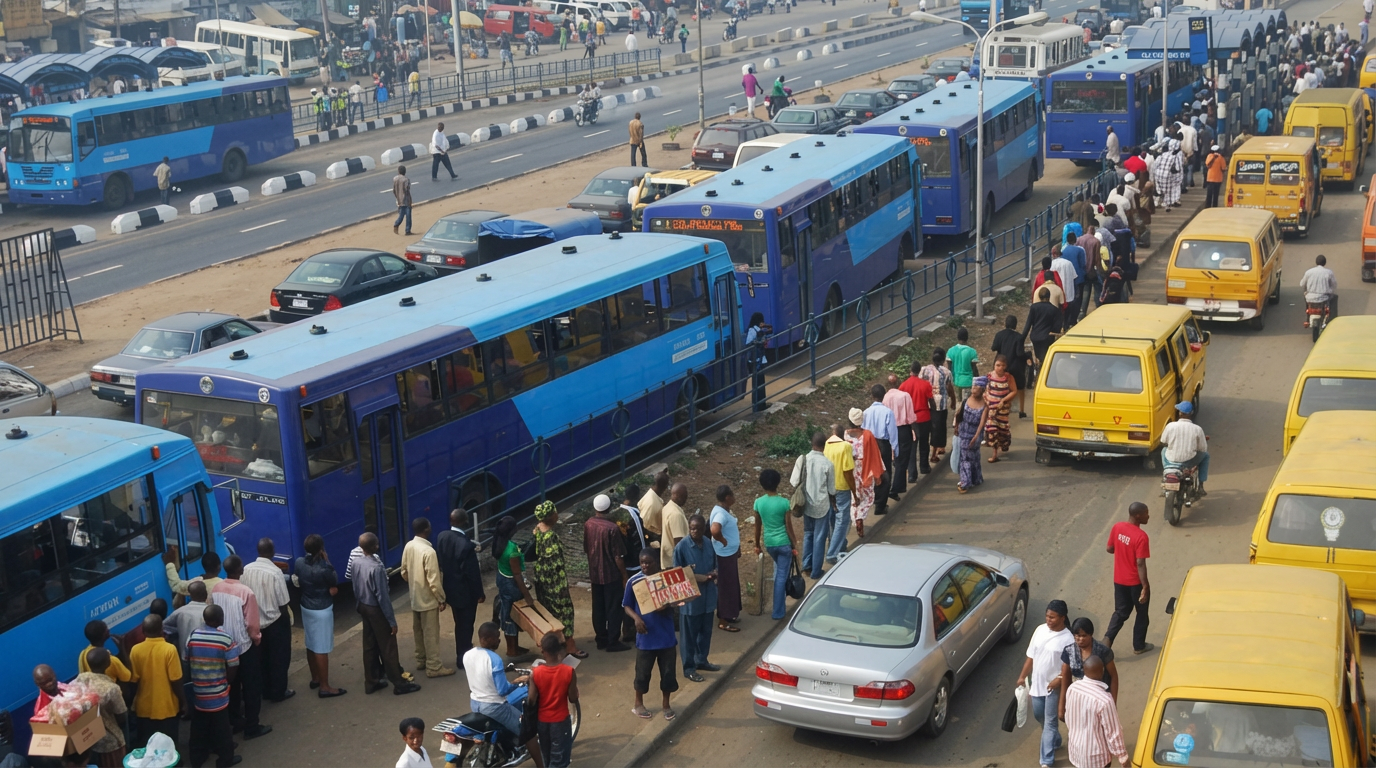
Speaking on the development, the Head of Corporate Communications at the Lagos State Traffic Management Authority, Kolawole Ojelabi, said the review was necessary to cushion the impact of persistent economic challenges affecting the transport sector.
“The fare review became necessary to address the realities of rising operational costs confronting bus operating companies, while ensuring the continued delivery of safe, reliable and efficient services to commuters,” Ojelabi said.
He noted that inflationary pressures had intensified the urgency of the adjustment, adding that Nigeria’s inflation rate closed 2025 at 15.2 per cent, according to data from the National Bureau of Statistics.
According to the state government, Bus Operating Companies have recorded increased expenditure on vehicle maintenance, spare parts and staff remuneration, particularly following the implementation of the new national minimum wage.
Ojelabi further stated that operators are investing in newer, cleaner and more fuel-efficient buses to enhance service quality and promote environmental sustainability.
He assured commuters that the government remains committed to balancing affordability with the need to maintain a reliable and efficient public transport system across the state.