- ‘Balance Modernisation with Heritage’ – Group to Lagos Authorities
- Says Traditional Traders May Be Priced Out
- Warns of Heritage Loss as Lagos Markets Face Redevelopment
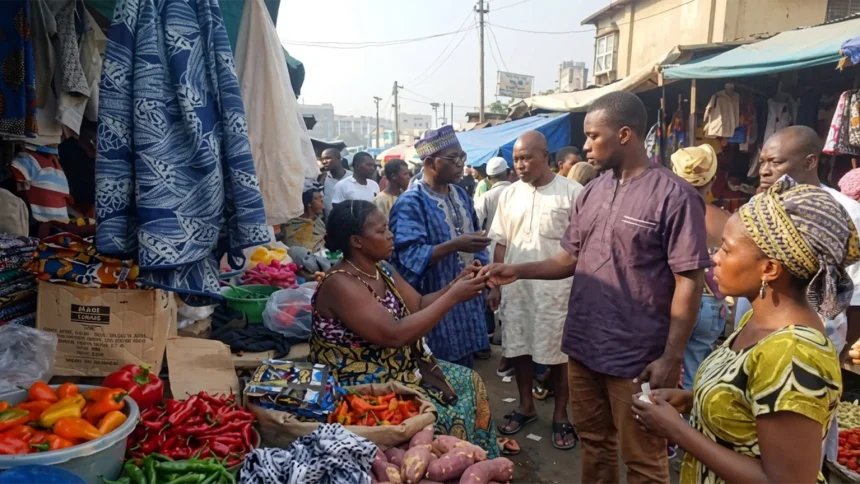
The DeRenaissance Patriots Foundation has raised concerns over ongoing market redevelopment projects across Lagos State, warning that they could displace traditional traders and erode the city’s long-standing mercantile heritage, Eko Hot Blog reports.
In a statement titled “Lagos Markets: Between Heritage and Modernity”, the group called for a more inclusive approach to urban renewal. It highlighted historic markets such as Oja-Ereko, Oke-Arin, Ebute-Ero, Ita-Balogun, Jankara, Pelewura and Sandgrouse as enduring centres of commerce and culture.
EDITOR’S PICK
- Nigerian Fashion Designer Sheriff Shittu Shot Dead in Brooklyn Nightclub
- Awujale Stool: Royal Family Appeals to Ogun Government to Resume Process
- Many Attackers Behind Killings in Nigeria Are From Outside the Country – Akume
Tracing the commercial roots of Lagos to early barter systems that predated structured currency, the foundation noted that trade evolved organically in open squares where fishermen, farmers and merchants exchanged goods, laying the foundation for the city’s economic expansion.
“Lagos did not begin with glass towers and gated plazas. It began in open squares. From that humble beginning emerged a vibrant mercantile civilisation,” the statement read.
The group described traditional markets as more than trading spaces, characterising them as cultural hubs where entrepreneurship flourished and generational livelihoods were built. It noted that many prominent Lagos families rose from modest trading backgrounds, with proceeds from market activities funding education in professions such as law, medicine, engineering, banking and public service.
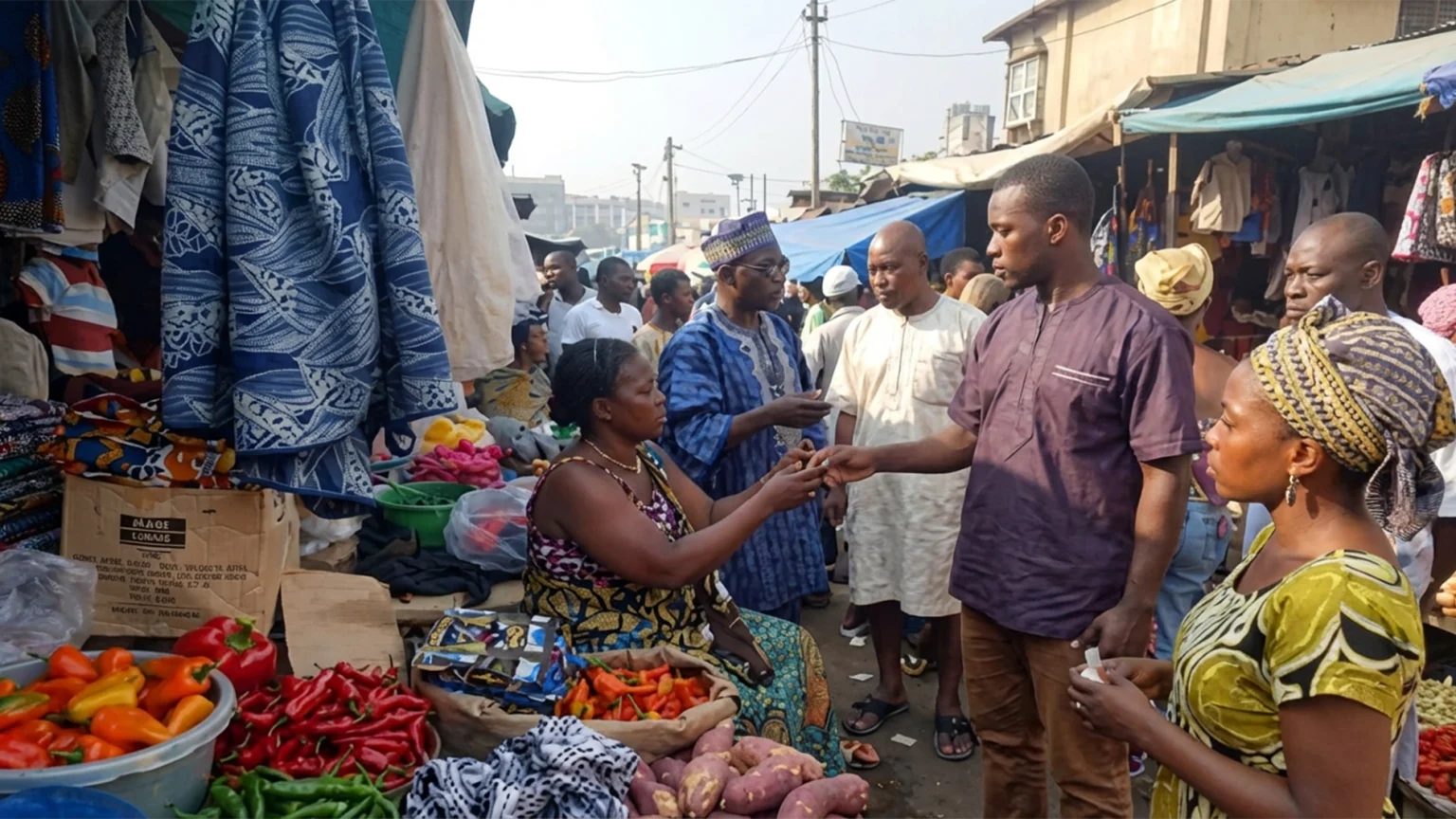
However, the foundation argued that the current wave of redevelopment across the five administrative divisions of the state amounts not merely to modernisation but displacement. According to the statement, open markets that have served residents for generations are being demolished and replaced with multi-storey complexes whose rents and service charges are beyond the reach of long-standing traders.
It further claimed that some of the newly constructed facilities remain partially unoccupied due to high costs, while displaced traders are compelled to resort to informal street trading in surrounding areas to survive.
The foundation maintained that markets function as social and economic ecosystems built on affordability and accessibility. It warned that redevelopment initiatives that exclude primary users risk weakening the city’s economic structure.
The group urged authorities to adopt phased redevelopment plans that guarantee displaced traders the right of return at affordable rates, incorporate open-air sections for low-capital merchants and ensure broad consultation before demolition exercises.
It added that Lagos’ prosperity was built on grassroots commerce and called for development strategies that strike a balance between modernisation and preservation of the city’s historic trading identity.