Can Southern Zoning Still Rescue the PDP?
As the Peoples Democratic Party inches toward the 2027 general election, its decision to zone the presidential ticket to the South has reopened an old but unresolved debate. Is zoning the only remaining lifeline for a party battered by defections, internal mistrust and declining electoral relevance, or has the PDP delayed this correction for too long?
EDITOR’S PICKS
- SEC Raises Minimum Capital Requirement For Capital Market Operators
- Police Arrest Masquerade Over Violent Attacks in Anambra
- EU Removes Nigeria From High-Risk Money Laundering List
Since losing federal power in 2015, the PDP has struggled to reinvent itself as a credible alternative. What once passed as manageable internal disagreements have gradually turned into structural weaknesses. Over the last few years, sitting governors, former governors and influential party figures have exited the PDP in steady numbers, most finding new homes in the ruling APC. Each defection has reduced the party’s electoral spread and also weakened its negotiating strength ahead of national contests.
The cracks became impossible to ignore in 2023. At a time when public sentiment strongly favoured power rotation to the South, the PDP again presented a northern presidential candidate. Many party insiders privately admitted that the decision went against the mood of the country, but the leadership pushed ahead. The consequences were swift. The party lost strategic southern support, internal discipline collapsed and the campaign never fully recovered momentum.
No figure embodied that fallout more than Wike. The former Rivers governor’s anger over the refusal to zone the ticket southward was open and sustained. His grievance went beyond personal ambition. It reflected a broader frustration among southern stakeholders who felt consistently sidelined. Wike’s eventual alignment with the APC led federal government became one of the most symbolic blows to the PDP’s unity and credibility.
Now, with 2027 drawing closer and the party visibly weakened, zoning to the South has been presented as a path to renewal. On paper, it is a logical move. It acknowledges past errors and attempts to rebuild trust in regions where the PDP once held firm ground. Yet zoning alone cannot erase years of unresolved disputes, weak internal democracy and leadership inconsistencies.
The mention of former President Goodluck Jonathan as a potential beneficiary of the southern ticket adds both hope and complexity. Jonathan remains one of the PDP’s most recognisable figures, with international goodwill and emotional resonance among party loyalists.
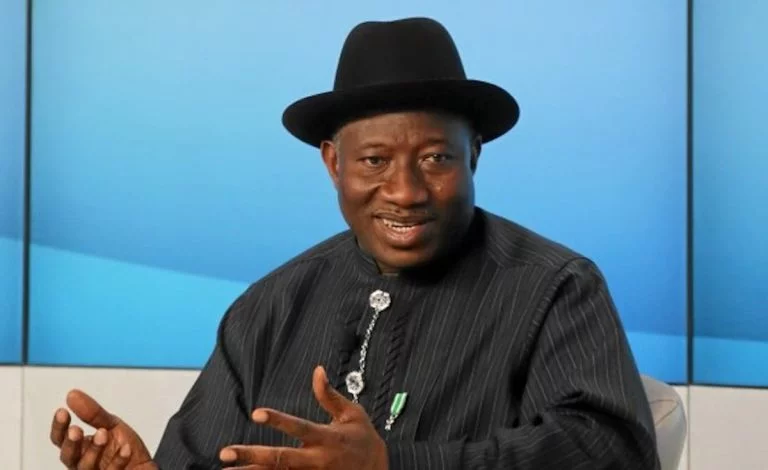
His entry could temporarily stabilise the party, attract defectors and restore relevance. However, it also raises questions about whether the PDP is relying too heavily on nostalgia instead of cultivating a new generation of leadership.
The deeper issue confronting the party is whether zoning is being used as a genuine reform tool or merely as an electoral tactic. Without clear internal reconciliation, credible leadership structures and a coherent message to voters, zoning risks becoming a cosmetic solution. Many voters already see the PDP as reactive rather than strategic, often correcting mistakes only after suffering their consequences.
Zoning to the South is necessary for the PDP’s survival, but it is not a magic cure. The party is not beyond saving, but time is no longer on its side. If zoning is not matched with discipline, unity and credible internal reforms, it may only postpone an inevitable decline rather than reverse it.