- Spain has introduced border checks on air and sea travel from Italy amid an escalating dispute over migration
- Italy had earlier imposed similar restrictions following the arrival of thousands of migrants in Spain’s Ceuta enclave
- The two countries remain divided over the Schengen rules and concerns about a possible new wave of migrant arrivals
Spain has introduced temporary border controls on travellers arriving by air and sea from Italy, escalating a dispute between the two European Union members over migration and security.
Eko Hot Blog gathered that the restrictions took effect at midnight and are scheduled to remain in place for one month.
EDITOR’S PICK
- How Lagos Achieved 57.4% Exclusive Breastfeeding Rate
- Shaibu Lists Nigeria’s Biggest Security Challenges
- Vote, Protect Your Mandate, Governor Adeleke Urges Residents Ahead of August 15 Polls
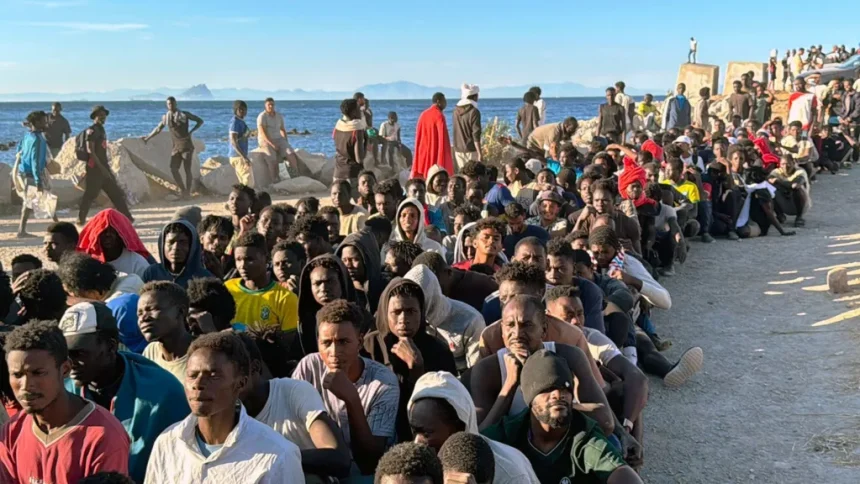
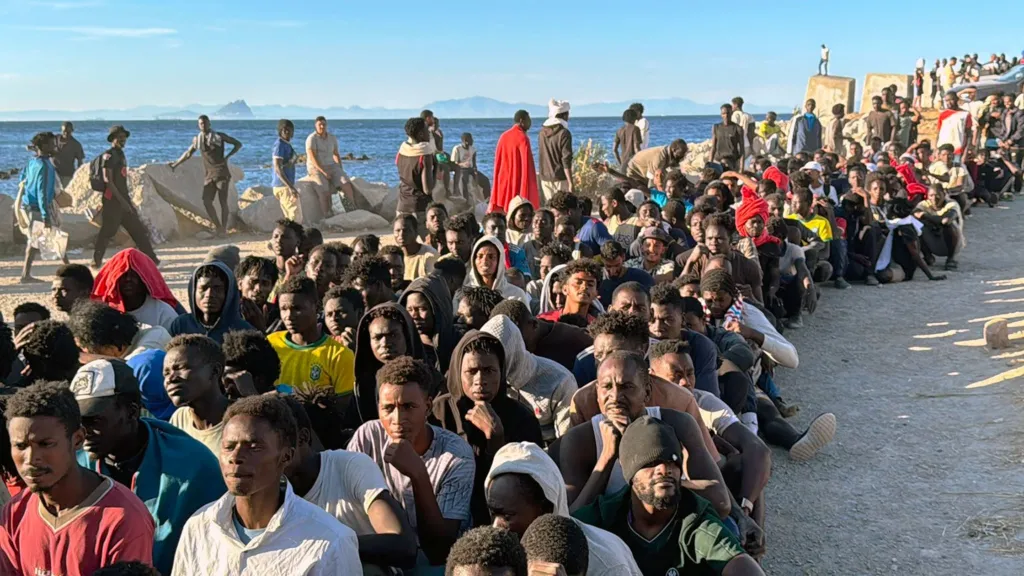
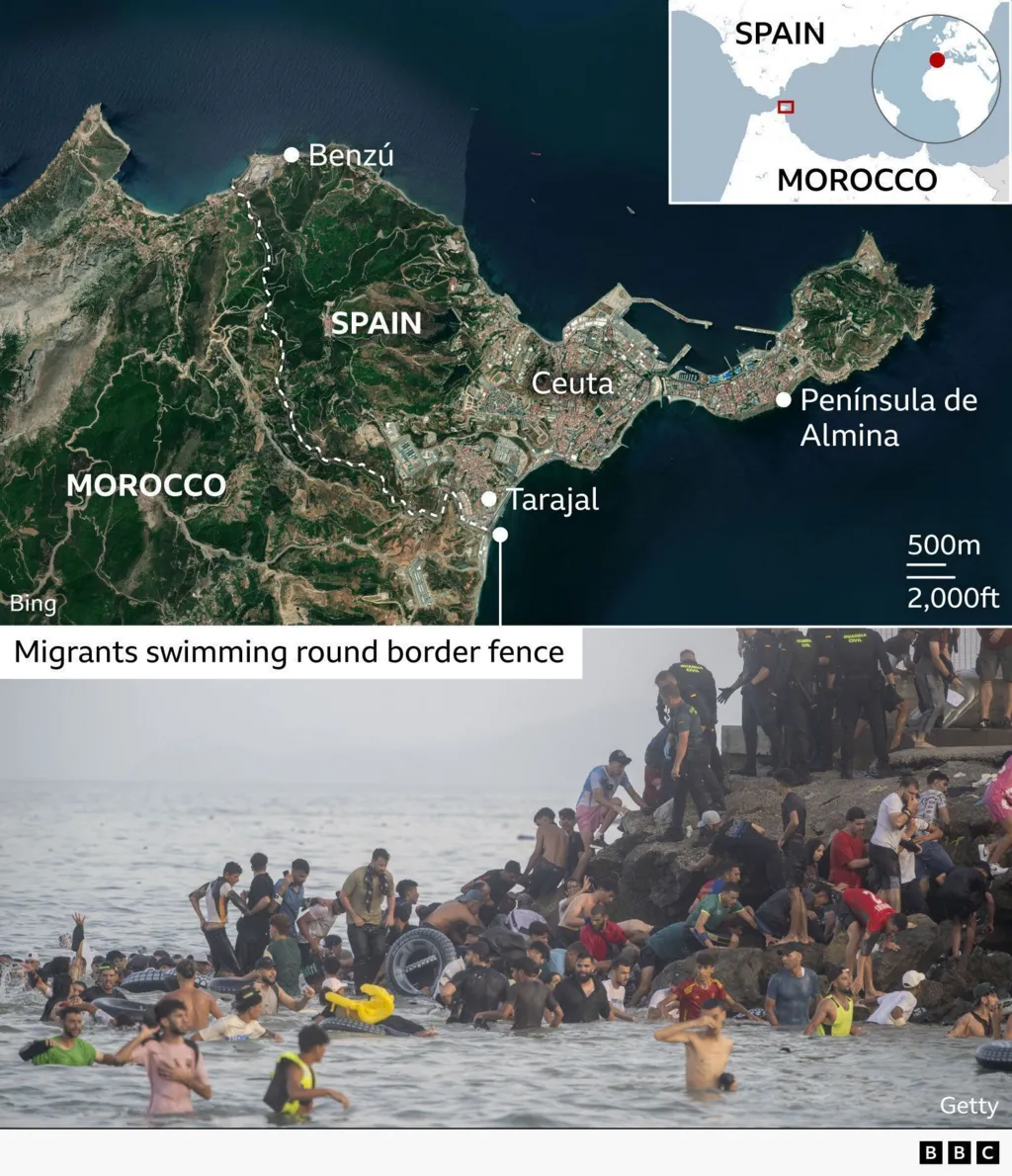
The move comes about a week after Italy imposed similar checks on travellers arriving from Spain following the arrival of tens of thousands of migrants in Spain’s North African territory of Ceuta.
Madrid has demanded that Rome lift its restrictions, giving Italy until Sunday to reverse the measure. Italy, however, said its checks would remain at least until August 15, citing concerns over a possible fresh influx of migrants into Ceuta.
The dispute has brought Spanish Prime Minister Pedro Sanchez into conflict with Italian Prime Minister Giorgia Meloni, whose government has consistently advocated tougher European migration policies.
Italy suspended aspects of the Schengen free-movement arrangement for certain non-EU nationals arriving from Spain. Rome said the measure was intended to prevent migrants who entered Ceuta from moving onward to Italy.
Spanish authorities rejected that justification, arguing that the migrants who entered Ceuta had no direct route into the Schengen area and describing Italy’s reasoning as unfounded.
Responding to Madrid’s demand, the Italian government said it would not accept what it described as an ultimatum. Rome maintained that the additional controls would continue until security and terrorism concerns had been adequately addressed.
Italian authorities said Spanish citizens would not be subjected to the additional checks, which apply to non-EU travellers. However, reports have indicated that the measures have caused delays and long queues at some Italian airports, with passengers arriving from Spain being directed to designated screening areas.
Spain’s new controls require passport, nationality and visa checks for travellers arriving from Italy. The government said the measure was necessary because of continuing irregular migration pressure and would remain in effect until September 7 unless circumstances change.
The latest dispute follows a major migration crisis in Ceuta, where about 78,000 migrants reportedly entered the Spanish territory from Morocco last week. Most were subsequently returned to Morocco, although around 1,400 minors remain in Ceuta.
Nearly 100 people are believed to have died during the crossings.
Spain has not confirmed that another large-scale attempt to enter Ceuta is imminent. However, social media posts have circulated calls for another crossing in August, prompting authorities to monitor the situation closely.
Spanish officials have said they do not currently expect a repeat of the previous mass crossing. The European Union has also suggested that criminal networks and misinformation may have contributed to the sudden movement of migrants.
The crisis has been further complicated by a Spanish Supreme Court ruling that migrants intercepted at sea while attempting to reach Ceuta or Melilla cannot automatically be returned to Morocco.
Moroccan officials have criticised the ruling, arguing that it weakened the deterrent effect of border controls.
Ceuta and the Spanish enclave of Melilla have long been sources of tension between Spain and Morocco, which disputes Spanish sovereignty over the territories.
The latest border measures have therefore added another layer to the wider disagreement over migration policy, security and the futureof free movement within Europe.
FURTHER READING