- Instead, he said Britain would remain outside the conflict and focus on efforts to reopen the Strait of Hormuz
- Starmer reiterated that targeting civilians in such rhetoric was unacceptable
- He also announced that Britain and France would convene a summit aimed at finding a diplomatic solution
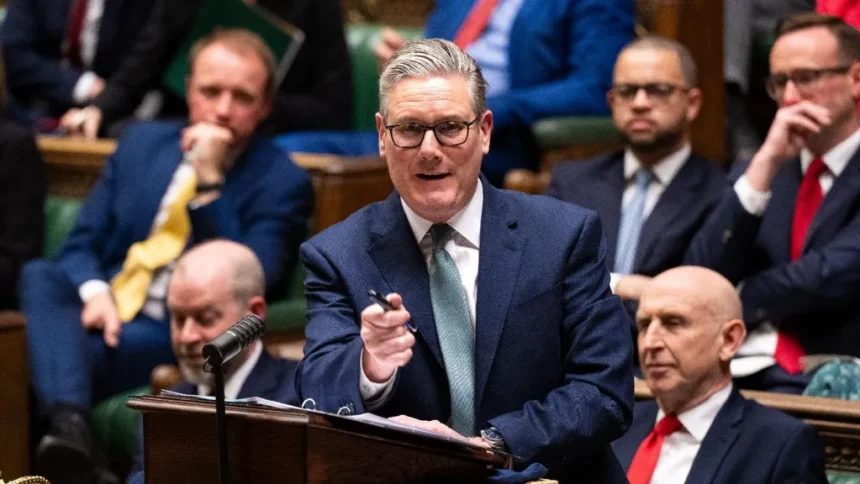
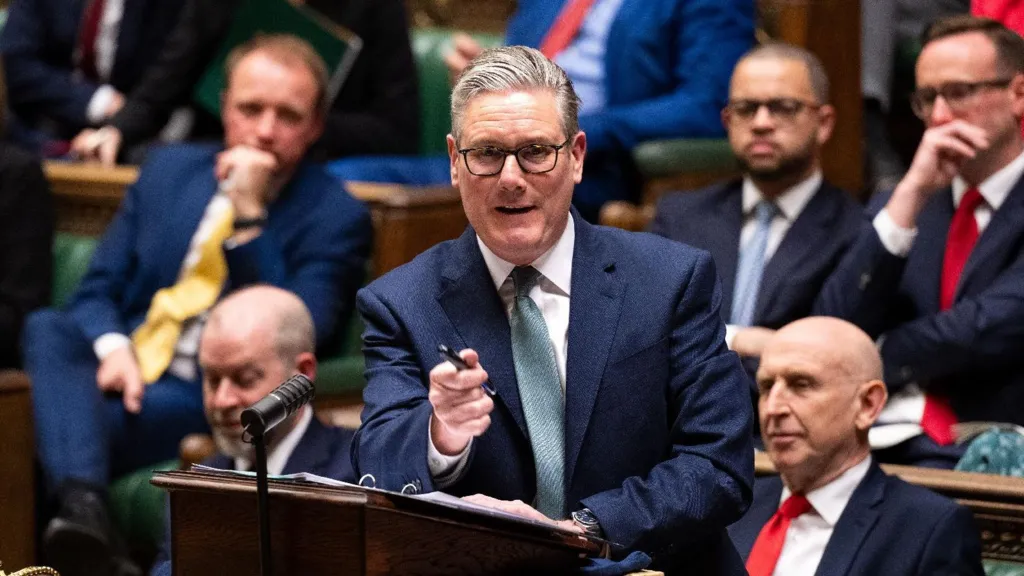
Keir Starmer has criticised comments made by Donald Trump, saying a warning that an entire civilisation could be wiped out if Iran failed to end the conflict was inappropriate.
Speaking in Parliament, Eko Hot Blog reports that the prime minister made it clear he would not have used such language.
EDITOR’S PICK
- Interior Ministry Orders Immediate Deactivation of Passports for Former Citizens
- Iran Sets Conditions as US Warns Ahead of Talks
- 7 Things People Over 50 Should Do Every Morning for Better Health
His remarks came as he confirmed that the UK would not participate in enforcing a planned US naval blockade targeting Iranian ports.
Instead, he said Britain would remain outside the conflict and focus on efforts to reopen the Strait of Hormuz, a critical global trade corridor.
Shortly after Trump issued his warning earlier in April, Washington and Tehran agreed to a temporary two-week ceasefire.
Despite this, tensions remain high, with Israel continuing military operations in Lebanon and Iran maintaining restrictions on access through the strait.
Following unsuccessful peace talks over the weekend, Trump announced plans for a blockade to stop vessels from entering or leaving the waterway.
In a post on his Truth Social platform, he also warned that any Iranian naval forces approaching US ships would be destroyed.
Reacting to the situation, Ed Davey criticised Trump’s stance, calling it dangerous and outside the norms of international law. He warned that imposing a blockade could worsen the crisis and threaten the fragile ceasefire.
Starmer reiterated that targeting civilians in such rhetoric was unacceptable, stressing that the UK’s position would remain guided by its principles.
He also announced that Britain and France would convene a summit aimed at finding a diplomatic solution, restoring safe passage through the strait, and planning future security support for shipping.
Meanwhile, Kemi Badenoch backed the diplomatic initiative but urged stronger action. She called on the government to advance defence spending plans and expand domestic oil and gas production to reduce exposure to global energy disruptions.
The ongoing conflict has significantly impacted global energy markets. The Strait of Hormuz, which handles roughly a fifth of the world’s oil and liquefied natural gas shipments, has seen restricted access since fighting escalated in late February.
Although some vessels have been allowed through, the tensions, and the prospect of a blockade, have driven up oil prices and increased energy costs worldwide.
FURTHER READING