The cultural identity of Epe Division is deeply rooted in its vibrant array of traditional festivals, each reflecting the history, beliefs, and spiritual consciousness of its people. Across the towns and kingdoms that make up the division, these festivals serve as powerful expressions of unity, purification, thanksgiving, and cultural preservation.
EDITOR’S PICK
- Lagos Monarchs Partner Nigeria Security, Civil Defence Corps to Safeguard National Assets
- DSS Arrests Woman Over Alleged Ammunition Supply to Bandits in Kano
- Environmental Crackdown: Lagos Seals Access Bank Plc Facility in Oniru
In communities such as Noforija, Poka, Odo Egiri, Odomola, Igbooye, and the larger Epe community, the Kilajolu and Igodo festivals are widely celebrated. These festivals are symbolic of spiritual cleansing and communal renewal, featuring traditional rites, processions, prayers, and symbolic acts aimed at restoring peace, driving away negativity, and ushering in prosperity.
Adding to the cultural significance of Epe land is the Okosi Festival, a unique water-related celebration closely tied to the riverine nature of the community. As a coastal town, Epe maintains a deep spiritual relationship with water bodies, and the Okosi Festival reflects this connection.
It involves prayers, offerings, and rituals dedicated to water deities, seeking protection for fishermen, safe journeys on the waterways, and abundant blessings from the aquatic environment. The festival also symbolizes life, sustenance, and continuity, as water remains central to the livelihood and identity of the people.
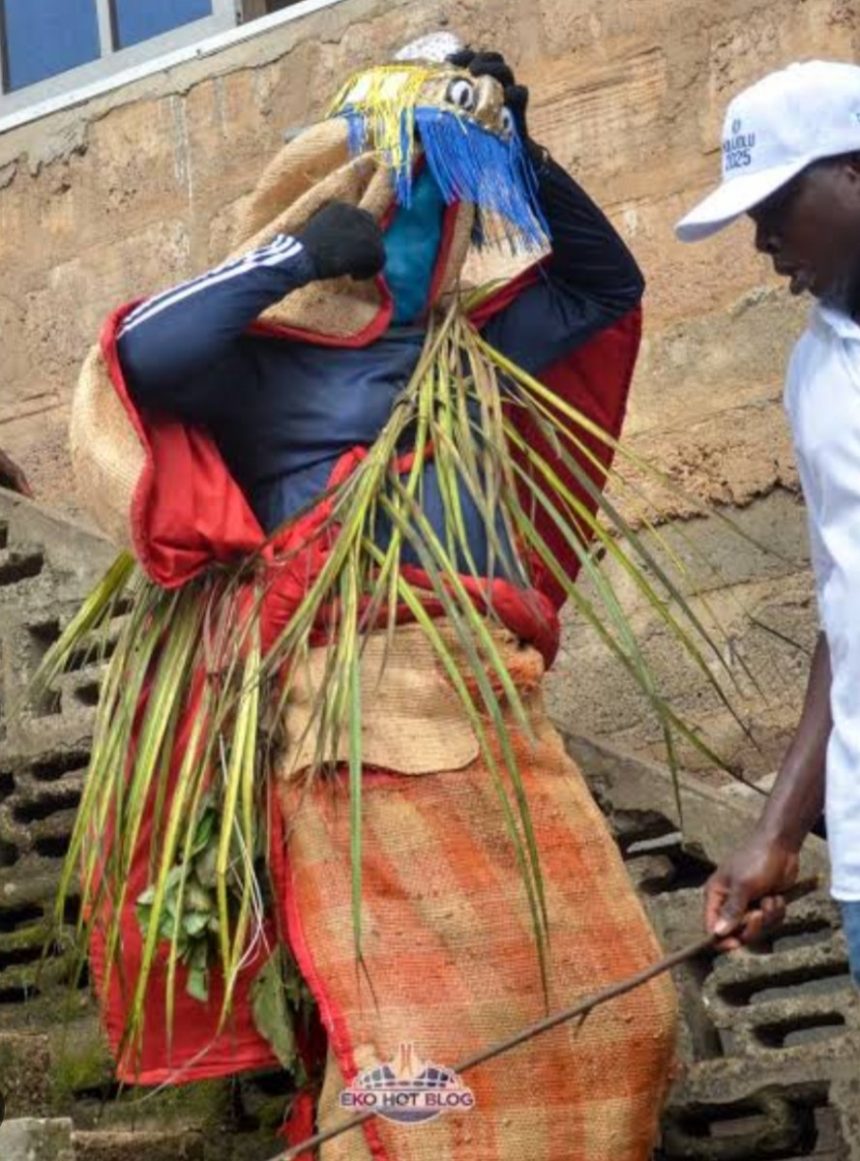
In Odo Ayandelu, the Agemo and Oro festivals hold a central place in the spiritual life of the people. The Agemo masquerades, adorned in symbolic costumes, perform sacred dances believed to cleanse the land and invoke divine favour.
The Oro festival, marked by solemn rites and strict observances, reinforces discipline, purification, and the preservation of moral and cultural order within the community.
Similarly, in Ladaba Kingdom, the Obaoluaye and Aje festivals reflect deep spiritual and socio-economic values. While Obaoluaye emphasizes reverence for traditional authority and ancestral guidance, Aje is associated with wealth, commerce, and prosperity, with offerings made to attract economic growth and stability.
One of the most remarkable features of festivals across Epe Division is the spirit of unity among traditional rulers. Monarchs deliberately schedule their festivals at different times, allowing them to attend and support one another. This practice not only strengthens inter-community relationships but also fosters harmony and mutual respect among the kingdoms.
These festivals are characterized by colourful displays of culture—masquerades, drumming, chanting, traditional attire, and symbolic rituals. They also serve as homecoming events, drawing indigenes from across Nigeria and the diaspora, while attracting visitors and cultural enthusiasts who come to witness the richness of Epe’s heritage.
Beyond celebration, these festivals play a vital role in preserving history, passing down values, and reinforcing communal identity among younger generations. They remain a powerful reminder that culture is a living legacy that must be protected and celebrated.
In essence, the festivals of Epe Division—Kilajolu, Igodo, Eebi, Okosi, Agemo, Oro, Obaoluaye, and Aje—stand as enduring symbols of spirituality, unity, and cultural pride, continuing to shape the identity and future of the people.