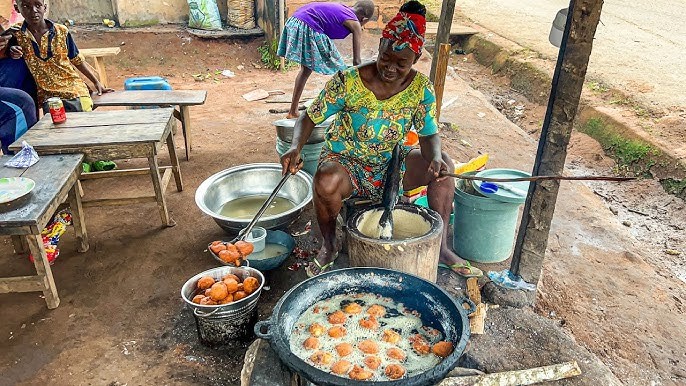
Across Nigeria, street food is woven into daily life, from popular akara and moi-moi at bus stops to grilled suya after work and smoked fish at markets, millions of Nigerians depend on informal food vendors for their meals. For many low‑ and middle‑income earners in urban centres, these foods are affordable and convenient. But the very things that make street food accessible also pose significant health risks, particularly when preparation and handling fall short of basic safety practices.
Studies estimate that foodborne illnesses in Nigeria reach into the hundreds of millions of cases annually, with as many as 173 million instances of foodborne disease and 33,000 deaths each year linked to contaminated food. Some research even warns that up to 20,000 Nigerians die each year from food poisoning and related illnesses, many of which are tied to unsafe street food consumption.
EDITOR’S PICKS
- Governor Ahmadu Fintiri Defects To APC As Atiku’s Son Refuses To Dump PDP
- Should Governors Have To Join Ruling Party for ‘Greater Federal Support’?
- FEDSA National Pays Courtesy Visit to Lekki LCDA Chairman, Applauds Free JAMB Initiative
Several factors make street food risky, including the lack of formal food safety training among many vendors. A 2024 study by the Department of Agriculture and Agricultural Technology at FUDMA found that street food vendors in Katsina State and other northern Nigerian states had low awareness of basic hygiene, with critical practices such as regular handwashing and maintaining clean food surfaces inconsistently applied
A separate analysis of foodborne disease patterns in Nigeria shows that over half of street food processors do not wash raw foods before preparation, and 40% do not practice proper hand hygiene. This lack of basic sanitation dramatically increases the likelihood of contamination by pathogenic microorganisms such as Salmonella, E. coli and Staphylococcus aureus.
Environmental factors make matters worse, street food is often prepared in open environments near busy roads where dust, vehicle emissions and pests are constant threats. Without clean water, sheltered food stalls, or waste disposal systems, contamination can occur at multiple stages from cooking to serving.
The immediate effects of consuming contaminated street food are well known. Food poisoning symptoms such as nausea, vomiting, diarrhoea and abdominal pain are common and can require medical care, especially in vulnerable populations like young children, the elderly and pregnant women.
But beyond acute sickness, long‑term health consequences are emerging. Repeated exposure to pathogens and environmental contaminants in street food can contribute to chronic conditions including kidney and liver damage, cardiovascular disease and even cancer. Recent health reporting connects unsafe food consumption with a rise in noncommunicable diseases such as liver cirrhosis and kidney failure in Nigeria.
In April 2015, a major food poisoning outbreak in Ibadan caused by Salmonella typhimurium linked to contaminated food sold in a community led to several hospitalisations and highlighted how quickly street food can turn deadly when public health infrastructure is weak.
Part of the risk lies in the fact that many street food vendors operate without licences or regular inspections by food safety authorities. Unlike formal restaurants, these vendors are often outside the purview of standard health checks, leaving a regulatory gap that allows unsafe practices to persist.
Experts argue that improving food safety requires a dual approach: equipping vendors with knowledge and tools for safe food handling and strengthening government oversight. Local councils need to provide designated vending zones with access to clean water, waste management and sanitation facilities. Vendors should be trained in food safety basics, from temperature control to cross‑contamination prevention.
Consumers also play a role. Nigerians who patronise street food can reduce their risk by choosing vendors who maintain cleanliness, display food at safe temperatures, and use separate utensils for raw and cooked foods. Eyes open to hygiene indicators like clean hands, covered food and safe water availability can mean the difference between nourishment and illness.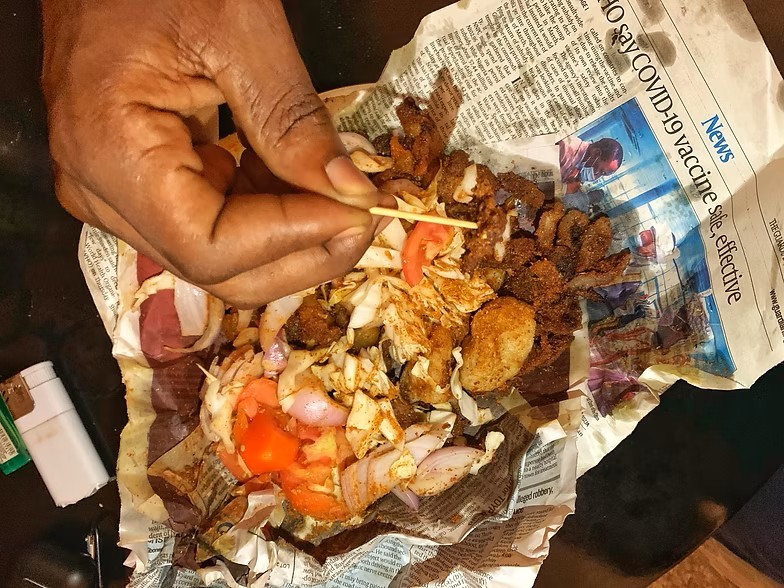
Street food will remain a staple of Nigerian life and it should not be dismissed outright. But its safety cannot be taken for granted. With better education for vendors, stronger regulation and informed consumer choices, the public health burden posed by unsafe street food can be significantly reduced. The convenience that street food offers should not come at the cost of Nigerians’ health and lives.
FURTHER READING
- Fire Breaks Out At Jama’a Emir’s Palace In Kaduna
- ‘Security Is Local’ – Tinubu Makes Fresh Case for State Policing
- Nigeria’s GDP Grows by 4.07% in Q4 2025, NBS Reports