- In a 6-3 landmark ruling, the Supreme Court declared that the president has the absolute authority to fire members of independent regulatory boards at will.
- The decision officially overturns Humphrey’s Executor, a 90-year-old New Deal precedent designed to shield federal watchdogs from political interference.
- While the ruling dramatically alters the structure of agencies like the FTC, the high court notably preserved the independence of the Federal Reserve for now.
The United States Supreme Court has delivered a sweeping victory to executive authority, fundamentally altering how independent federal agencies operate.
Eko Hot Blog reports that by a 6-3 majority, the high court ruled in Trump v. Slaughter that statutory removal protections for commissioners of the Federal Trade Commission are unconstitutional.
EDITOR’S PICK
- Hamzat Appoints Obanikoro as Campaign DG Ahead of 2027 Lagos Governorship Race
- Tinubu’s State Police Plan Gains Momentum as Amendment Looms
- Residents Raise Alarm After Two Bodies Found in Lagos Waterway
In doing so, the conservative majority dismantled a 90-year-old New Deal-era legal precedent that had long protected independent regulatory bodies from the political whims of the sitting president.
Writing for the majority, Chief Justice John Roberts articulated a vision of unitary executive power that rejects the notion of insulated federal watchdogs. Roberts argued that any official exercising significant executive power on behalf of the administration must answer directly to the president.
The decision firmly establishes that while the Senate retains the power to confirm high-level appointments, neither Congress nor the judiciary can force a president to retain subordinates with whom they cannot effectively work.
According to the court’s view, true accountability to the American public requires that subordinates remain removable at the will of the chief executive.
The immediate casualty of this legal transformation was Rebecca Kelly Slaughter, an FTC commissioner whose firing in March 2025 set off this high-stakes constitutional battle.
Appointed originally by Trump and later reappointed by Joe Biden, Slaughter was dismissed without cause under the justification that her priorities diverged from the incoming administration.
Lower federal courts initially blocked the termination, adhering to the long-standing 1935 precedent established in Humphrey’s Executor v. United States.
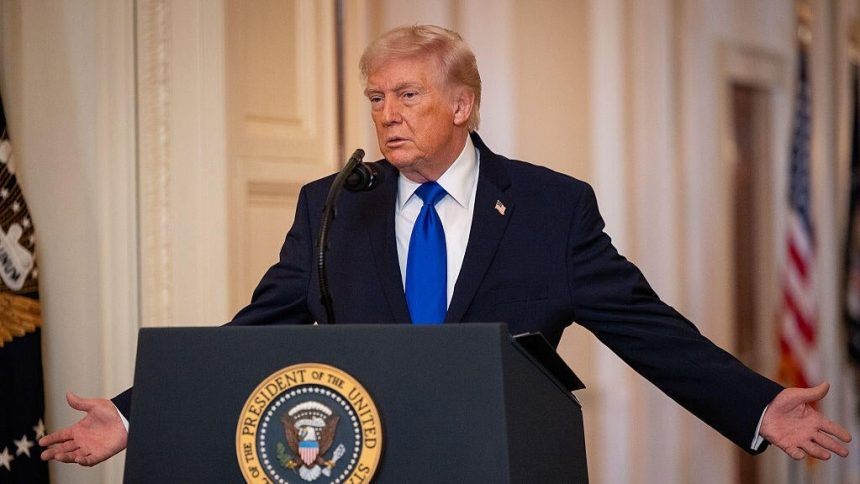
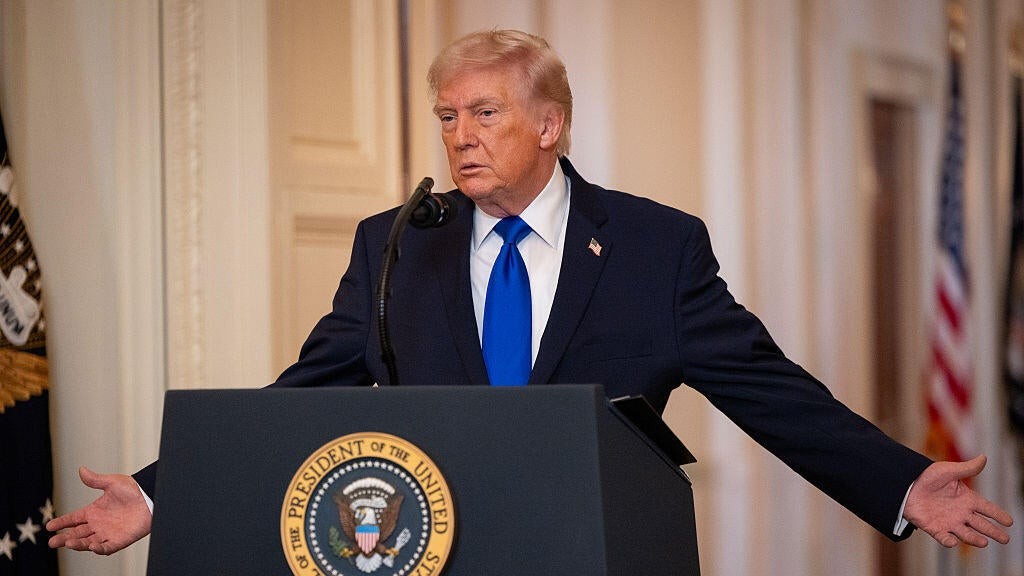
However, the Supreme Court’s intervention has permanently upended that protection, prompting celebration from President Trump, who hailed the decision as a monumental expansion of executive power.
The ramifications of this ruling will ripple across the federal landscape, potentially turning dozens of independent commissions into direct arms of the executive branch.
Multi-member bodies governing energy, nuclear safety, consumer products, and labor relations, such as the National Labor Relations Board and the Federal Energy Regulatory Commission, are now uniquely vulnerable to sweeping leadership overhauls whenever a new administration takes office.
In a passionate and rare oral summary delivered directly from the bench, Justice Sonia Sotomayor, joined by the court’s liberal minority, issued a stark warning about the future of American regulation.
She argued that the majority’s decision effectively hands an unprecedented amount of control over everyday American life directly to the White House.
By reshaping independent watchdogs into political subordinates, the minority fears that the objective, expert-driven nature of federal regulation will be swallowed by partisan cycles.
Interestingly, the Supreme Court chose to draw a protective boundary around the Federal Reserve.
Acknowledging its unique historical and quasi-private status, the court left the removal protections for Fed Board Governor Lisa Cook untouched for the time being.
This strategic omission provides a temporary sigh of relief for financial markets, though the broader reality remains clear: the traditional wall separating independent federal experts from raw political power has been decisively breached.