- Sylva’s media aide says reports on alleged coup plot are creating a misleading public narrative.
- He urges journalists to distinguish allegations from proven facts pending court proceedings.
- Bokoru warns against using leaked investigative materials to shape public opinion.
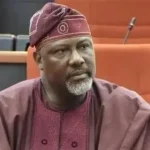
Chief Julius Bokoru, Special Assistant on Media and Public Affairs to former Minister of State for Petroleum Resources, Chief Timipre Sylva, has questioned the pattern of media reports linking his principal to an alleged coup plot, warning that repeated publication of unproven allegations could undermine the principles of fair journalism.
Eko Hot Blog reports Bokoru made his position known in a statement issued on Friday, where he argued that coverage of the allegations had gone beyond routine investigative reporting and appeared to reinforce a specific narrative against the former minister.
EDITOR’S PICK
- Tinubu Approves Army Expansion, Recruitment of 28,000 Personnel
- Aregbesola Claims Record as First Nigerian Governor to Serve Eight Years Without Owning a House
- Ikosi-Ejinrin LCDA Commissions Fully Equipped NSCDC Divisional Headquarters, Donates Patrol Vehicle and Motorcycle to Boost Security
Although he disclosed that he had not been able to establish contact with Sylva since the controversy began, Bokoru stressed that his comments were not intended to discourage investigative journalism.
He described Nigerian journalism as a vital institution that has historically held governments, institutions and influential individuals accountable, urging media organisations to uphold those standards by carefully scrutinising the sources and credibility of information before publication.
According to him, the allegations against Sylva have been repeatedly serialised and republished in ways that increasingly suggest a deliberate effort to shape public perception.
Bokoru questioned the origin and timing of the materials reportedly used as the basis for some of the reports.
He asked where the documents were coming from, who was releasing them, and why sensitive investigative materials were appearing in carefully timed instalments.
He also questioned why successive reports appeared to strengthen the same conclusion despite the allegations not having been tested in court.
While clarifying that he had no evidence to accuse any media organisation of acting on behalf of any individual or institution, Bokoru said the pattern of coverage raised legitimate questions about whether some outlets were independently pursuing stories or unknowingly advancing someone else’s narrative.
He maintained that allegations contained in investigative files should never be presented as established facts, insisting that only a competent court of law could determine guilt.
Bokoru emphasised that there was a clear distinction between allegations, investigative theories and judicial findings, noting that the three should never be treated as the same.
He further urged journalists covering the matter to ensure that any evidence against Sylva is properly examined through legal processes.
“If there are allegations, report them as allegations,” he said, adding that repeated publication of claims without judicial scrutiny risks turning the media into a court of public opinion where evidence is neither challenged nor tested.
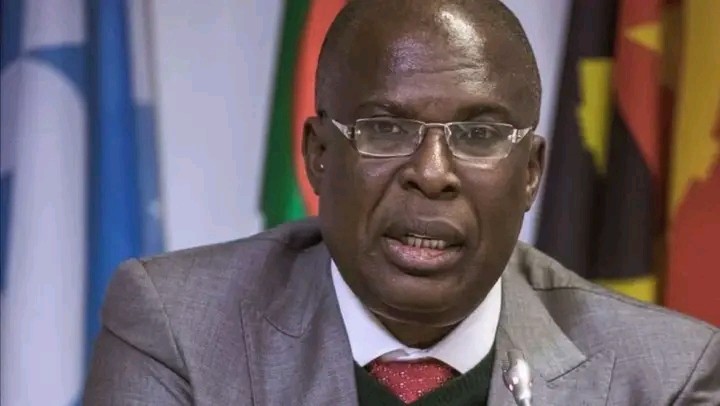
Bokoru also expressed concern that confidential investigative materials could be selectively leaked to influence public opinion, warning that such a development would require media organisations to examine whether they were being used as part of a wider information strategy.
He stressed that journalism must remain independent regardless of the identity or influence of sources supplying information.
According to him, Nigerians have the right not only to receive information but also to question the methods, timing, sources and editorial decisions behind reports on sensitive issues.
He concluded by urging the media to pursue the truth without becoming captive to political, governmental or security interests.
“The evidence should speak for itself. Repetition alone cannot transform an allegation into proof,” Bokoru said, reiterating his call for responsible and independent journalism.
FURTHER READING