
Epstein first faced serious legal consequences in 2008, when he pleaded guilty in Florida to soliciting a minor for prostitution. The sentence, 13 months with work release privileges, stunned many observers. Though he was required to register as a sex offender, critics argued that the plea deal reflected a system unusually accommodating to wealth and influence.
EDITOR’S PICK
- Grand Wedding Reception: Halimot, Saheed Mark Their Union
- Ikosi-Ejinrin LCDA Celebrates Former Chairman, Hon. Segun Adetola, on Birthday
- Sanwo-Olu Flags Off Free Eye Screening for 1,000 Lagos Police Officers
A decade later, the case roared back into national headlines. In July 2019, federal prosecutors in New York charged Epstein with sex trafficking minors and conspiracy to engage in sex trafficking minors. The indictment alleged he abused girls as young as 14 at his homes. He pleaded not guilty and faced up to 45 years in prison.
One month after his arrest, Epstein died by suicide in a Manhattan jail. The criminal case against him was dismissed shortly thereafter. But the documents collected during years of investigations, now widely known as the Epstein files, ensured that the story would not end there.
The File And The Network Of Power
The files span two major investigations between 2006 and 2019 and include victim testimony, witness interviews, financial records, emails, flight logs, and materials seized from properties.
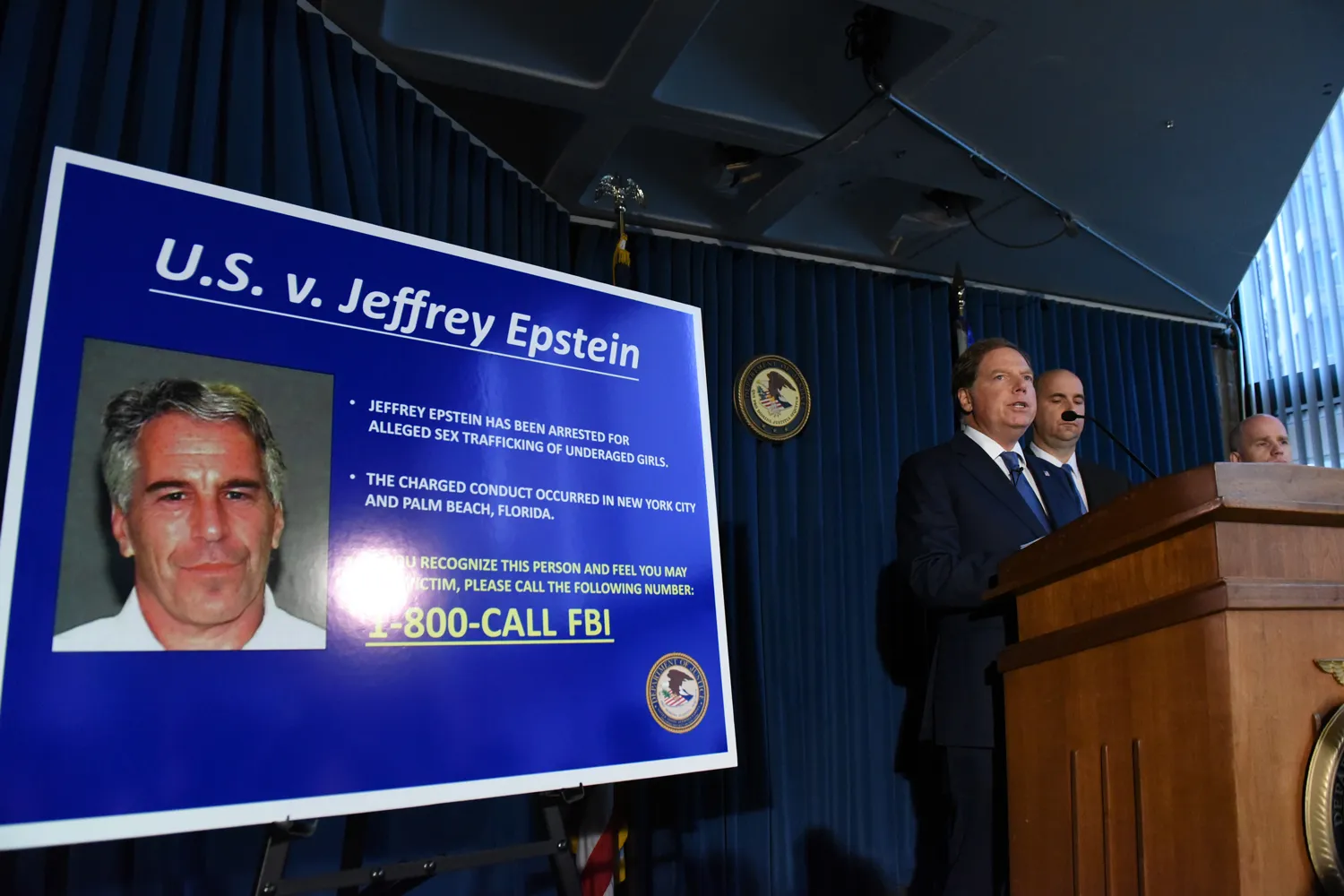
In 2025, portions were declassified by the Department of Justice and the FBI in what officials described as a phased release. Millions of pages have since entered public view, though not all material has been disclosed in full.
What the documents reveal is not a simple list of crimes, but a portrait of access. Epstein moved easily among the powerful. He surrounded himself with politicians, academics, business leaders, and entertainers.
Court filings and investigative records have mentioned figures including Donald Trump, Bill Clinton, and Prince Andrew, among others. Some individuals have faced allegations and denied wrongdoing, others were named in connection with travel logs or social associations, but were not accused of criminal conduct.
For many observers, the presence of high-profile names in the documents underscores a deeper issue: how elite networks operate. Money draws influence. Influence attracts more proximity to power. Even after Epstein’s 2008 conviction, some prominent figures continued to associate with him. That fact alone has fueled public outrage.
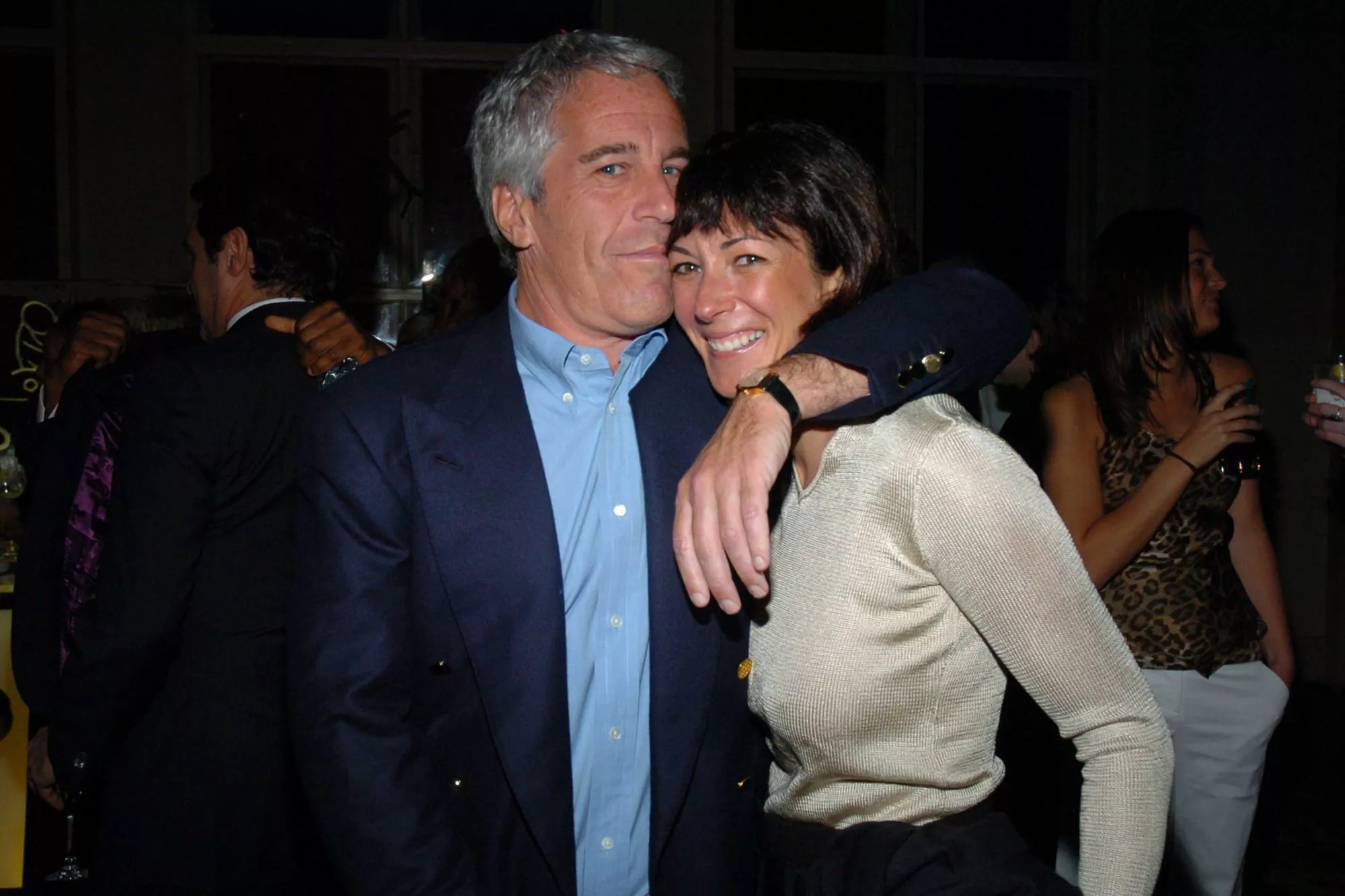
The case also led to the prosecution of Epstein’s longtime associate, Ghislaine Maxwell, who was convicted in 2021 of conspiring to traffic minors and is serving a 20 year federal sentence. Her conviction affirmed that Epstein’s activities were not conducted in isolation.
In recent months, the debate over the full release of the Epstein files has intensified. Members of Congress have sought broader disclosure, while the Justice Department has stated it does not plan to release additional materials beyond what has already been declassified. Officials have also said investigators found no verified client list used for blackmail, a claim that has done little to quiet public skepticism.
The controversy has also carried political weight. During the 2024 campaign, President Donald Trump pledged to consider transparency regarding the files. Subsequent reports that his name appeared multiple times in flight logs and documents, something he has publicly denied wrongdoing over, intensified partisan debate.
The administration has dismissed certain claims as politically motivated, while critics argue that partial releases only deepen mistrust.
Yet to frame the Epstein case solely as a political dispute risks missing its human core. At its center are the women who came forward, some describing abuse that began when they were teenagers from vulnerable backgrounds.
Their accounts reshaped the public narrative and forced institutions to confront uncomfortable truths about power, protection, and accountability.
Journalists reviewing the latest document releases say the new material adds context rather than dramatic revelations. The files provide deeper insight into how Epstein operated, who moved within his orbit,t and how institutions responded over time. They reinforce a troubling pattern:n, proximity to wealth can complicate scrutiny.
Today, the legal proceedings directly tied to Epstein himself are closed. Maxwell remains incarcerated. Millions of pages have been made public. But for many Americans, the case still feels unresolved. The demand is not only for documents, but for clarity, for a definitive accounting of what happened and who knew what, and when.
The Epstein scandal persists because it touches a nerve that extends beyond one man. It raises enduring questions about whether justice operates equally across social classes, whether influence can soften consequences, and whether transparency will ultimately prevail over secrecy.
Years after Epstein’s death, the files continue to surface, the names continue to circulate, and the public continues to ask the same question: Is this the full story, or only what the system is prepared to reveal?
FURTHER READING