Victor Osimhen arrived in Turkey as a football star. Less than two seasons later, he has become something much bigger: a commercial machine, a cultural icon, and arguably the face of modern Turkish football.
When Victor Osimhen completed his blockbuster move from SSC Napoli to Galatasaray in 2025, many across Europe questioned whether the transfer made sporting or financial sense. Turkey’s Super Lig had long struggled with perception problems. Europe’s elite leagues often treated it as a destination for ageing stars rather than a serious football powerhouse.
Today, that narrative is changing rapidly, and Osimhen is at the centre of it.
Galatasaray’s 4-2 title-winning comeback against Antalyaspor on Saturday night was not just another championship celebration. It marked the club’s 26th league title, their fourth consecutive crown, and further cemented Osimhen’s growing influence over Turkish football’s global image. Reports now suggest the Nigerian striker has become one of the most commercially valuable footballers ever to play in Turkey.
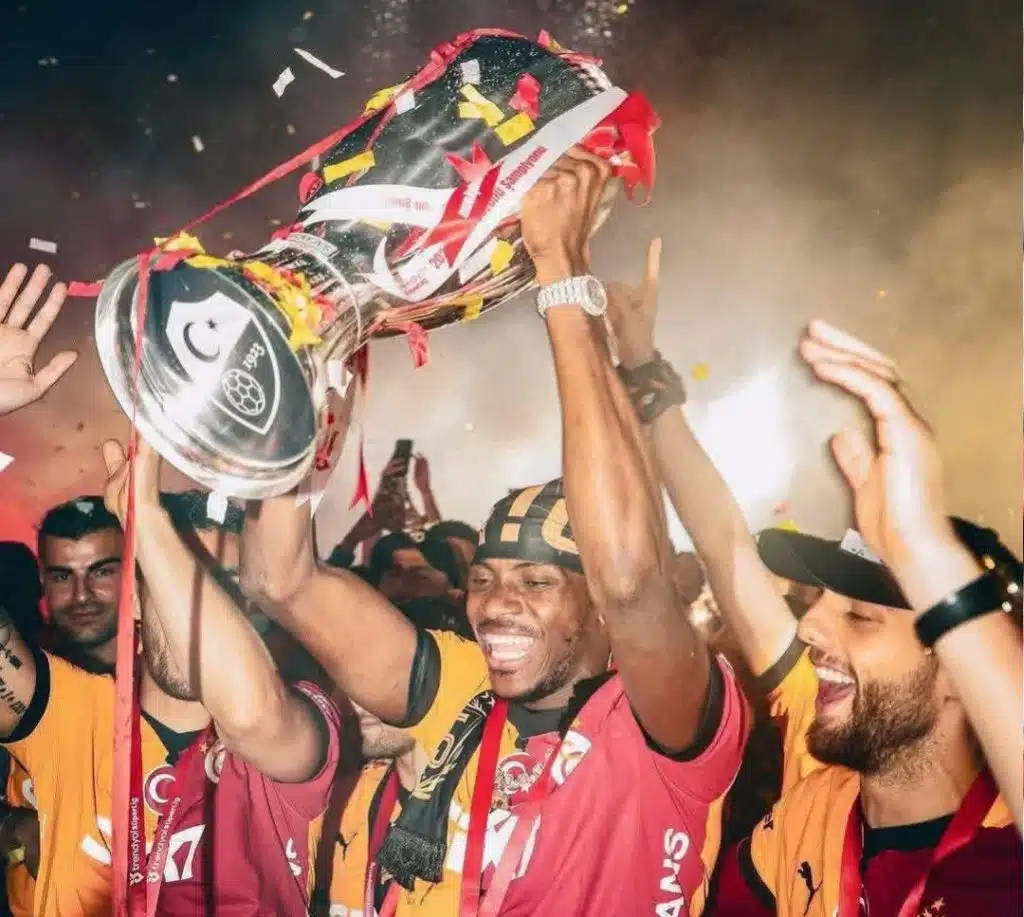
The numbers help explain why.
According to Transfermarkt, Galatasaray’s squad valuation climbed to €337 million this season, the highest in Turkish football history. Reports from Turkish and European media linked a major part of that increase directly to Osimhen’s arrival and performances.
The transfer itself shattered financial norms inside Turkish football. Galatasaray reportedly paid €75 million to secure Osimhen permanently from Napoli, making it the most expensive transfer in Turkish football history.
But what initially looked financially reckless has quickly transformed into a business success story.
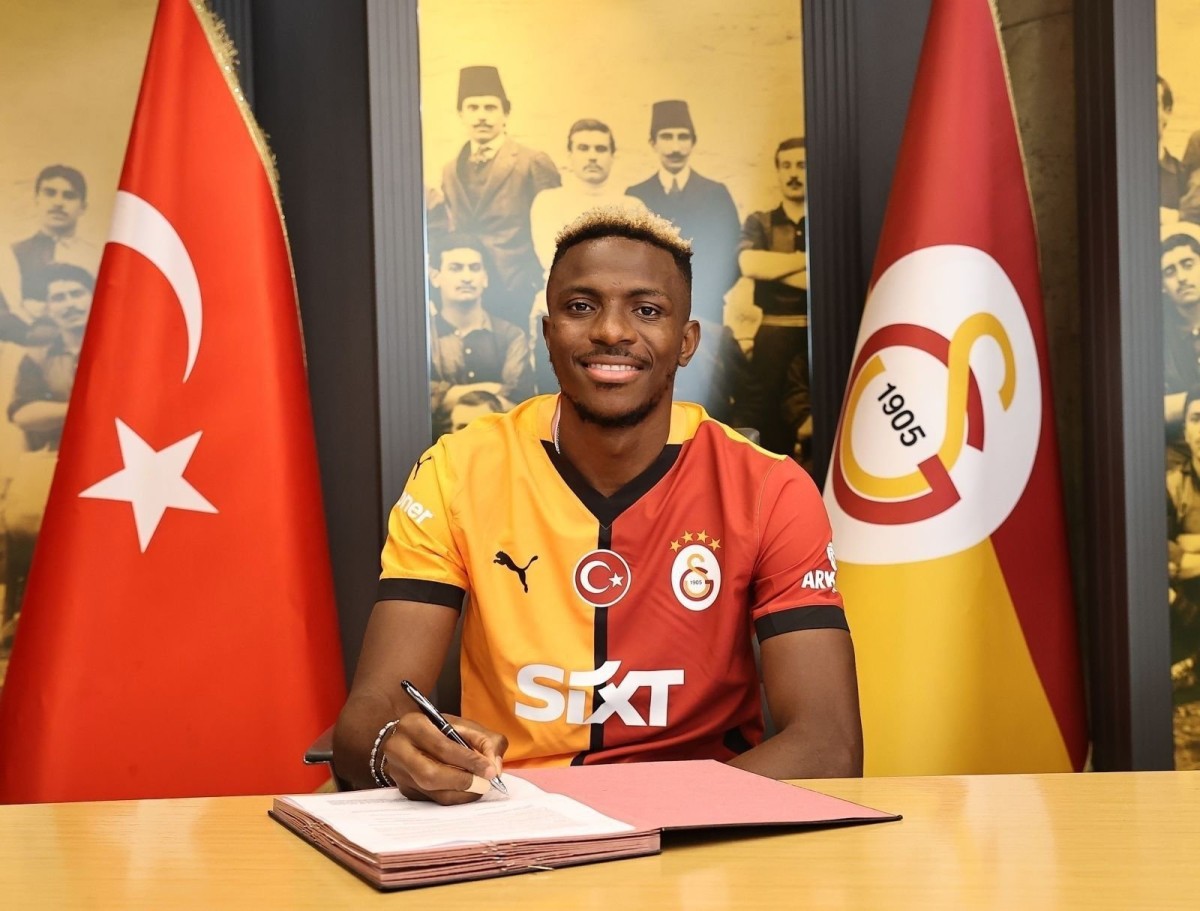
Turkish outlet Habertürk recently reported that Galatasaray had already generated enormous commercial returns connected to Osimhen through sponsorship agreements, premium hospitality sales, merchandise campaigns, and image rights partnerships. The club reportedly recovered major parts of his financial package through advertising deals alone.
One campaign built around the phrase “Solo Il Gala” reportedly became a major commercial success among supporters. Club executives also increased VIP box prices during renewal periods, leveraging what local reports described as the “Osimhen effect.”
The impact goes beyond money.
Across Nigeria and parts of Africa, Galatasaray’s visibility has exploded. Club vice-president Abdullah Kavukcu openly admitted that Osimhen significantly boosted Galatasaray’s digital engagement and global relevance, particularly among Nigerian fans.
Suddenly, Turkish football discussions began dominating Nigerian social media timelines. Galatasaray shirts became common sights in Lagos, Abuja, and Port Harcourt. Turkish league highlights began attracting millions of additional African viewers online.
For many fans, Osimhen’s connection with Galatasaray also feels emotional rather than transactional.
After difficult moments toward the end of his Napoli career, including public tensions and controversies, many supporters believe Istanbul gave him something footballers rarely find at elite clubs: unconditional love. That connection has transformed him into a cultural symbol inside Turkey.
Inside RAMS Park, Osimhen is no longer treated like a foreign superstar temporarily passing through. He is celebrated like one of their own.
Even rival supporters acknowledge his influence.
Spanish newspaper El País recently described him as “the new idol of Galatasaray,” highlighting how his goals, personality, and work rate have reshaped the club’s identity internationally.
His performances justify the hype.
This season alone, Osimhen has recorded goals or assists in 11 consecutive league appearances. In the UEFA Champions League, he produced seven goals and three assists in 10 matches.
Yet perhaps the most important part of this story is what it says about African footballers in modern Europe.
For decades, success was measured almost entirely through England, Spain, or Italy. Osimhen’s dominance in Turkey is challenging that hierarchy. Instead of fading outside Europe’s traditional top leagues, he has become bigger, louder, and more commercially powerful.
And in many ways, Turkish football rose with him.
FURTHER READING
- Nigerian Fraudster Admits Role in $50 Million Email Scam Network
- FG Begins Review of Agricultural Curricula to Bridge Skills Gap
- Mother Slumps, Dies While Escorting Daughter To UTME Centre In Ondo