- ThinkBusiness Africa: Tinubu Not Largest Borrower in Democratic Era
- Buhari Recorded Highest External Debt Increase, Not Tinubu
- Says Exchange Rate Devaluation Distorted Perception of Tinubu’s Borrowing
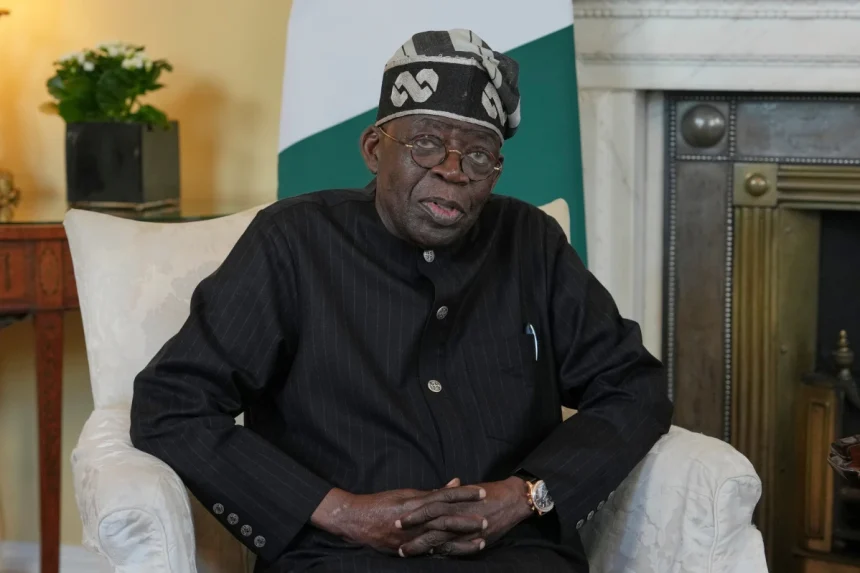
A new report has challenged claims that President Bola Tinubu is Nigeria’s biggest borrower since the country returned to democratic rule in 1999, arguing that available debt records do not support such assertions.
Eko Hot Blog reports that the report, titled “Who Borrowed Most? Nigeria’s Presidential Debt Record 1999–2025” and published by ThinkBusiness Africa Ltd, stated that the largest increase in Nigeria’s external debt stock during the democratic era occurred under former President Muhammadu Buhari.
EDITOR’S PICK
- Hamzat Appoints Obanikoro as Campaign DG Ahead of 2027 Lagos Governorship Race
- Tinubu’s State Police Plan Gains Momentum as Amendment Looms
- Residents Raise Alarm After Two Bodies Found in Lagos Waterway
According to the report, Nigeria’s external debt stood at approximately $42.5 billion when Tinubu assumed office in May 2023 and rose to about $51.9 billion by December 2025, representing an increase of roughly $9.4 billion.
In contrast, the report noted that Nigeria’s external debt increased from about $10.3 billion in 2015 to nearly $42.9 billion by 2023 under Buhari, translating to a rise of about $32.6 billion.
“The evidence indicates that the largest increase in Nigeria’s external debt stock in the democratic era occurred between 2015 and 2023,” the report stated.
The analysis argued that much of the criticism directed at the current administration stems from the sharp rise in debt figures when measured in naira, following the depreciation of the currency after the foreign exchange reforms introduced in June 2023.
According to the report, external debt should be assessed primarily in dollar terms since the obligations are contracted and repaid in foreign currencies. It explained that the debt inherited by the Tinubu administration appeared significantly larger in naira value after the exchange rate adjustment, even though the underlying foreign debt stock remained largely unchanged.
The report stressed that this increase was largely a valuation effect rather than evidence of massive new borrowing.
It also reviewed the debt records of previous administrations, noting that former President Olusegun Obasanjo reduced Nigeria’s external debt from $28.04 billion in 1999 to $2.11 billion in 2007, largely due to debt relief and repayments.
Former President Umaru Musa Yar’Adua recorded an increase of about $1.39 billion, while former President Goodluck Jonathan’s administration added approximately $3.8 billion to the external debt stock.
Beyond external borrowing, the report examined domestic debt trends and found that domestic debt declined from about $65.6 billion in the first quarter of 2023 to around $59.1 billion by the end of 2025, representing a reduction of roughly $6.5 billion in dollar terms.
It noted that when both domestic and external debt are combined, Nigeria’s total public debt increased by only about $2.7 billion between early 2023 and the end of 2025, despite the sharp rise in debt figures expressed in naira.
The report also pointed to the securitisation of N23.9 trillion Ways and Means advances accumulated under the previous administration, explaining that part of the increase in debt figures reflected accounting adjustments rather than fresh borrowing.
While disputing claims that Tinubu is Nigeria’s largest borrower, the report warned that the country’s major fiscal challenge lies in the rising cost of servicing debt.
According to the analysis, debt servicing continues to consume a significant portion of government revenue, limiting funds available for infrastructure development, education, healthcare, security and social welfare programmes.
The report concluded that public discussions should move beyond headline debt figures and focus instead on debt sustainability, revenue generation, fiscal discipline and strategies for managing existing obligations.
FURTHER READING
- Seyi Makinde Restricts Motorcycle Operations Over Rising Insecurity in Oyo
- Lagos Launches Digital Planning Permit System to Boost Urban Development
- Ogun Police Arrest Seven Suspects in Multi-Location Crime Crackdown
Click here to watch video of the week