In recent days, fears of an impending pandemic have been spreading on social media after news emerged that three people had died from Hantavirus aboard a cruise ship sailing the Atlantic Ocean.
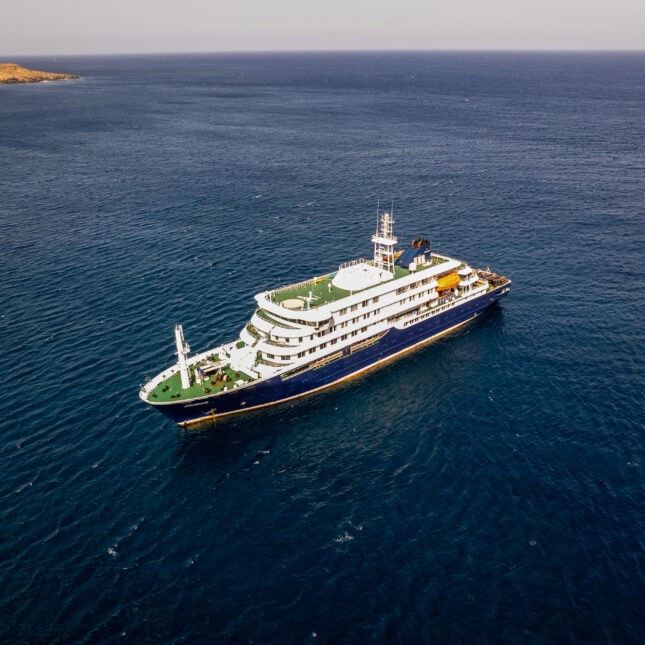
The outbreak, centred on the Dutch expedition vessel MV Hondius, has set off a global contact-tracing emergency, with health authorities in more than a dozen countries scrambling to locate passengers who had already disembarked and dispersed across the world before the virus was identified.
EDITOR’S PICKS
The MV Hondius departed Ushuaia, in southern Argentina, on April 1, 2026, carrying 149 passengers and crew from 23 countries. Within weeks, people were dead, a critically ill patient had been airlifted to an intensive care unit in South Africa, and the ship was effectively stranded after the president of the Canary Islands refused to let it dock in Tenerife, saying he could not allow it to enter, while the WHO fired back that Spain had a moral and legal obligation to receive the vessel.
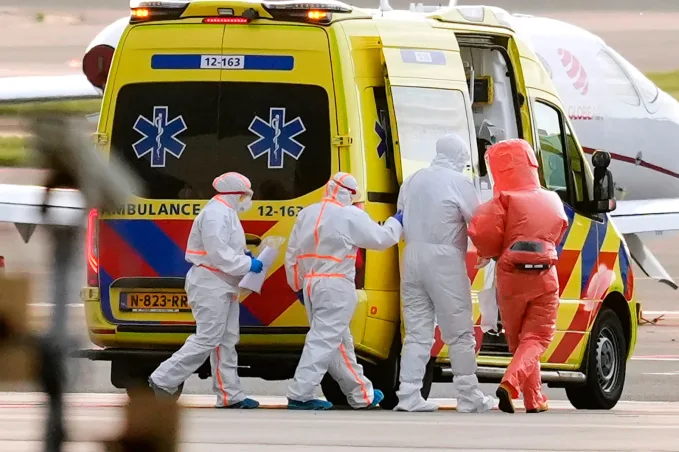
The optics — hazmat-suited medics, a drifting ship, governments slamming their doors — were enough to stir painful memories of the early days of COVID-19.
By Thursday, eight confirmed cases had been recorded and the word “pandemic” was trending online.
What is Hantavirus?
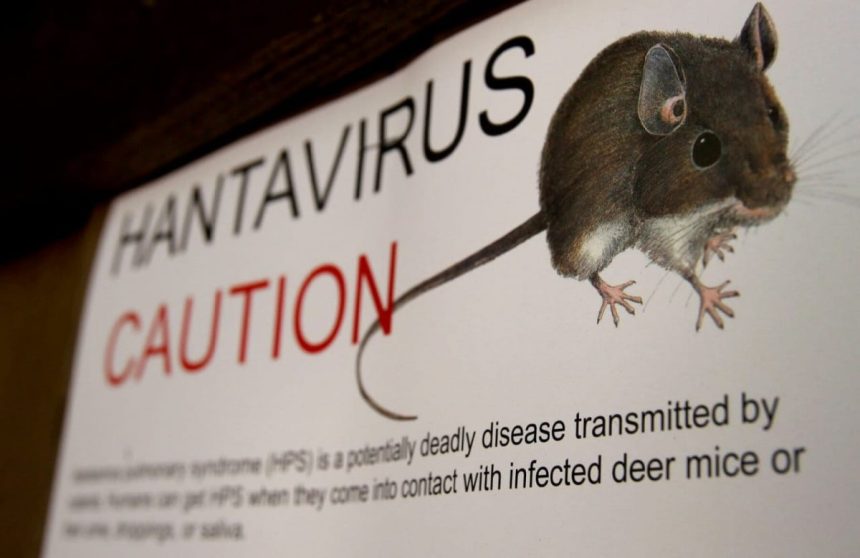
Hantavirus is a family of viruses primarily carried by rodents. Humans get infected through contact with the urine, droppings or saliva of infected animals. High-risk activities include cleaning poorly ventilated or enclosed spaces, farming, forestry work, and sleeping in rodent-infested buildings.
The virus has been known to science for decades, causing sporadic cases mostly in rural South America, Europe and Asia. It has never triggered a global outbreak.
Why this strain is different
Not all hantaviruses behave the same way. The strain identified in this outbreak is the Andes virus, the only known strain capable of spreading between humans.
When human-to-human transmission occurs, it has been linked to close and prolonged contact, particularly among household members or intimate partners, and appears most likely during the early phase of illness.
Sitting near an infected person on public transport, for instance, is not considered a transmission risk. The Andes virus is also exceptionally lethal: it carries a fatality rate of approximately 35 to 50 percent in severe cases, far higher than COVID-19’s global average.
How did it get on the ship?
The leading hypothesis is that the first two victims — a Dutch couple — contracted the virus during a birdwatching trip through Argentina, Chile and Uruguay before boarding. They had visited sites where the rat species known to carry the Andes strain is present. Because hantavirus incubates for one to six weeks before symptoms appear, they were almost certainly already infected when they boarded on April 1.
Argentine authorities are now trapping and testing rodents along the couple’s travel route.
Symptoms and treatment
Symptoms typically begin between one and eight weeks after exposure and include fever, headache, muscle aches, and gastrointestinal problems. Severe cases progress rapidly to pneumonia, acute respiratory distress and shock.
There is no effective antiviral treatment. Supportive hospital care is the primary means of improving a patient’s chance of survival.
No vaccine is widely available, and experimental candidates remain years from any broad rollout.
Should the world be worried?
Both the World Health Organisation (WHO) has assessed the risk to the general public as extremely low, and experts say the Andes strain has historically only spread between people in very close proximity, never triggering a widespread outbreak.
So far, eight cases of #hantavirus have been reported, including three deaths.
While this is a serious incident, @WHO assesses the public health risk as low.
WHO will continue to work with all relevant governments and partners to provide care for those who are affected, protect… pic.twitter.com/NEBHXrqurT
— Tedros Adhanom Ghebreyesus (@DrTedros) May 7, 2026
Unlike COVID-19, it does not travel through the air between strangers. What makes this situation unusual is the cruise ship setting — a confined space, passengers from 23 countries, ports on multiple continents — and the possibility that human-to-human transmission may have occurred beyond a single family unit for the first time. That is what scientists are watching closely.
FURTHER READING
The evidence, for now, points to a serious but contained medical emergency, not the beginning of another pandemic.
Philip Ibitoye is a Special Correspondent with EKO HOT BLOG. Click here to find daily analysis and critical insight on trending issues in Lagos and other parts of Nigeria.
Click to watch the video of the week below: