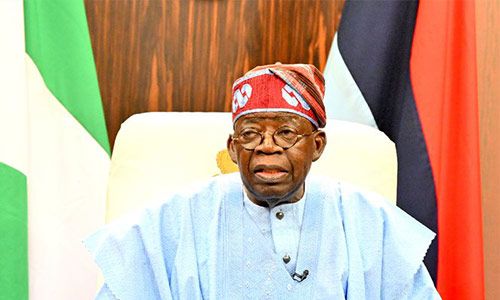
On Wednesday, President Bola Tinubu declared a nationwide security emergency in response to escalating attacks by terrorists, bandits, and other criminal actors across Nigeria.
The declaration came on the heels of a spate of abductions in parts of the country in just over a week. These incidents have seen hundreds of schoolchildren kidnapped by terrorists. Although some have regained their freedom, concerns continue to mount regarding the ease at which these violent actors have operated.
EDITOR’S PICKS
These concerns have prompted President Tinubu to turn to the security emergency to forestall future attacks.
“Today, in view of the emerging security situation, I have decided to declare a nationwide security emergency and order additional recruitment into the Armed Forces,” the President stated.
This declaration grants the federal government the authority to take extraordinary measures, including mobilising personnel, deploying forces to high-risk areas, and authorising the police and army to recruit more personnel.
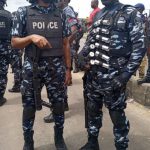
The police, for instance, will add 20,000 new officers, while military and forest security personnel will also be expanded to enhance operational capacity in vulnerable regions.
The declaration reflects both a reactive and proactive approach: while immediate deployment addresses urgent threats, the government is also expanding training and infrastructure. Existing officers withdrawn from VIP duties will undergo crash training, and NYSC camps will serve as temporary police training facilities, ensuring rapid preparedness for redeployment.
As President Tinubu emphasised, “There will be no more hiding places for agents of evil,” signalling an intent to close operational gaps exploited by criminals.
Operational, Legal, and Policy Dimensions
Under Nigeria’s constitutional and statutory framework, a security emergency activates a set of legally sanctioned powers. It essentially triggers an immediate reprioritisation of national deployments. Security agencies shift from routine operations to a crisis posture.
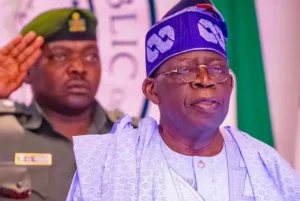
The President, as Commander-in-Chief, can direct the Nigeria Police Force, Armed Forces, and other agencies like the DSS to act decisively to restore order. Measures may include strategic deployment of personnel, temporary restrictions on certain activities, and coordinated operations across states.
The announcement also highlights intergovernmental collaboration and community involvement. President Tinubu urged states to consider establishing state police where necessary and called on religious institutions, schools, and communities in vulnerable areas to seek security protection.
Furthermore, his directive to use trained forest guards against bandits reflects an emphasis on targeted, intelligence-driven operations, rather than blanket militarisation. This integrated approach aims to strengthen security architecture while maintaining adherence to law and civil rights.
Strategic Implications and Sustainability
Beyond immediate security operations, the declaration carries broader policy and strategic implications.
The President linked the emergency to long-term conflict resolution initiatives, such as promoting ranching to reduce clashes between herders and farmers and improving coordination between federal and state governments.
“As Nigerians, we should all get involved in securing our nation,” he said, highlighting that sustainable security requires civic engagement alongside government action.
While increased recruitment and deployment provide a short-term boost in capacity, the sustainability of these measures depends on consistent funding, effective training, and community cooperation.
FURTHER READING
Additionally, legal oversight by the National Assembly and judiciary ensures that emergency measures remain within constitutional bounds, protecting citizens’ rights even in times of crisis. The declaration, therefore, represents a balance between urgent response, structural reform, and long-term policy planning in Nigeria’s ongoing struggle against insecurity.
Philip Ibitoye is a Special Correspondent with EKO HOT BLOG. Click here to find daily analysis and critical insight on trending issues in Lagos and other parts of Nigeria.
Click here to watch the video of the week below: