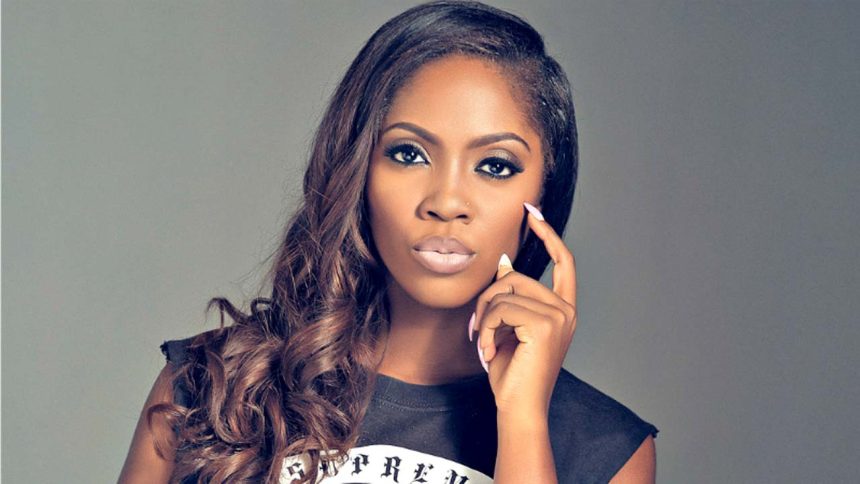
- She expressed strong displeasure over what she termed a long-running pattern of harassment disguised as commentary
- She warned that any further mention of her son would attract consequences beyond online exchanges
- Unamused by the comment, Savage responded directly, making it clear that references to her child were off-limits
Afrobeats powerhouse Tiwa Savage has drawn a firm line on social media after an online commentator dragged her son into public discussion, sparking a heated exchange that quickly caught public attention.
Eko Hot Blog reports that the singer reacted after an X (formerly Twitter) influencer known as Dami Foreign made a remark about her son, Jamil Balogun, questioning his expression in a post that many users found unnecessary and intrusive.
EDITOR’S PICK
- DDG Says Streaming Pays More Than Music
- NRC Records Massive Passenger Turnout as 50 Percent Festive Fare Discount Ends
- SERAP Urges Tinubu to Probe Alleged ₦128bn Power Funds
Unamused by the comment, Savage responded directly, making it clear that references to her child were off-limits.
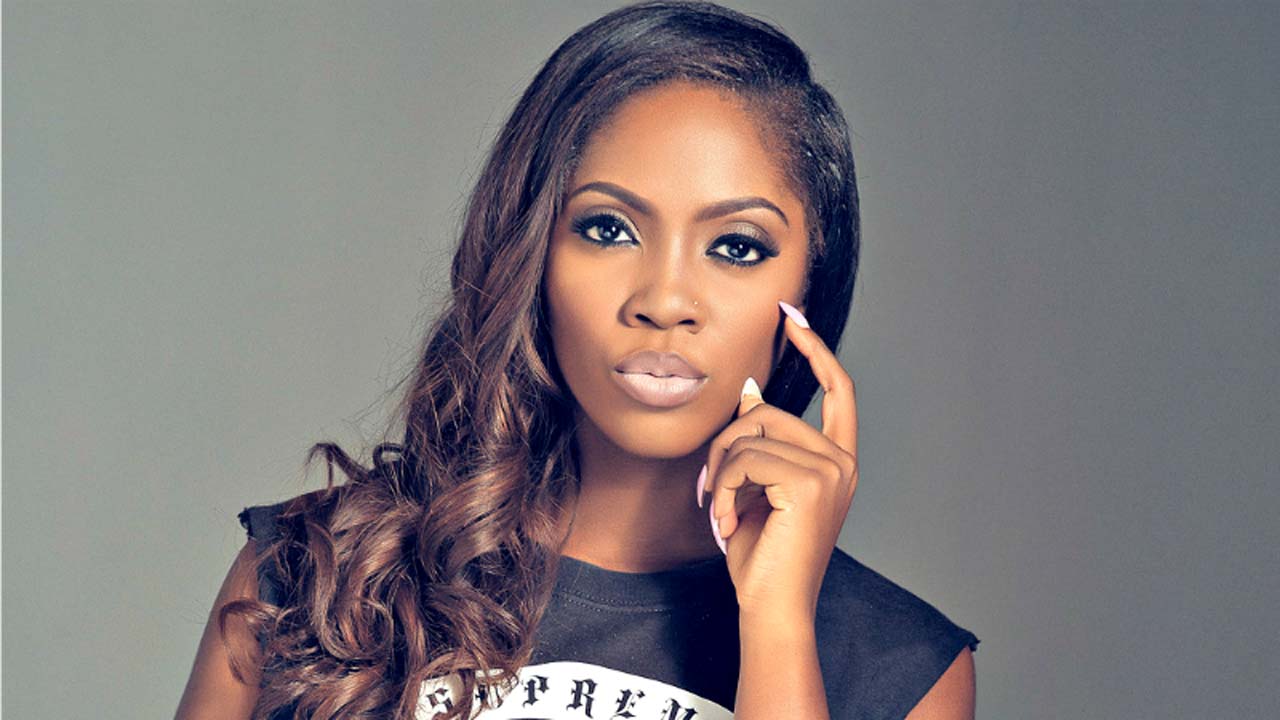
She warned that any further mention of her son would attract consequences beyond online exchanges, stressing that the situation would no longer remain a social media matter.
The award-winning artiste accused the influencer of persistently attacking her online and said she had chosen to ignore previous jabs. However, she insisted that involving her child crossed a boundary she would not tolerate.
In a series of posts, Savage also recalled earlier statements allegedly made by Dami Foreign, including remarks she described as hateful and disturbing.
She expressed strong displeasure over what she termed a long-running pattern of harassment disguised as commentary.
The influencer has previously posted comments questioning the singer’s age and relevance, with similar remarks surfacing at different times in 2025 and early 2026, further fueling perceptions of an ongoing feud.
Reacting to the situation, Savage dismissed what she described as an unhealthy fixation on her life and career, suggesting that the influencer’s repeated mentions were driven by a search for relevance.
The online confrontation quickly went viral, igniting conversations among users about personal boundaries, cyberbullying, and whether Nigeria’s popular “banter culture” sometimes goes too far, especially when children are dragged into public discourse.
FURTHER READING