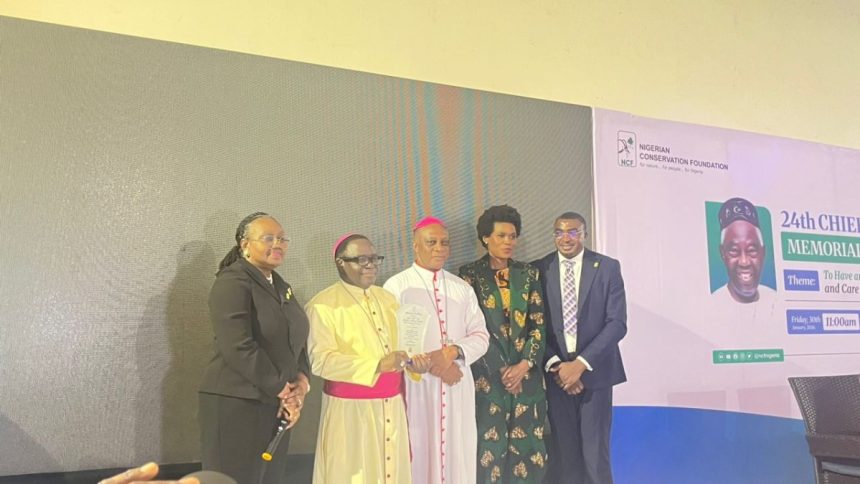
- Religious communities cannot afford to remain indifferent in the face of environmental degradation
- Speakers at the event called for the adoption of ecological spirituality
- The theme emphasises the shared responsibility of different religions in safeguarding the earth as a divine creation
The hall of Our Lady of Perpetual Help on Musa Yar’Adua Street, Victoria Island, Lagos, was enveloped in a reflective mood on Friday morning as religious leaders, environmental advocates and concerned citizens gathered for a solemn engagement on environmental responsibility.
Eko Hot Blog reports that the gathering formed part of the 24th edition of the Chief S.L. Edu Memorial Lecture, the flagship annual lecture of the Nigerian Conservation Foundation (NCF), held on January 30, 2026. Themed “To Have and To Hold: Faith and Care of the Environment,” the lecture focused on the intersection between religious responsibility and environmental sustainability.
EDITOR’S PICK
- Grand Wedding Reception: Halimot, Saheed Mark Their Union
- Ikosi-Ejinrin LCDA Celebrates Former Chairman, Hon. Segun Adetola, on Birthday
- Sanwo-Olu Flags Off Free Eye Screening for 1,000 Lagos Police Officers
Delivering the keynote address, Most Rev. Dr. Matthew Hassan Kukah, Bishop of the Catholic Diocese of Sokoto, emphasised that faith must extend beyond rituals and sermons to practical commitment toward protecting the environment.
According to him, religious communities cannot afford to remain indifferent in the face of environmental degradation. He stressed that the ecological crisis confronting the nation and the world is not only scientific or political but also deeply spiritual, requiring moral leadership and accountability.
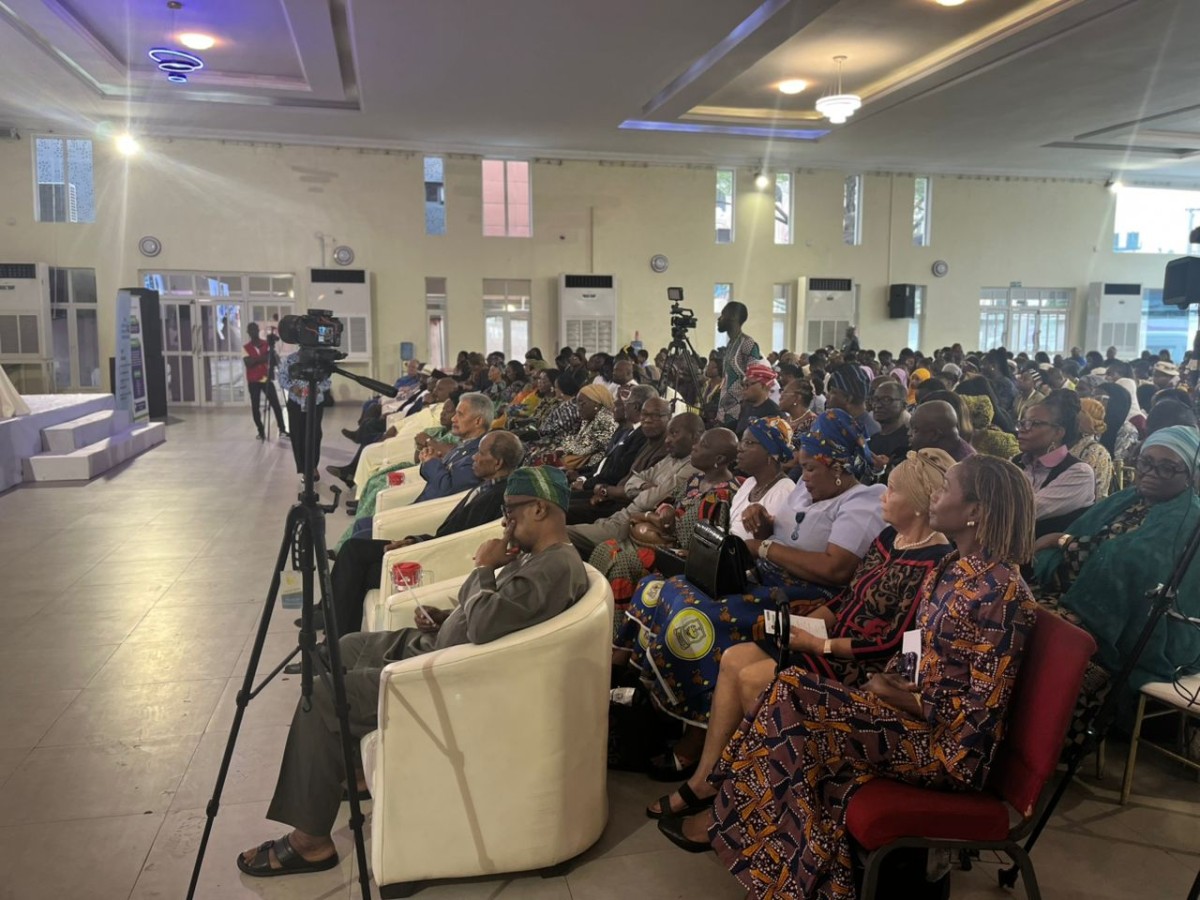
The cleric highlighted the realities of polluted rivers, deforested lands and vulnerable communities, noting that environmental decline continues to affect livelihoods across Nigeria. He referenced the experiences of farmers struggling with infertile soil, children lacking access to clean water and communities exposed to climate-related hardships.
Speakers at the event called for the adoption of ecological spirituality, describing it as a framework that recognises the earth as sacred and deserving of protection. They maintained that environmental stewardship should be regarded as an act of worship and a demonstration of faith in action.
Throughout the session, contributors described the earth as a shared trust passed from one generation to another, urging participants to treat environmental preservation as a moral obligation rather than a distant policy concern.
Emotions remained measured but evident as attendees reflected on the implications of the discussions. Some participants described the lecture as a moment of collective introspection, urging faith-based institutions to reassess their role in addressing ecological challenges.
Mr. Anthony Oligbo, a lecturer at the Nigerian Institute of Journalism who attended the programme, explained that the theme was designed to emphasise the shared responsibility of different religious traditions in safeguarding the earth as divine creation. He also noted the participation of journalism students who were present to gain practical field experience.
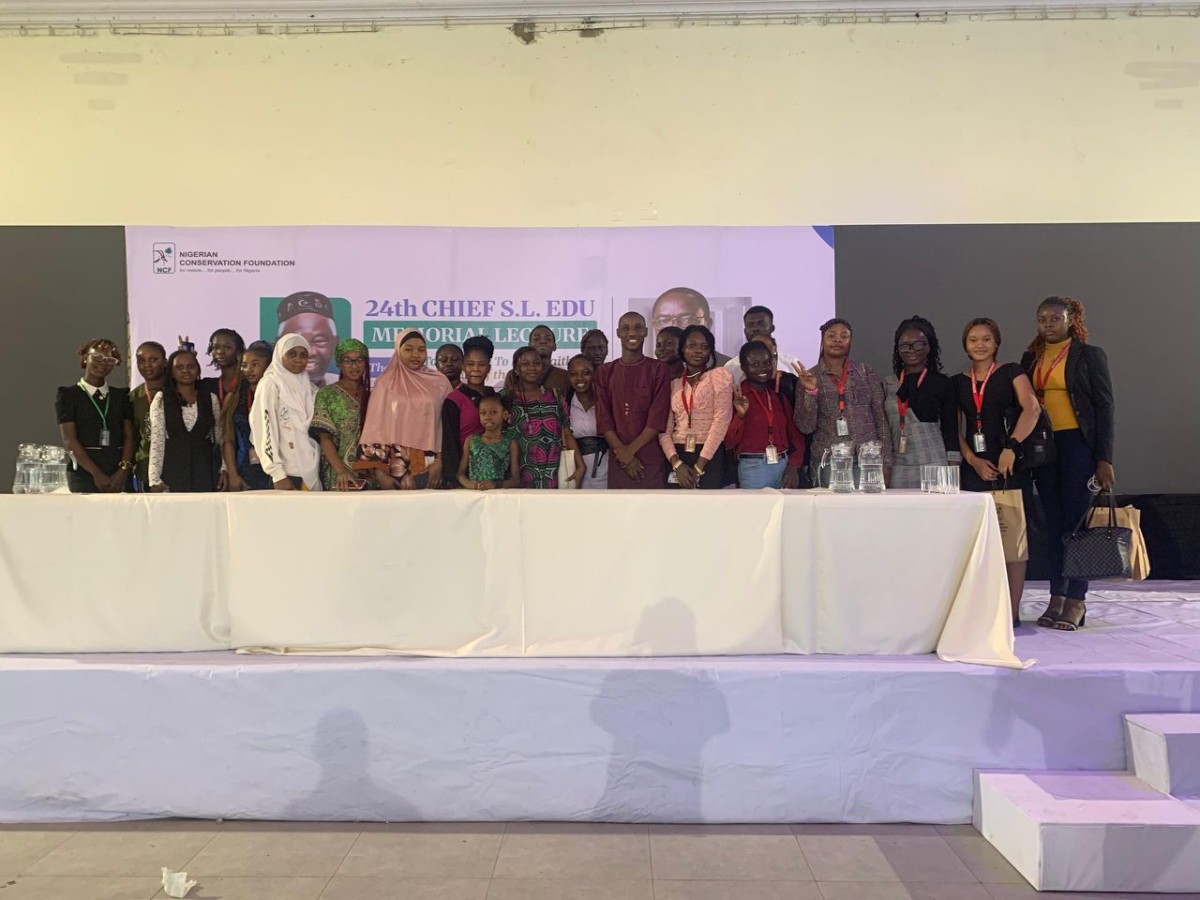
According to him, the students were assigned to produce written features and documentary reports, providing them with opportunities to engage in networking and hands-on media production. He emphasised the importance of collaboration between faith communities and educational institutions in fostering environmental awareness.
As the event concluded, speakers reiterated the need for faith communities to transition from passive observers to active stewards of the environment. They maintained that environmental protection requires deliberate, collective action rather than symbolic declarations.
The 24th Chief S.L. Edu Memorial Lecture concluded with a renewed call for responsibility, reminding participants that caring for the earth remains a shared duty rooted in faith, conscience, and a commitment to future generations.
FURTHER READING