- Human rights lawyer Ikechukwu Obasi has filed a fundamental rights enforcement suit against Nollywood actress Tonto Dikeh at the High Court of the Federal Capital Territory, Abuja.
- The actress is accused of violating the dignity and privacy of a Junior Secondary School student during a “vicious religious deliverance ritual” that was allegedly filmed and posted on social media.
- The lawsuit seeks ₦200 million in damages, a public apology in three national newspapers, and a court order for the immediate removal of the footage from all digital platforms.
Nollywood star and self-proclaimed evangelist Tonto Dikeh is facing a major legal battle following allegations of child rights violations during a spiritual deliverance session.
Eko Hot Blog reports that the suit, filed on Thursday, March 12, 2026, by Abuja-based lawyer Ikechukwu Obasi, claims that the actress subjected a minor to degrading treatment under the guise of religious exorcism.
EDITOR’S PICK
- 540 Candidates Cleared as Lagos APC Moves to Elect LGA Executives
- Court Sentences Pastor to Death for Killing UniUyo Student
- Lagos Teacher Questions Lack of Recognition for One-Day Governor Mentors
The incident reportedly came to light after a video surfaced on Dikeh’s official Facebook page on March 6, showing a young female student being pressed against a stony surface while the actress performed a religious rite.
In the supporting affidavit, Obasi described the footage as “vicious,” noting that the child was laid on bare, stony ground while being harassed and publicly shamed.
The lawyer argued that the act of filming and sharing the child’s images, portraying her as being “demonically possessed”, constitutes a flagrant breach of Section 37 of the 1999 Constitution regarding the right to privacy.
He further contended that the publication has exposed the student, an indigene of Rivers State studying in Abuja, to severe psychological trauma and social stigmatization among her peers.
The legal action seeks to establish that harmful religious rites performed on children, regardless of the practitioner’s spiritual claims, are a violation of the Child Rights Act 2003.
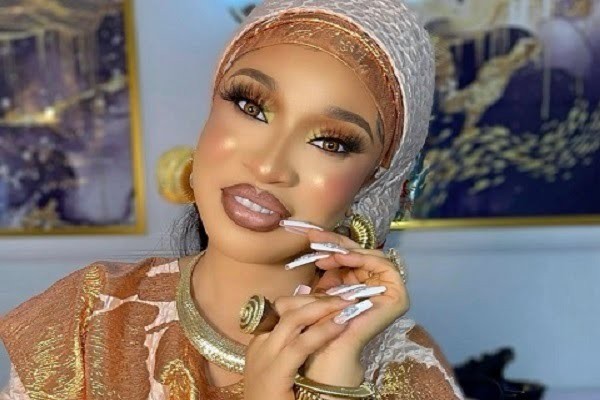
Beyond the ₦200 million in monetary damages, the plaintiff is requesting a perpetual injunction to restrain Dikeh from carrying out similar “exorcisms” on any Nigerian child in the future.
Obasi emphasized that while religious freedom is protected, it does not grant individuals the right to humiliate or physically endanger minors in a public forum.
The court has also been asked to compel Dikeh to issue an unreserved apology to the victim and the Nigerian public to mitigate the damage caused by the viral publication.
At the time of this report, the actress has not issued an official response to the lawsuit, and a hearing date has yet to be assigned by the FCT High Court.
The case has sparked a wider conversation on social media regarding the boundaries between religious expression and child protection laws in Nigeria.