- Trump told the news outlet, asserting that Washington should play a direct role in shaping Iran’s future leadership.
- He compared his potential role in Iran’s leadership transition to what he described as US involvement in political developments in Venezuela
- It remains unclear how the United States could influence Iran’s internal leadership selection process
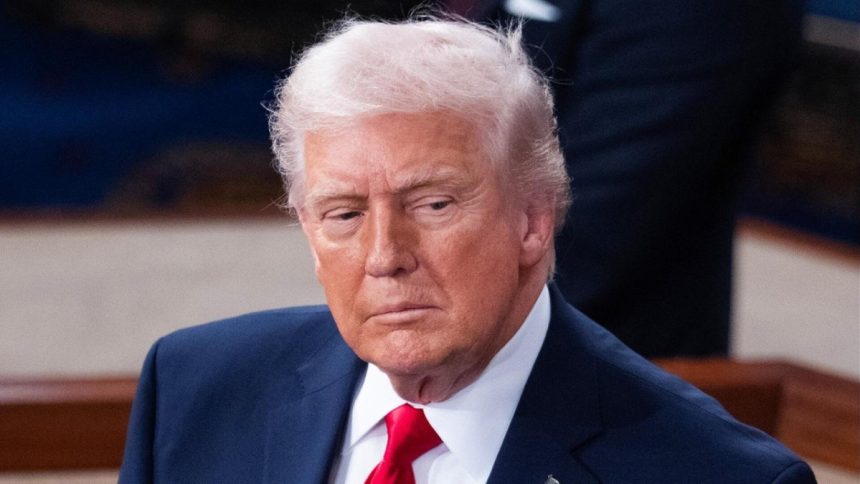
US President Donald Trump said Thursday that he believes the United States should have a say in selecting Iran’s next supreme leader after the death of Ayatollah Ali Khamenei, dismissing the idea that Khamenei’s son should succeed him.
In an interview with Axios, Eko Hot Blog gathered Trump said Mojtaba Khamenei, who is widely seen as a top contender to lead Iran, would not be acceptable in his view.
EDITOR’S PICK
- Nigeria Awaits FIFA Verdict On DR Congo Player Eligibility Dispute
- Trump Says Diplomacy Is “Much Easier” Now After Decapitating Strikes on Iran
- Senate Targets 2026 for State Police Amendment
He compared his potential role in Iran’s leadership transition to what he described as US involvement in political developments in Venezuela, where acting leader Delcy Rodriguez assumed power after former president Nicolás Maduro was removed in January.
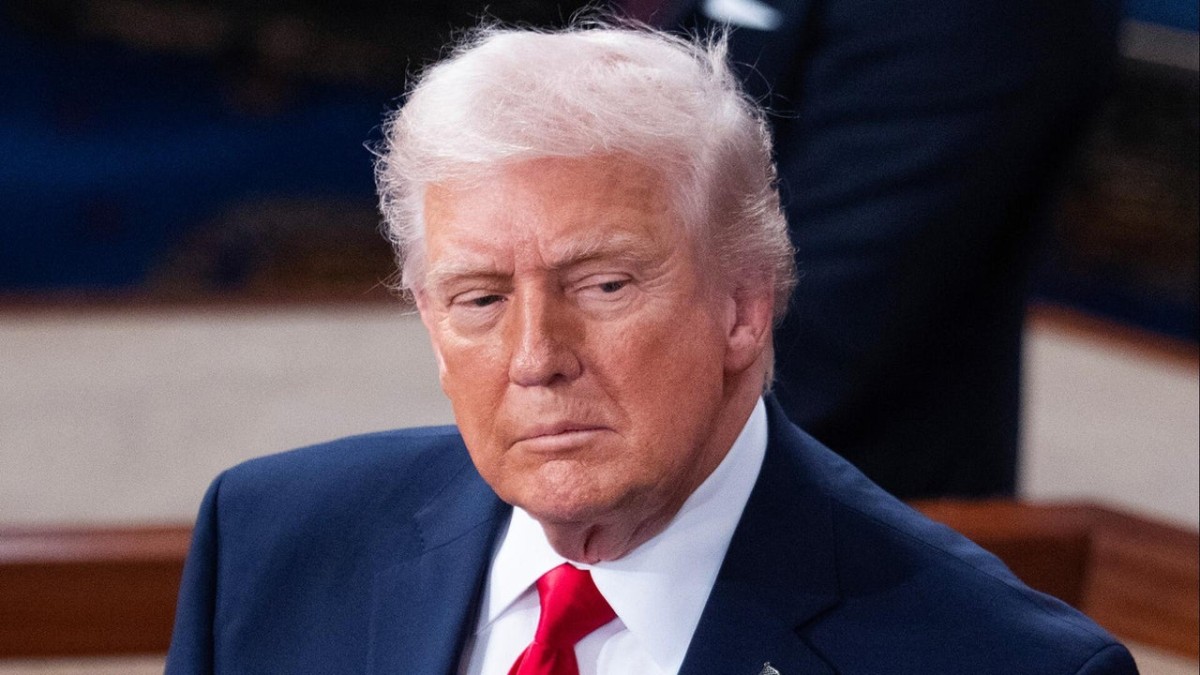
“They are wasting their time. Khamenei’s son is a lightweight. I have to be involved in the appointment, like with Delcy,” Trump told the news outlet, asserting that Washington should play a direct role in shaping Iran’s future leadership.
Trump also said any leader who would continue Khamenei’s hardline policies could lead to renewed conflict with the United States within a few years, and stressed the need for someone who would promote “harmony and peace” in Iran.
It remains unclear how the United States could influence Iran’s internal leadership selection process, which is traditionally decided by the clerical Assembly of Experts, a body made up of senior Shiite religious figures.
Iran’s leadership transition comes amid heightened regional tensions after the US‑Israeli strikes that killed Khamenei, and Tehran has postponed naming a successor as internal deliberations continue.
FURTHER READING