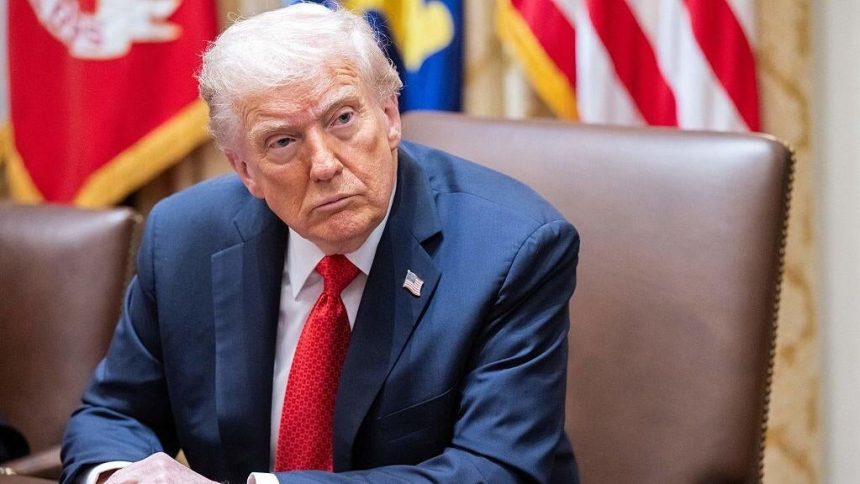
- President Trump expresses frustration over limited military leverage as Iran refuses to capitulate.
- Pentagon officials warn that limited strikes could trigger a cycle of retaliation from regional proxies.
- U.S. military presence in the Persian Gulf reaches historic levels with two carrier strike groups deployed.
President Donald Trump is reportedly experiencing growing frustration over the perceived limitations of United States military options against Iran.
Eko Hot Blog reports that sources within the administration indicate that the president is seeking a forceful reset to the diplomatic situation through a significant show of force, yet military advisers continue to caution against the inherent unpredictability of a direct confrontation.
EDITOR’S PICK
- 540 Candidates Cleared as Lagos APC Moves to Elect LGA Executives
- Court Sentences Pastor to Death for Killing UniUyo Student
- Lagos Teacher Questions Lack of Recognition for One-Day Governor Mentors
Unlike previous targeted operations, such as the recent mission that removed the Venezuelan leader from power, military planners have informed the president that a strike on Tehran would likely not be a singular or decisive blow.
Instead, there is a significant concern that even limited strikes could open the door to a wider and more protracted conflict that would draw American resources into another long term Middle Eastern engagement.
In recent private meetings, the Chairman of the Joint Chiefs of Staff, General Dan Caine, has advised the president that a sustained military campaign would carry immense repercussions.
These risks include potential retaliation from Tehran and its various proxies against American forces and allies stationed throughout the region.
However, the president recently took to social media to refute reports that his top general is against military action.
Mr. Trump stated that while General Caine would prefer to avoid war, the general believes that any military decision against Iran would be something easily won if the United States chose to lead the pack.
This public assertion highlights the ongoing tension between the White House desire for a quick victory and the more cautious logistical assessments provided by the Pentagon.
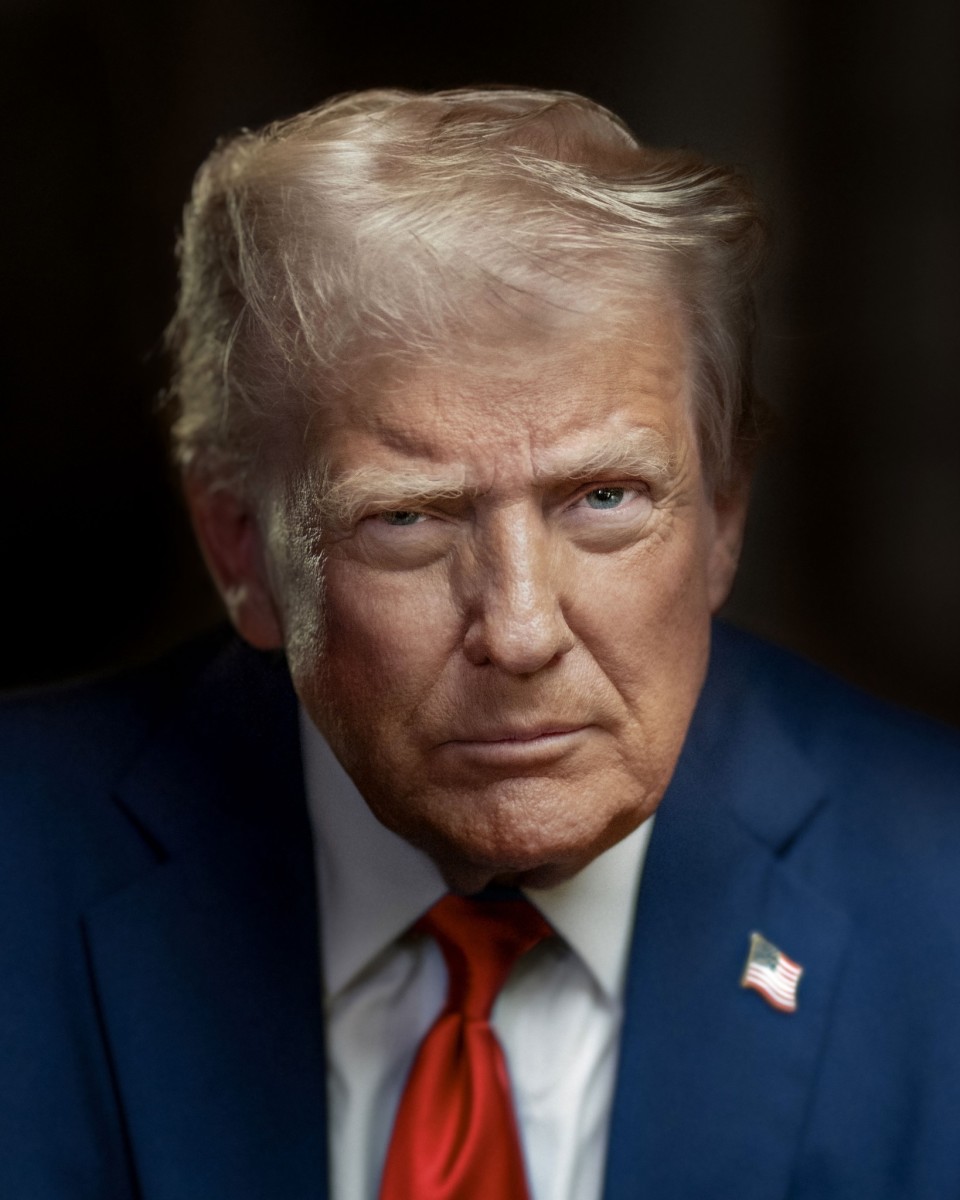
At the heart of the current impatience within the White House is a desire to compel Iranian leaders to return to the negotiating table under terms that are more favorable to Washington.
Special envoy Steve Witkoff recently noted in a public interview that the administration is curious as to why the Iranian government has not yet capitulated despite the immense amount of naval and sea power currently positioned in the region.
The U.S. has significantly expanded its military posture in recent weeks, moving the USS Gerald R. Ford carrier strike group and its flotilla of warships within range of Iranian territory.
This group joins the USS Abraham Lincoln carrier strike group and various aircraft squadrons already stationed at bases across the Persian Gulf.
Pentagon officials have maintained that these deployments are primarily defensive and designed to deter further escalation.
However, the sheer scale of the buildup underscores the reality that any offensive move would almost certainly trigger a response, whether through missile attacks, maritime harassment in the critical Strait of Hormuz, or actions by proxy forces operating in Iraq and Syria.
Military planners have emphasized that wars rarely follow a predetermined script and even the most carefully calibrated strikes can produce unintended consequences.
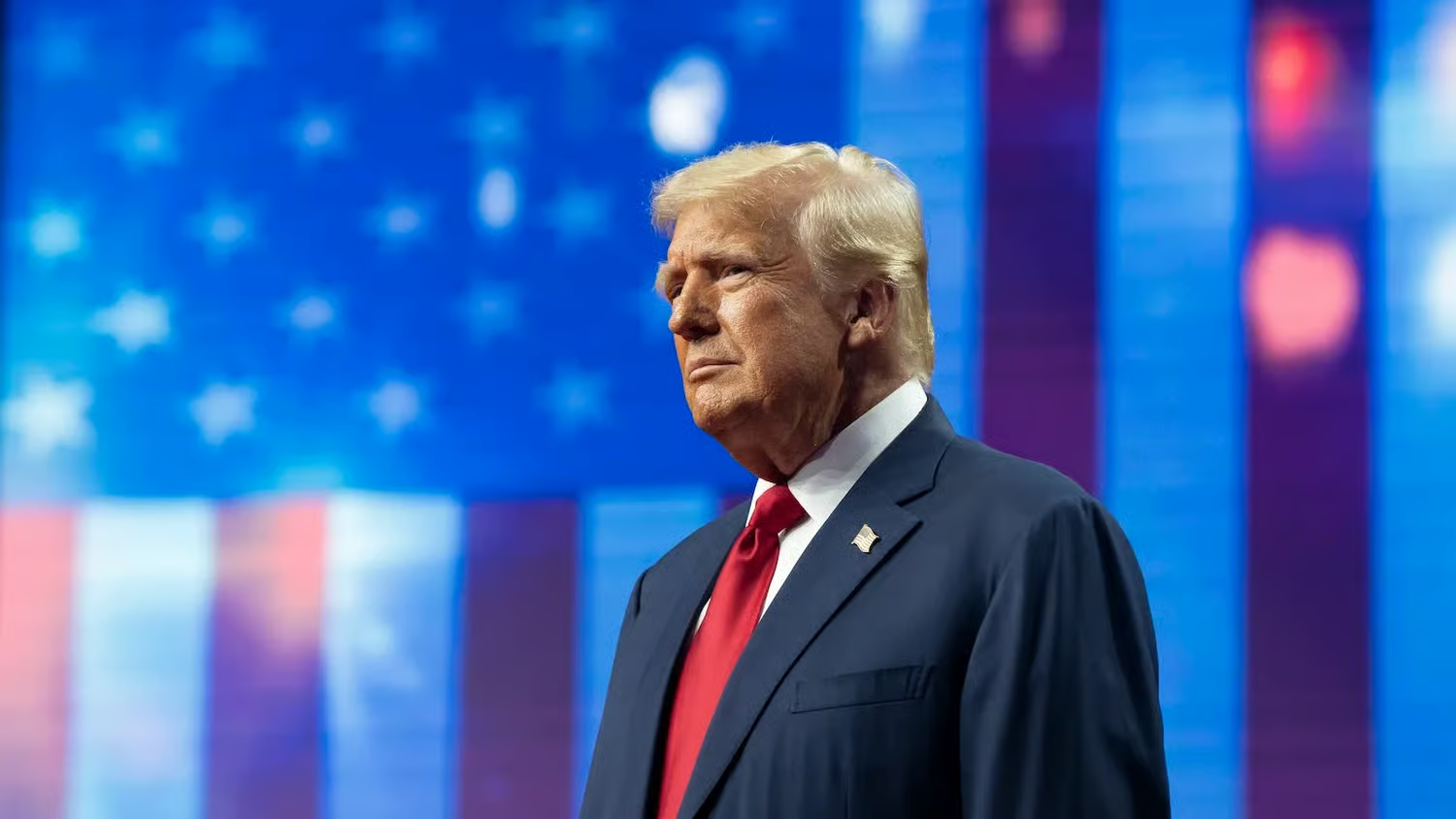
President Trump has pressed his advisers for options that would deliver a punishing blow substantial enough to reset the regional order, but senior commanders continue to highlight the risk of a spiral that would require even more American troops and resources.
As the buildup of hardware continues and contingency plans are refined, the global community remains on edge.
The current standoff reflects a broader struggle between political objectives and military realities.
Whether this tension culminates in a limited strike or remains a posture of deterrence may ultimately depend on the next moves made by Tehran and the level of risk the Washington administration is prepared to bear in its pursuit of a diplomatic breakthrough.