- Member of Parliament Ahmed Saidani was sentenced to prison on Thursday for “insulting others via communication networks.”
- The charges follow Facebook posts where Saidani mocked President Kais Saied’s tours of flood-hit areas in the capital.
- Rights groups and fellow lawmakers have condemned the arrest as a violation of parliamentary immunity and a crackdown on dissent.
A Tunisian court has sentenced lawmaker Ahmed Saidani to eight months in prison over social media posts mocking President Kais Saied following recent deadly floods in the country.
Eko Hot Blog reports that Saidani was jailed on Thursday on charges of “insulting others via communication networks,” a judicial official confirmed.
EDITORS’ PICK:
- South Korea’s ex-president Sentenced to Life for 2024 Martial Law
- Agamo Monarch Oba Kehinde Falodun Killed by Gunmen in Ondo State
- LAMATA Apologises to Commuters Over Oyingbo-Agbado Train Air-Conditioning Fault
The arrest took place earlier this month after the lawmaker posted comments regarding the president’s highly publicized visits to flood-hit communities.
In one of the controversial posts, Saidani described President Saied as the “supreme commander of sanitation and rainwater drainage” while reacting to official tours of affected areas.
His lawyer, Houssem Eddine Ben Attia, stated that his client was prosecuted under a specific telecommunications law designed to punish those “harming others via social media.”
The offense carries a potential sentence of up to two years in prison, though the court settled on an eight-month term in this instance.
In a separate Facebook entry, Saidani further mocked the president for “taking up the hobby of taking photos with the poor and destitute” during visits to flooded districts in Tunis and other provinces.
Although Saidani was elected in 2022 and was initially viewed as a supporter of the president’s consolidation of power, he has recently transformed into a vocal critic.
He has accused Saied of monopolizing national decision-making while shifting the blame for government failures onto others.
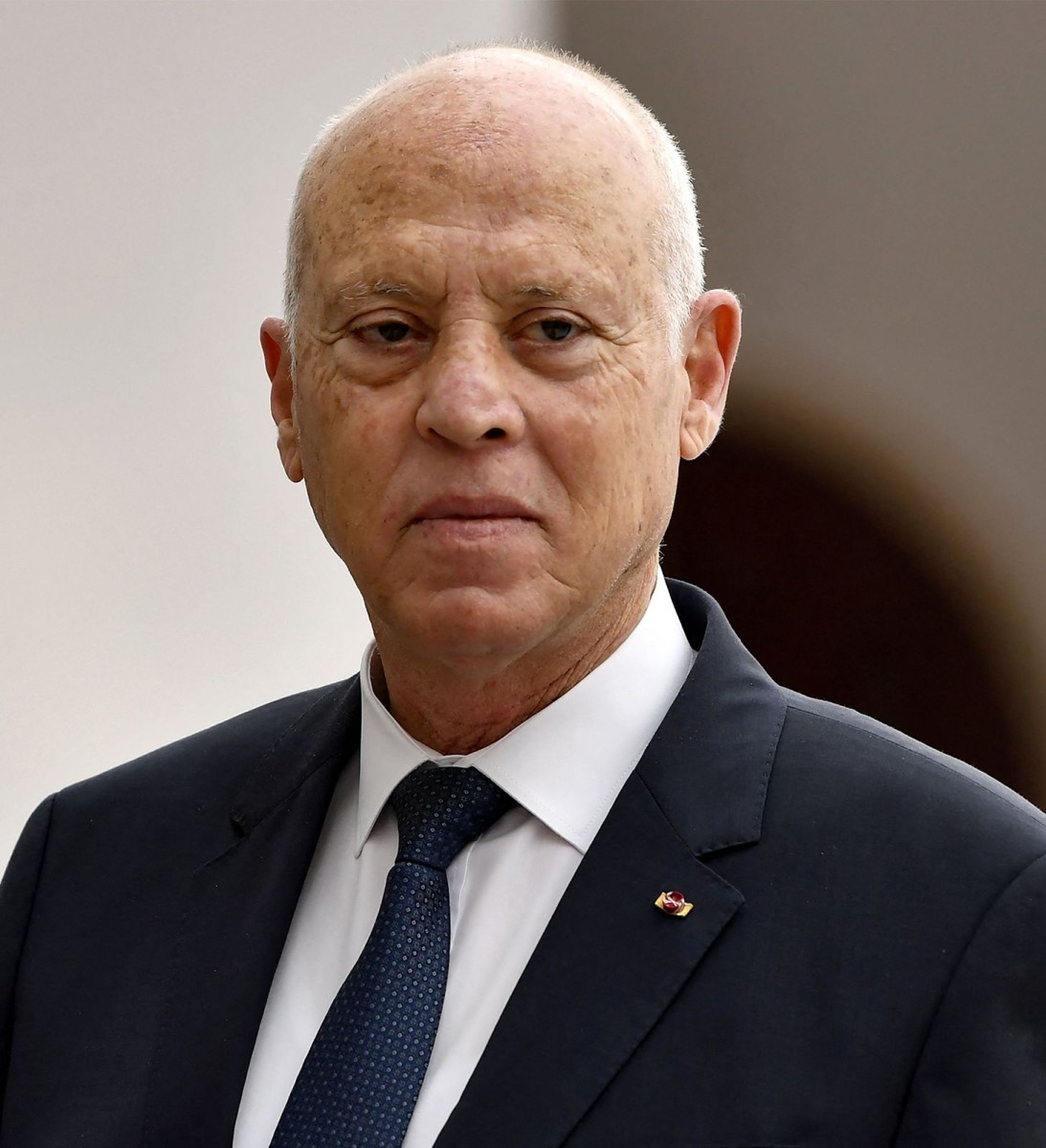
The arrest has sparked backlash within the Tunisian parliament. Fellow MP Bilel Mechri criticized the judicial move, describing it as a violation of the law and an institutional attack.
He questioned how the legislative branch could effectively hold the executive authority to account if lawmakers face unlawful arrest for expressing critical views.
The incident follows a period of extreme weather where Tunisia experienced its heaviest rainfall in over 70 years, resulting in at least five deaths and several missing persons.
Human rights organizations have repeatedly voiced concerns over what they describe as an escalation in President Saied’s crackdown on dissent.
Since suspending parliament in 2021 and transitioning to rule by decree, Saied has faced international scrutiny, though he insists he is working to “cleanse” the country of political instability.
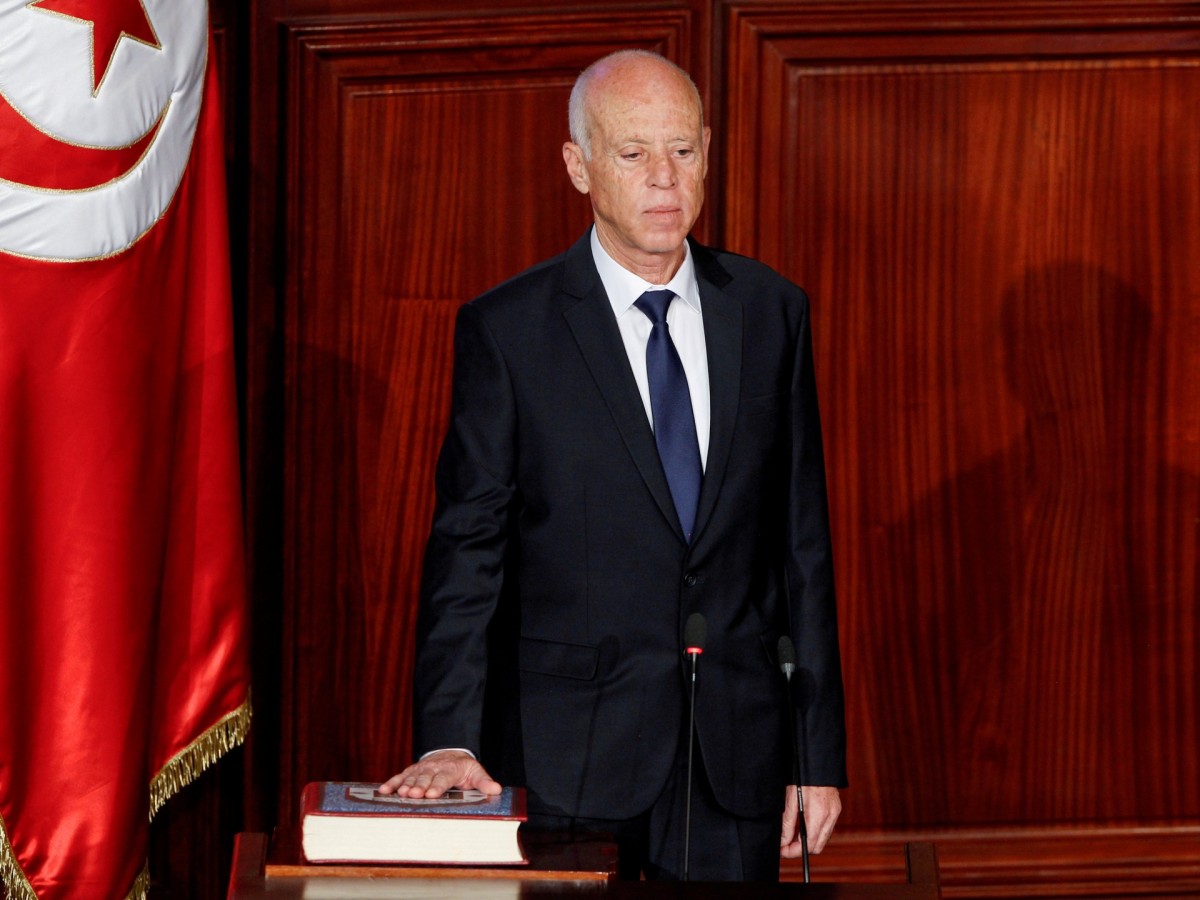
While Tunisian law provides lawmakers with parliamentary immunity, they can still be detained if they are accused of committing specific criminal offenses, a loophole critics argue is being exploited to silence political opposition.
FURTHER READING: