- Tunji Alausa has unveiled a plan for universities to raise funds from alumni and the private sector.
- He said government funding alone is no longer sufficient for the university system.
- The move could help ease funding pressures that have led to repeated strikes.
The Minister of Education, Dr. Tunji Alausa, on Monday led the formal rollout of a new initiative aimed at helping Nigerian universities raise funds from alumni, the private sector, philanthropy and other non-government sources.
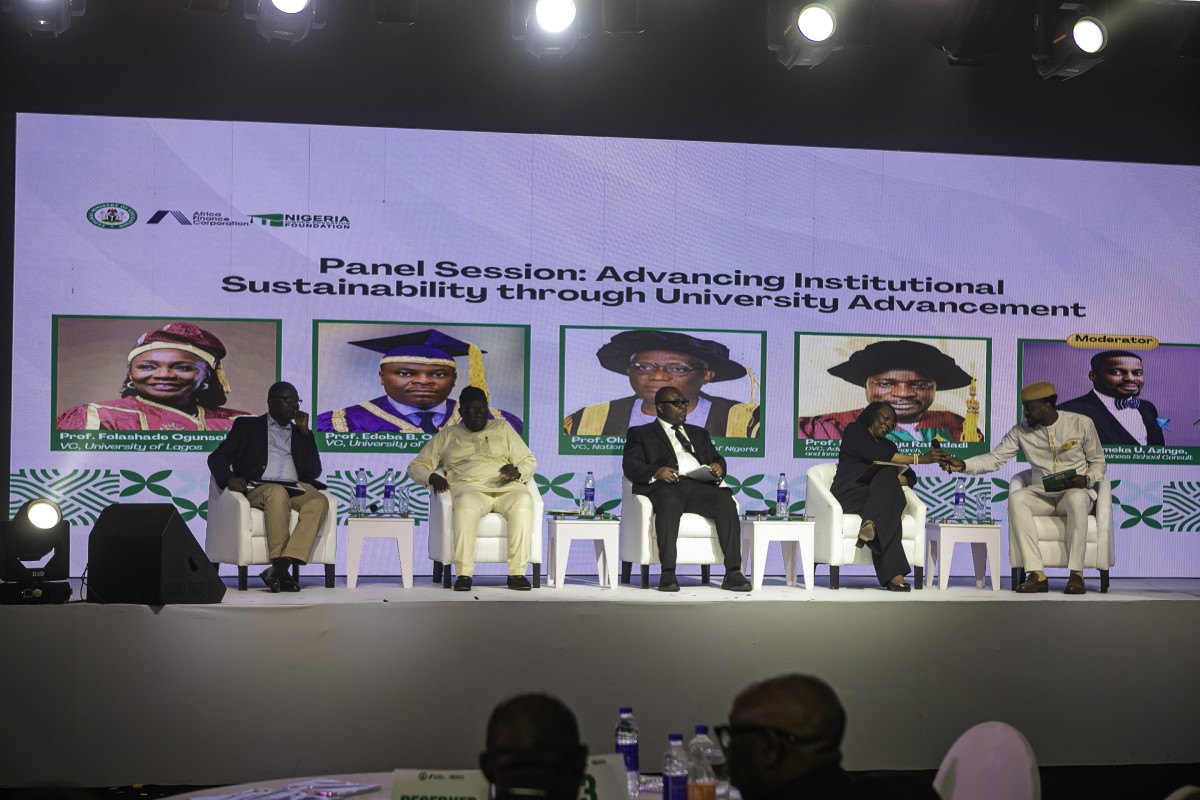
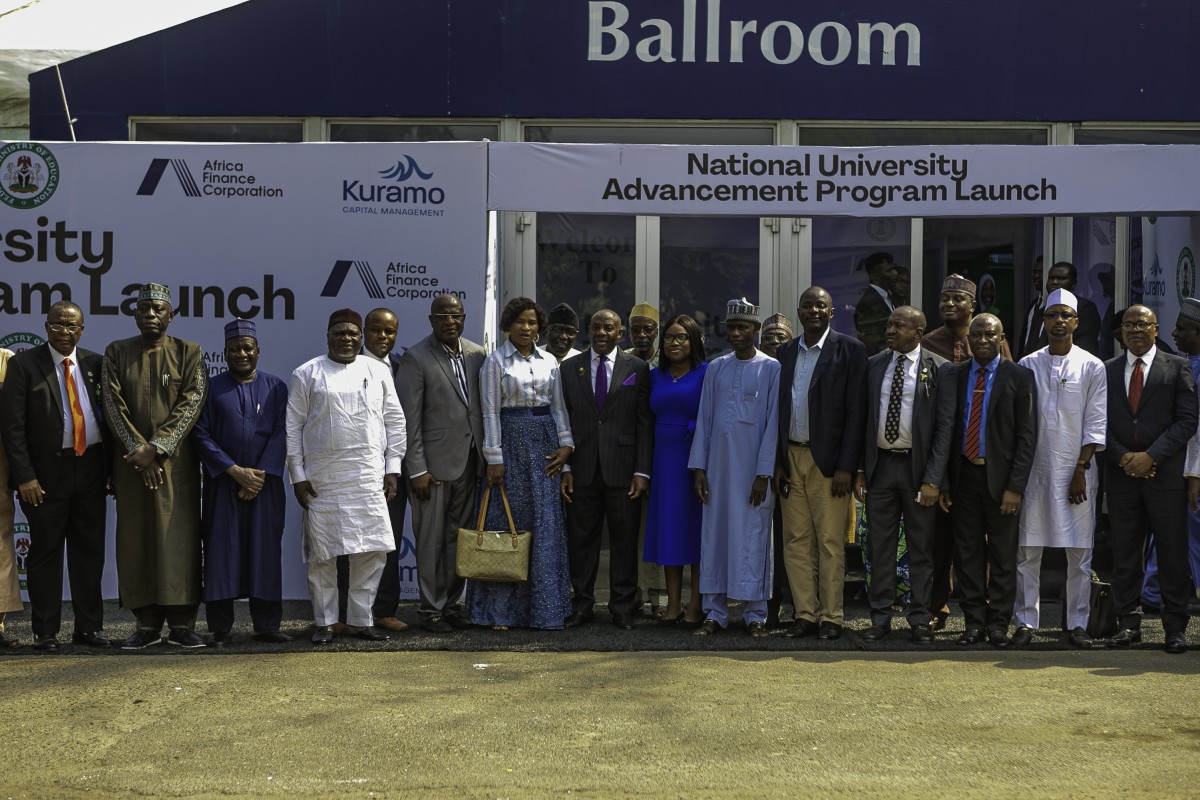
EKO HOT BLOG reports that the initiative, known as the University Advancement Initiative, was launched at a national convening of vice-chancellors jointly hosted by the Nigeria Higher Education Foundation and the Federal Ministry of Education.
EDITOR’S PICKS
Speaking at the event, Alausa said Nigeria’s universities remain central to national development but are under growing financial pressure that public funding alone can no longer sustain.
“Nigeria’s universities remain the backbone of our national development architecture,” he said, noting that they play a key role in human capital development, research and leadership training.

However, the minister said the demands on universities have outgrown traditional funding models. “The demands placed on our universities today far exceed what traditional public funding models alone can sustainably provide,” he said.
According to him, the challenge facing universities is not just how to get more money, but how to build “smarter, diversified, and sustainable financing systems that allow our institutions to thrive over the long term.”

Alausa explained that university advancement goes beyond fundraising and involves a structured system that brings together alumni engagement, endowments, philanthropy, private-sector partnerships and institutional credibility.
“University advancement is not fundraising in isolation,” he said. “It is a structured, professional system” that helps institutions secure long-term support and trust.

Under the initiative, federal universities are expected to establish professional advancement offices, strengthen governance around endowments and philanthropy, and engage alumni and partners more strategically. The goal, according to the minister, is to reduce over-dependence on government funding without affecting access or equity.
He stressed that the Federal Ministry of Education fully supports the initiative and sees it as complementary to public funding. “Government remains committed to its statutory responsibilities, but sustainability requires diversification,” Alausa said.
He also urged vice-chancellors to take full ownership of the programme, describing their role as critical to its success. “The success of this initiative rests squarely on your leadership,” he said, adding that advancement must be embedded into the culture of universities and supported by governing councils and management.

At the end of the event, Alausa formally endorsed and launched the University Advancement Initiative, describing it as key to building financially resilient and globally competitive universities in line with President Bola Tinubu’s Renewed Hope Agenda.
The launch of the initiative is significant as it comes less than two weeks after the Federal Government signed an agreement with the Academic Staff Union of Universities (ASUU) aimed at improving funding for public universities. It also comes against the backdrop of repeated government statements that the state alone cannot continue to shoulder the full financial burden of the university system.
FURTHER READING
If successful, the initiative could help reduce the long-standing funding gaps that have often triggered strikes in public universities, potentially easing the cycle of strikes linked to inadequate financing, while placing universities on a more sustainable footing.
See more photos from the launch of the University Advancement Initiative below: