- Prosecutors allege Duane “Keffe D” Davis ordered Tupac Shakur’s killing after a fight involving his nephew.
- The prosecution says Davis handed a gun to a passenger in a white Cadillac and directed the person to shoot.
- Davis, who denies the charges, faces possible life imprisonment without parole if convicted.
The long-running mystery surrounding the murder of American rapper Tupac Shakur has entered a new chapter, with prosecutors telling a Las Vegas jury that the music star was killed as part of a gang revenge plot.
Eko Hot Blog reports that the allegation was made Monday as the highly anticipated trial of Duane “Keffe D” Davis began nearly 30 years after Shakur was fatally shot in Las Vegas.
EDITOR’S PICK
- How Lagos Achieved 57.4% Exclusive Breastfeeding Rate
- Shaibu Lists Nigeria’s Biggest Security Challenges
- Vote, Protect Your Mandate, Governor Adeleke Urges Residents Ahead of August 15 Polls.
Davis, a former leader of the South Side Compton Crips, is accused of ordering the September 1996 killing after his nephew, Orlando “Baby Lane” Anderson, was beaten by Shakur and members of his entourage earlier that night.
Prosecutor Binu Pilal told the court that Shakur had publicly participated in the beating of Anderson on September 7, 1996.
According to the prosecution, the confrontation was followed just hours later by the drive-by shooting that claimed the life of the 25-year-old rapper.
Pilal alleged that Davis did not personally fire the fatal shots but handed a firearm to someone sitting in the back seat of a white Cadillac and instructed the person to shoot Shakur.
The prosecutor also argued that Davis had repeatedly acknowledged his involvement in the events surrounding the murder through interviews with law enforcement, media appearances, private conversations and an autobiography.
“Nearly 30 years later,” Pilal told jurors, prosecutors would ask them to hold Davis accountable for his alleged role in the killing.
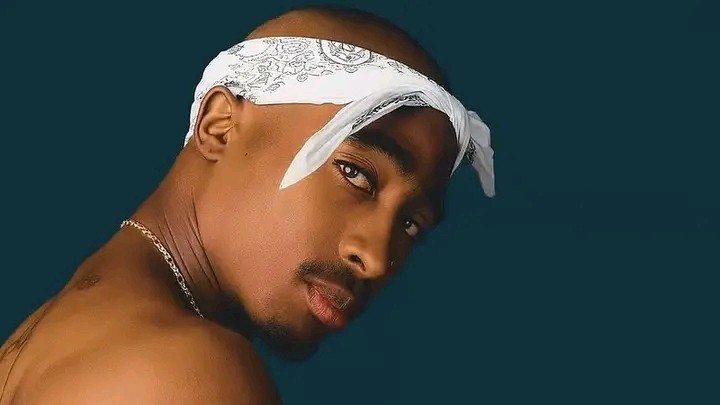
Davis, 63, has pleaded not guilty and denies the allegations. If convicted, he could face life imprisonment without the possibility of parole.
Tupac’s Death and the East Coast-West Coast Rivalry
Shakur, widely known as 2Pac, was one of the most influential figures in hip-hop during the 1990s. His death became one of the most famous unsolved murders in American popular culture and fueled decades of speculation over who was responsible.
The rapper was closely associated with the West Coast hip-hop scene after signing with Los Angeles-based Death Row Records, founded by Marion “Suge” Knight.
At the time, Death Row was embroiled in a highly publicised rivalry with Bad Boy Records, the New York-based label founded by Sean “Diddy” Combs and associated with rapper Christopher “The Notorious B.I.G.” Wallace.
Prosecutors say the conflict between the rival camps formed part of the background to the events that preceded Shakur’s death.
Shakur and Knight were in Las Vegas to attend a boxing match involving Mike Tyson when an altercation broke out involving Anderson. According to prosecutors, the confrontation was connected to an earlier dispute involving a Death Row associate.
Later that night, Shakur was travelling in a BMW with Knight when a white Cadillac pulled alongside the vehicle. Gunmen opened fire, striking Shakur several times.
The rapper died from his injuries on September 13, 1996, at the age of 25.
The investigation remained unresolved for decades, with several theories emerging about the identity and motive of the shooter.
The case was revived after the publication of Davis’s memoir in 2019. In the book, Davis described being inside the white Cadillac and said he handed a gun to people in the back seat.
However, he did not identify the person who fired the shots that killed Shakur.
Davis has since disputed aspects of the account, claiming some of the statements were exaggerated and that a ghostwriter made claims to boost the book’s commercial appeal.
The other people believed to have been inside the Cadillac that night have since died.
The trial is expected to last more than a month as prosecutors and Davis’s defence team present their cases in one of the most closely watched murder trials in hip-hop history.
FURTHER READING