- On Friday, unmarked police vehicles were observed at Royal Lodge, Andrew’s former Windsor residence
- The proposed legislation has received backing from some MPs
- SNP Westminster leader Stephen Flynn also expressed support for legislative action if required
The UK government is exploring legislation that would remove Andrew Mountbatten-Windsor from the line of royal succession, a move that would prevent him from ever becoming king.
Eko Hot Blog gathered that Defence Secretary Luke Pollard told the BBC that the measure is “the right thing to do,” regardless of the outcome of the ongoing police investigation.
EDITOR’S PICK
- Grand Wedding Reception: Halimot, Saheed Mark Their Union
- Ikosi-Ejinrin LCDA Celebrates Former Chairman, Hon. Segun Adetola, on Birthday
- Sanwo-Olu Flags Off Free Eye Screening for 1,000 Lagos Police Officers
Andrew, King Charles III’s brother, is currently eighth in line to the throne despite being stripped of his royal titles last October following scrutiny over his connections to convicted sex offender Jeffrey Epstein.
Andrew was released under investigation on Thursday evening, nearly 11 hours after being arrested on suspicion of misconduct in public office. He has consistently denied any wrongdoing.
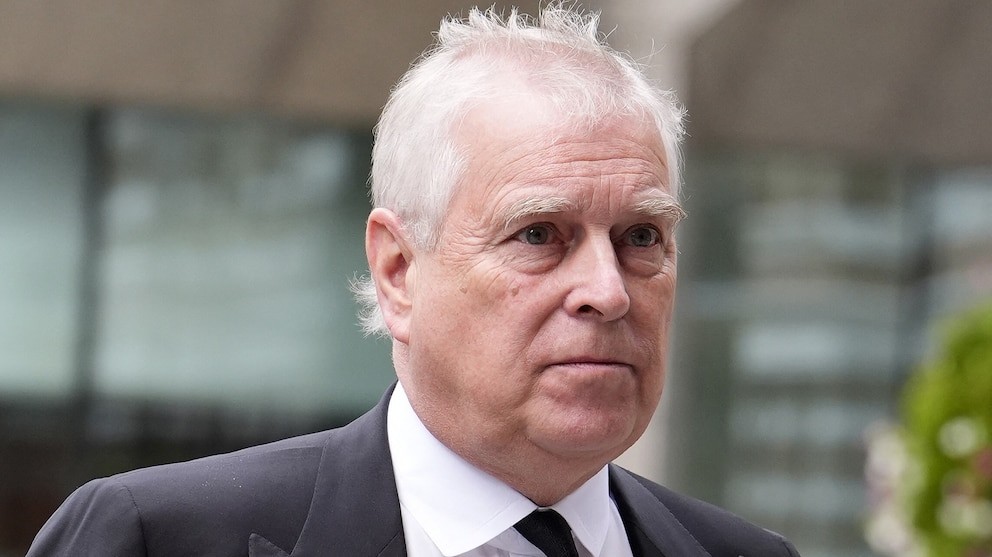
Pollard, speaking on BBC Radio 4’s Any Questions, confirmed that the government has been consulting Buckingham Palace about proposals to ensure Andrew cannot ascend to the throne. He said: “This is something I hope will receive cross-party support, but it is appropriate that it only moves forward once the police investigation is complete.”
On Friday, unmarked police vehicles were observed at Royal Lodge, Andrew’s former Windsor residence, with Thames Valley Police expected to continue searches until Monday.
The proposed legislation has received backing from some MPs, including members of the Liberal Democrats and the Scottish National Party.
Certain Labour parliamentarians, however, questioned the necessity of the move, citing the low likelihood of Andrew ever inheriting the throne.
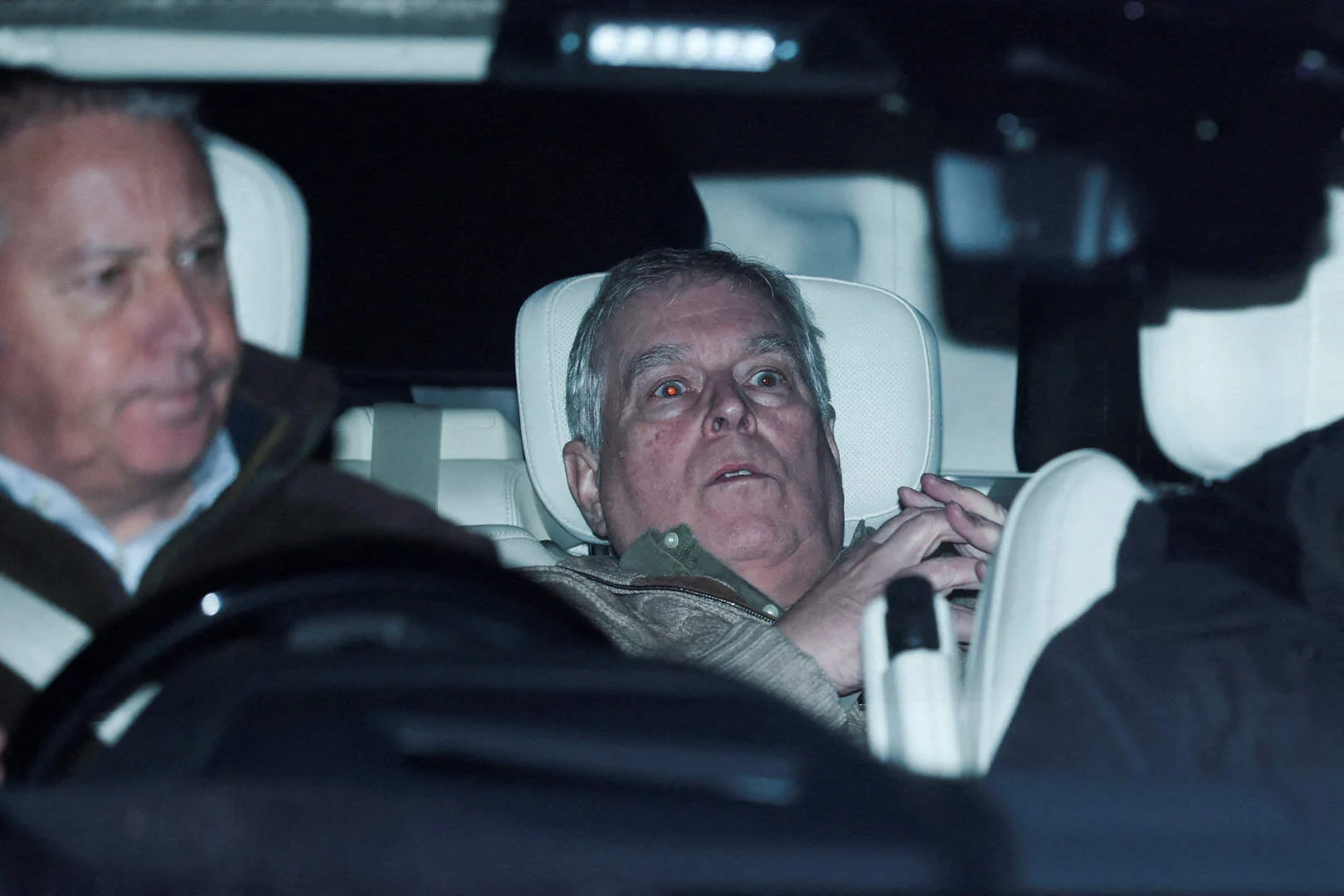
Implementing the change would require an act of Parliament, approval from both MPs and peers, and royal assent from the King.
Additionally, the 14 Commonwealth countries where Charles III serves as head of state—including Canada, Australia, Jamaica, and New Zealand- would need to support the measure.
Historically, the line of succession has been altered by Parliament only on rare occasions, such as the 2013 Succession to the Crown Act, which removed barriers for those marrying Catholics, and in 1936, when Edward VIII and his descendants were excluded following his abdication.
Liberal Democrat leader Sir Ed Davey stressed that police must be allowed to carry out their work independently, but added: “This is an issue Parliament will need to address in due course to ensure he can never become King.”
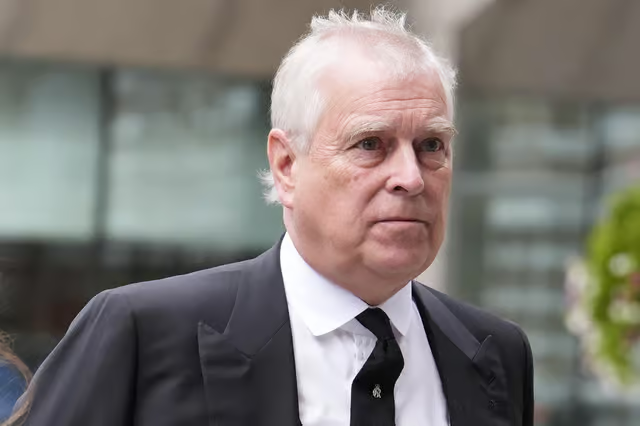
SNP Westminster leader Stephen Flynn also expressed support for legislative action if required, while Labour MP Rachael Maskell backed removing Andrew from both the line of succession and the role of counsellor of state, a position allowing someone to act on behalf of the monarch in their absence.
Andrew Mountbatten-Windsor stepped back from public duties in 2019 after backlash over a BBC Newsnight interview discussing his ties to Epstein.
Conservative Party leader Kemi Badenoch emphasized that public officials should give the ongoing police investigation space to proceed.
FURTHER READING