For the second consecutive month, Nigeria’s inflation rate has declined and while the latest figures from the National Bureau of Statistics (NBS) offer some reasons for cautious optimism, they also carry warnings that deserve attention.
The headline inflation rate eased to 15.06% in February 2026, down slightly from 15.10% in January. That may look like a small move, but the bigger picture tells a more meaningful story.
EDITOR’S PICKS
A Year of Progress
Twelve months ago, in February 2025, Nigerians were dealing with headline inflation of 26.27%. Today, that figure stands at 15.06% — a year-on-year decline of more than 11 percentage points. By any measure, that is significant progress,
The Consumer Price Index (CPI) itself rose to 130.0 in February, up from 127.4 in January, meaning prices are still going up, just at a slower pace than before. The distinction matters: easing inflation does not mean things are getting cheaper. It means they are getting more expensive more slowly.
Food Prices: The Uncomfortable Truth
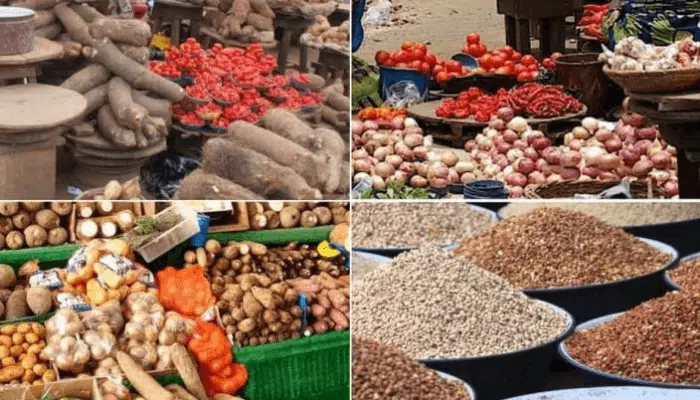
Here is where the report gets uncomfortable. While overall inflation is moderating, food prices jumped sharply on a month-on-month basis. The Food inflation rate came in at 4.69% for February alone, compared to a negative 6.02% in January. In plain terms, food became significantly more expensive between January and February.
The NBS points to rising prices of beans, yam flour, millet flour, crayfish, cassava tuber, ogbono, snails and crayfish as key drivers. These are everyday staples in Nigerian homes, and their price movement in a single month is the kind of pressure that households feel immediately, especially low-income families who spend the largest share of their earnings on food.
On a year-on-year basis, food inflation is at 12.12%, down sharply from 26.98% in February 2025. The trend is positive. But a 4.69% monthly jump is a reminder that the relief is uneven and fragile.
Urban vs Rural: Who Is Feeling It More?
The report breaks the numbers down by geography, and the gap between urban and rural inflation is telling.
Urban inflation stood at 15.53% year-on-year, while rural inflation came in lower at 13.93%. City dwellers are absorbing higher price pressure than their rural counterparts, likely due to higher costs of housing, transportation, and services that are built into urban life.
On a month-on-month basis, urban inflation also rose more steeply, at 2.55%, compared to 0.71% in rural areas.
State by State: Not All Nigeria Is Equal
The national average smooths over sharp differences across the country. In February 2026, residents of Kogi, Benue, and Anambra faced the highest inflation rates: Kogi topping the list at 23.57%. At the other end, Katsina, Imo, and Ebonyi recorded the lowest headline inflation.
For food specifically, Kogi again led with a 26.91% year-on-year food inflation rate, more than double the national average. Meanwhile Bayelsa, Ebonyi, and Edo saw the sharpest month-on-month food price increases.
Core Inflation: A Structural Signal
Strip out food and energy — the most volatile components — and you get what economists call core inflation.
In February 2026, core inflation stood at 15.88% year-on-year, down from 25.66% in February 2025. On a month-on-month basis, it was just 0.89%.
This relatively low monthly core reading suggests that the broader price environment, outside of food, is stabilising. That is an encouraging structural signal.
The Takeaway
February’s inflation report reflects a Nigeria gradually stepping back from the price crisis of 2025. The year-on-year decline in both headline and food inflation is real and should not be dismissed. But the sharp month-on-month jump in food prices — nearly 5% in a single month — is a reminder that the battle is far from won.
FURTHER READING
For ordinary Nigerians whose daily concern is what they can afford at the market, the numbers in this report will feel more like a mixed bag than a victory. Progress is real. So is the pain.
Philip Ibitoye is a Special Correspondent with EKO HOT BLOG. Click here to find daily analysis and critical insight on trending issues in Lagos and other parts of Nigeria.
Click to watch the video of the week below: