With the People’s Democratic Party (PDP) and its governors in recent months, it has often been a case of when, not if, they leave the party for the ruling All Progressives Congress (APC) — the same party many of them once scorned for failing to govern Nigeria efficiently.
Zamfara State governor, Dauda Lawal, is the latest PDP governor to quit the party and pitch his tent with the APC. The governor’s media aide, Nuhu Anka, confirmed the development in a statement on Monday.
EDITOR’S PICKS
“After careful consideration, and in the overriding interest of stability, progress, and the sustainable development of Zamfara State, Dauda Lawal, the Executive Governor of Zamfara State, has decided to formally defect from the Peoples Democratic Party to the All Progressives Congress,” the statement read.

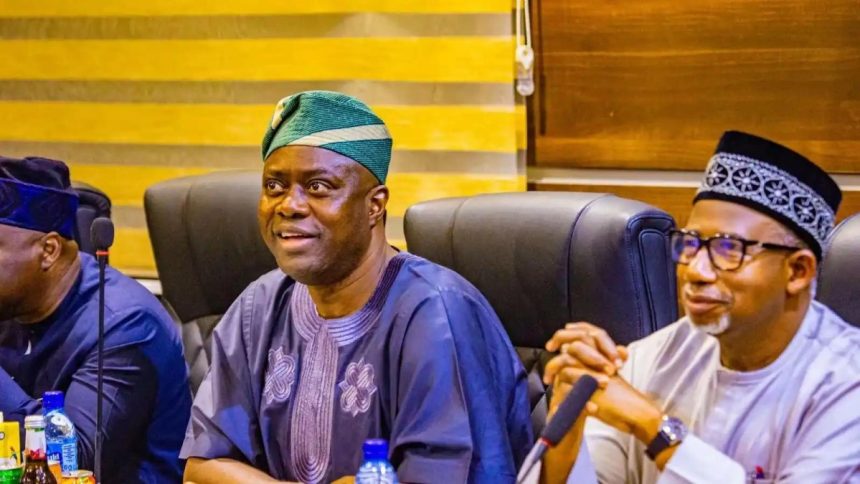
With Lawal gone, only two governors remain in the once dominant ruling party: Governor Bala Mohammed of Bauchi State and Governor Seyi Makinde of Oyo State.
So, who quits the party next? EKO HOT BLOG explores the factors that may play into that question.
Makinde says he is “going nowhere”
Of the two governors left in the PDP, Seyi Makinde has been the most direct about his political future.
Amid the wave of defections from the party, the Oyo State governor recently dismissed speculation that he might join the ruling All Progressives Congress (APC). Speaking in Ibadan at a public event earlier this year, Makinde declared that he had no intention of leaving the Peoples Democratic Party (PDP).
“I am going nowhere,” he said, insisting that he remained committed to the party that brought him to power.
Makinde’s confidence is partly rooted in his political strength at home. He won re-election comfortably in 2023 and maintains firm control of the PDP structure in Oyo State. Unlike many of his colleagues who struggled to hold their states politically, Makinde governs from a position of relative stability.
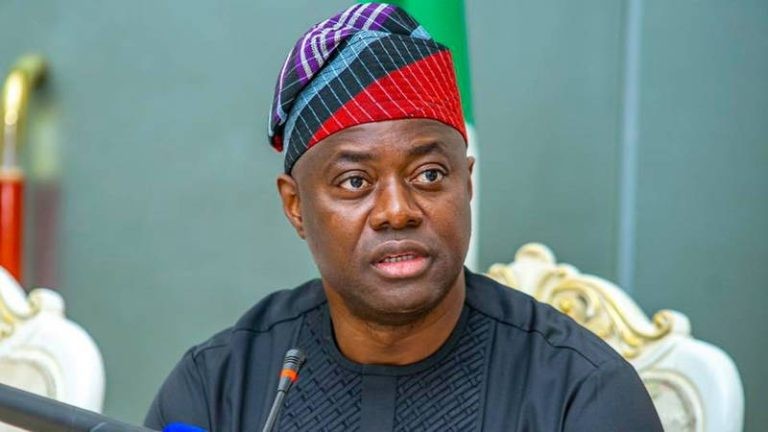
His situation in the South-West may also reduce the incentive to defect. The region is already dominated by the APC, and Makinde’s position as the only PDP governor there gives him unusual influence inside the party.
Some analysts believe this could encourage him to stay and help rebuild the PDP as a viable opposition ahead of the 2027 elections. Leaving now would mean surrendering that influence and joining a ruling party where he would have far less leverage.
Still, Nigerian politics has shown that firm declarations today can become flexible tomorrow. But for now, Makinde appears determined to remain where he is.
Bala Mohammed’s Aso Rock visit fuels speculation
If Makinde’s message has been clear, the signals around Bala Mohammed have been more ambiguous.
The Bauchi State governor recently visited Aso Rock Presidential Villa, where he held a closed-door meeting with Bola Tinubu. The visit quickly triggered speculation that he might be preparing to join the APC, especially as it came at a time when PDP governors were leaving the party.
After the meeting, Mohammed moved quickly to dismiss the rumours.
“I am a PDP man… I am not here for politics or defection. I am here for governance and partnership,” he said.
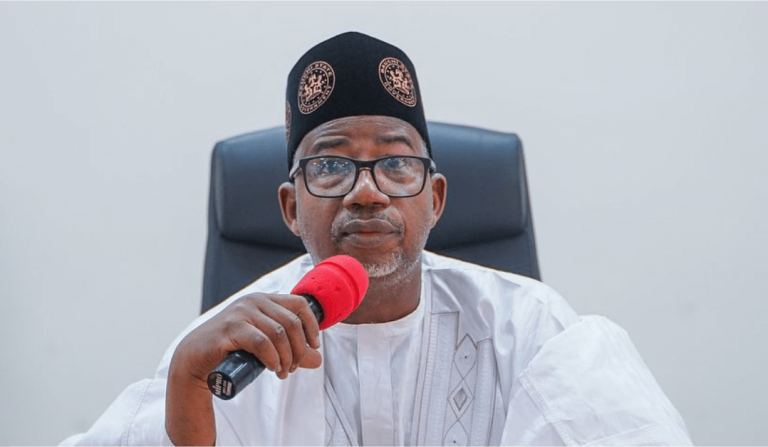
According to him, the meeting was focused on security challenges in Bauchi State, particularly banditry in Alkaleri Local Government Area, and the need for federal support.
Yet the optics of the visit have continued to raise questions. In Nigerian politics, visits to the presidential villa by opposition figures often spark speculation about political realignment. For Mohammed, the timing — coming amid a steady stream of PDP defections — made the speculation almost inevitable.
At the same time, Mohammed remains one of the most prominent PDP figures in the North. As a former minister and two-term governor, he retains influence in the party’s northern bloc. That influence could either strengthen his commitment to the PDP or increase his bargaining power in any future political negotiation.
A party at a crossroads
For the PDP, the question of who leaves next is closely tied to the party’s deepening internal crisis.
Just yesterday, the Court of Appeal delivered a major blow to the faction loyal to Makinde and Mohammed by affirming an earlier ruling that nullified the PDP national convention held in Ibadan in November 2025. The court upheld the decision of a Federal High Court that restrained the Independent National Electoral Commission (INEC) from recognising the outcome of the convention.
In its judgment, the appellate court agreed that the party failed to meet legal requirements before holding the convention, including conducting valid congresses in enough states and giving proper notice to INEC.
The ruling has widened the leadership crisis within the PDP and raised fresh doubts about its organisational stability ahead of the 2027 elections.
Significantly, Zamfara governor said the appellate court decision ultimately influenced his decision to leave the party for the APC, arguing that the prolonged legal battles within the PDP had become politically risky.
Against that backdrop, Makinde’s public loyalty and Mohammed’s cautious engagement with the federal government reflect two different survival strategies.
Makinde appears to be betting that the PDP can still rebuild and remain a viable opposition platform. Mohammed, meanwhile, seems determined to keep political channels open while watching how the party’s legal and internal battles unfold.
FURTHER READING
In a party already reduced to two governors, the next move by either man could determine whether the PDP begins a recovery — or slips further into decline.
Philip Ibitoye is a Special Correspondent with EKO HOT BLOG. Click here to find daily analysis and critical insight on trending issues in Lagos and other parts of Nigeria.
Click to watch the video of the week below: