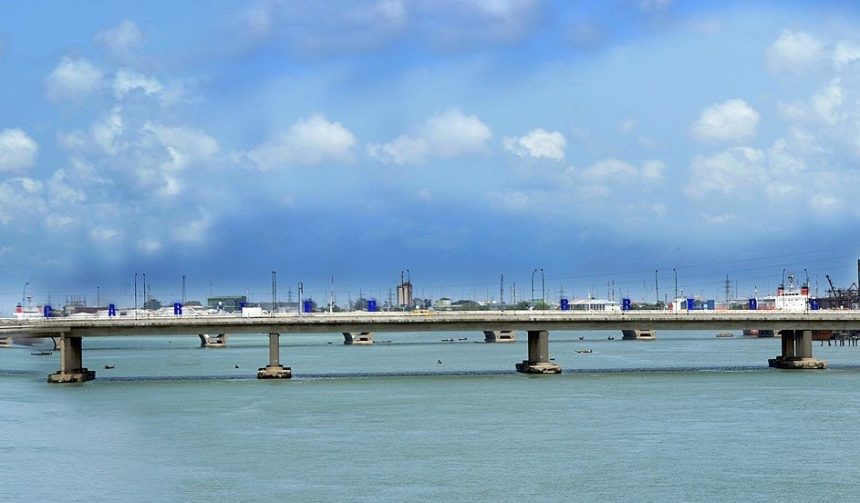
For millions of Lagosians who cross between the Island and the mainland every day, the Federal Executive Council’s decision on the Carter Bridge is more than a government announcement, it is a signal that one of the city’s most strained arteries may finally get the attention it has long needed.
But what exactly did FEC approve, and what does it mean in practice?
EDITOR’S PICKS
A Bridge That Can No Longer Be Saved
The Carter Bridge is not new to trouble. Built originally in 1901 and rebuilt multiple times since, the structure connecting Lagos Island to the mainland at Iddo has been deteriorating for decades. Underwater assessments in 2013 and 2019 exposed severe damage to the bridge’s substructure, a result of illegal sand mining, erosion, and years of corrosion eating through the piles and piers that hold it up.
Engineers and consultants, including Julius Berger Plc, had long warned that rehabilitation was no longer enough. The Federal Government finally drew that line.
Minister of Works, Senator Dave Umahi, was unambiguous after the FEC meeting chaired by President Bola Tinubu on Wednesday: the bridge can no longer be rehabilitated. It must be demolished and replaced.
To begin that process, FEC approved ₦5.6 billion for advanced engineering consultants to carry out the detailed design and costing work. This is not yet the money to build the bridge, it is the money to plan it properly before construction begins.
What Commuters Should Expect and When
The honest answer is that the road ahead is long. The approval of design consultants is the first stage of a multi-phase process. The preferred replacement is a cable-stayed bridge, projected to cost around ₦359 billion, with financing being explored through international partners under an Engineering, Procurement, Construction, and Financing (EPC+F) arrangement.
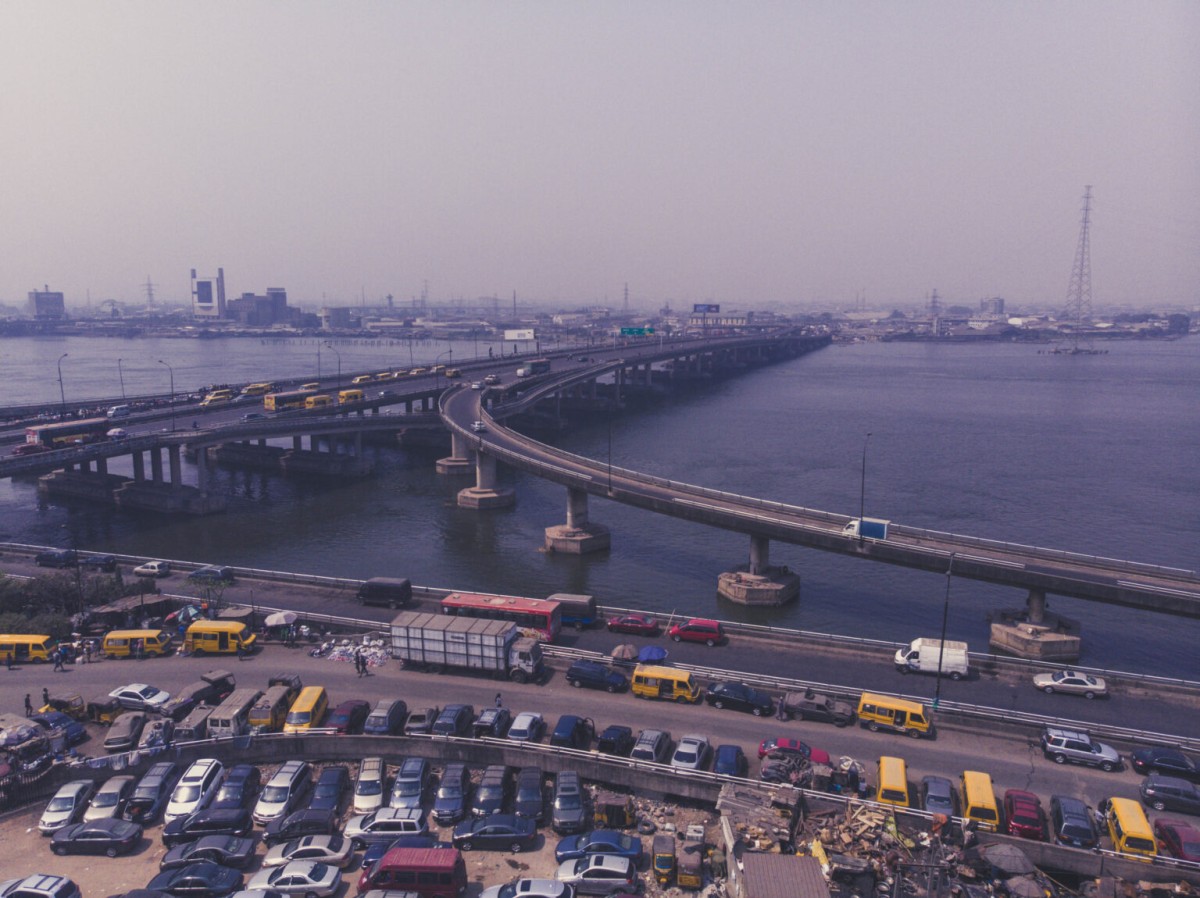
Before any construction begins, commuters will likely experience disruption.
The demolition of an active bridge corridor in one of Africa’s busiest cities will redirect significant traffic pressure onto the Third Mainland Bridge and Eko Bridge, both of which already carry more than they were designed for. Lagos State and federal authorities will need to coordinate carefully to manage the impact on daily movement.
However, once completed, a new Carter Bridge could stand for over 100 years. That longevity is the central argument for building new rather than patching old.
The Bigger Picture for Lagos
For Lagos specifically, a rebuilt Carter Bridge would do more than ease traffic. It would reduce the economic cost of gridlock, which affects productivity, goods movement, and quality of life for the millions who call the city home. The bridge has historically been a critical channel for commercial activity between the Island’s business districts and the mainland’s residential and industrial hubs.
FURTHER READING
What FEC has done is take a decision that governments before it delayed for years. That in itself is significant. But commuters watching their morning commute crawl will rightly want to see that decision translate into steel and concrete, not just briefings at Aso Rock.
Philip Ibitoye is a Special Correspondent with EKO HOT BLOG. Click here to find daily analysis and critical insight on trending issues in Lagos and other parts of Nigeria.
Click to watch the video of the week below: