
Their workplace is not loud. It does not celebrate birthdays or promotions. It holds silence, routine and responsibility. For them, it is simply work, carried out with professionalism even in the presence of grief.
EDITOR’S PICK
- 540 Candidates Cleared as Lagos APC Moves to Elect LGA Executives
- Court Sentences Pastor to Death for Killing UniUyo Student
- Lagos Teacher Questions Lack of Recognition for One-Day Governor Mentors
During a recent visit to a mortuary, I met an attendant who was arranging his duties with steady focus. His movements were deliberate, shaped by years of experience. He did not speak softly. His voice was tired, carrying the weight of long hours and continuous demand.
He was also a smoker. His eyes were slightly red, and his face showed signs of strain. It was not just physical exhaustion. It was the cumulative effect of a job that rarely offers rest and constantly confronts mortality.
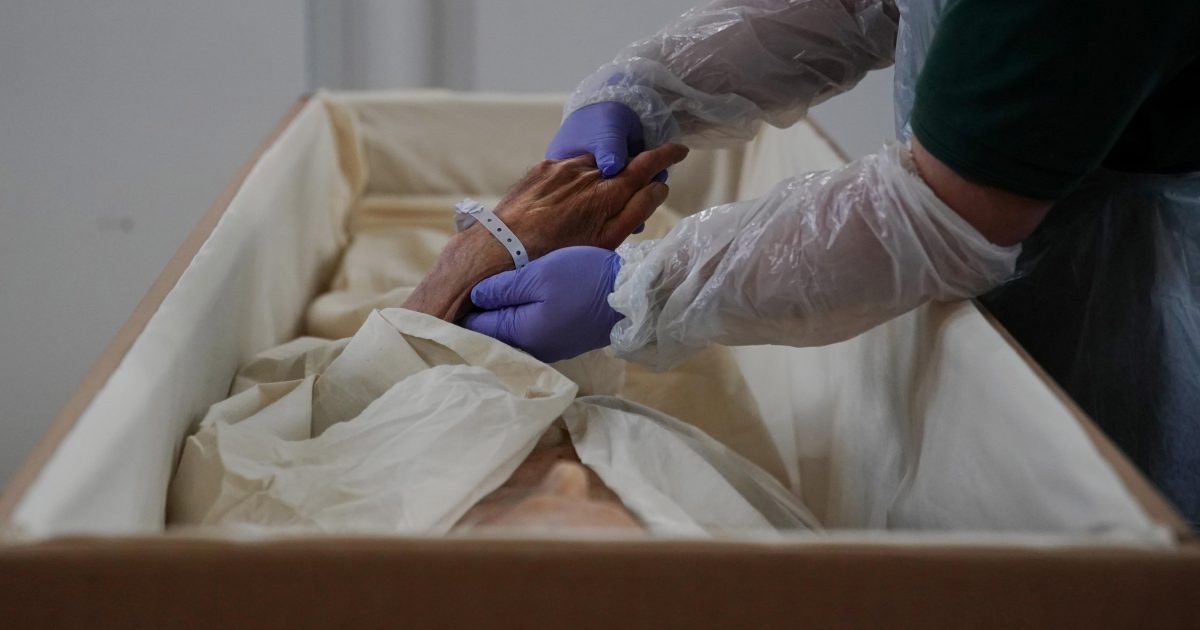
He explained that he had not rested properly in days. Not because he disliked his work, but because the workload was intense. He expressed concern about the increasing number of deaths passing through the facility, particularly young people in their thirties. His tone was not emotional. It was weary and reflective of daily exposure to loss.
At one point, he appealed to families to consider burial arrangements more quickly in certain situations. He suggested that instead of keeping bodies for extended periods for embalming, prompt burial could sometimes ease and allow families to proceed with closure, especially if the deceased is a young person. His concern was practical, not dismissive. The mortuary, he said, was already full.
He also mentioned that many young people were lying inside at that time. The space was stretched, and the inflow of bodies continued. Before we left, we observed about five people had been brought in dead within a short period.
His words were not dramatic. They reflected operational reality.
Working in such an environment must shape a person in ways few outsiders understand. Mortuary attendants stand at the final stage of life. They handle bodies daily, yet they are still human beings with emotions, families and personal lives. Do they see their task purely as a service, or does each case quietly register in their thoughts? Do they build emotional boundaries to cope, or do the experiences follow them home after every shift?
What is certain is that repetition changes perspective. When death becomes part of daily routine, it may no longer appear shocking in the same way, but it never stops being real.
The room they work in is equal in its treatment of everyone. Titles vanish there. Wealth does not matter. Status disappears. Every individual receives the same careful handling. Humanity becomes the only shared identity.
The attendant I met returned to his duties without complaint. His tired expression remained, but his professionalism did not waver. He continued with quiet discipline, ensuring that each responsibility was fulfilled.
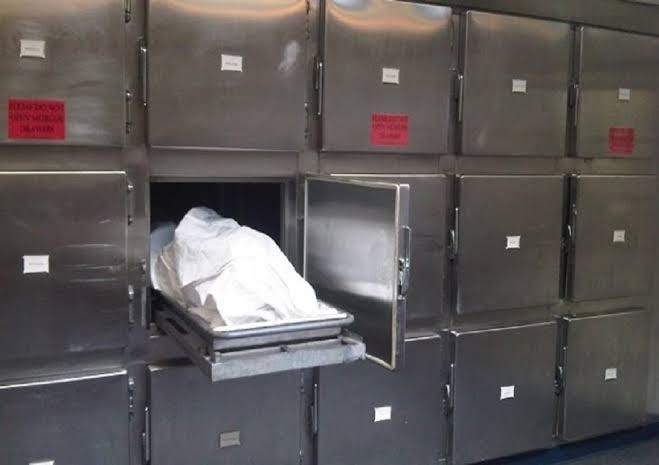
His presence left a lasting impression. Mortuary attendants operate in silence, yet their work speaks loudly about the fragility of life. Their environment reminds us that time is limited and that each day is not guaranteed.
While they care for the dead, they also serve the living by providing dignity, order and closure.
One day, every person will require the same care.
Their role may be quiet, but its importance is profound.