- Oyedele says Nigerians attacking the World Bank do not understand how the lending system works
- Minister compares criticism of Nigeria’s loans to destroying an ATM without understanding how it operates
- He warns against twisting economic data for political campaigns ahead of 2027
The Minister of Finance and Coordinating Minister of the Economy, Taiwo Oyedele, has criticised Nigerians who attacked the World Bank on social media over its decision to lend money to Nigeria.
Eko Hot Blog reports that Oyedele said the backlash against the global financial institution reflected a lack of understanding of how the lending system works.
EDITOR’S PICK
- How Lagos Achieved 57.4% Exclusive Breastfeeding Rate
- Shaibu Lists Nigeria’s Biggest Security Challenges
- Vote, Protect Your Mandate, Governor Adeleke Urges Residents Ahead of August 15 Polls.
The minister spoke on Wednesday in Abuja during a media briefing on the Federal Government’s economic reform scorecard.
According to him, some Nigerians stormed the World Bank’s social media pages to abuse the institution over loans extended to Nigeria, forcing the organisation to disable comments.
“People went to the social media account of the World Bank to go and be abusing them that they’re giving Nigeria loan. World Bank just switched off the comments. We’ve gotten the loan because that’s not how the system works,” Oyedele said.
He explained the situation using an Automated Teller Machine analogy, arguing that people who do not understand how a system operates could end up attacking the wrong target.
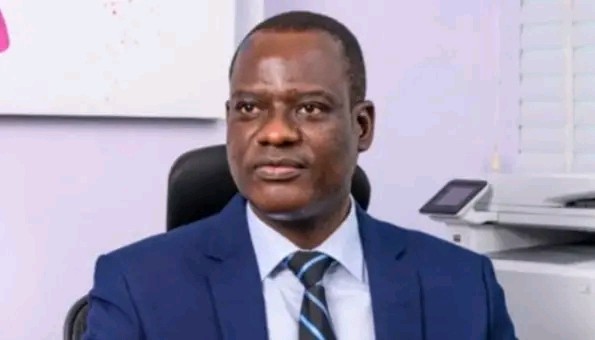
Oyedele said someone unfamiliar with how an ATM works might see people withdrawing money and conclude that the government was deliberately allowing only certain individuals to access funds.
He said such people could then organise protests and attack the system without first understanding the processes behind it.
“Some people who have no knowledge of how it works. They said why is government allowing some people withdraw money here and they’re not giving to the rest of us,” he said.
The minister said leaders could emerge from such a group and demand that everyone be allowed to withdraw money, even when the funds had not been deposited into the bank.
“So some leaders emerged from their group and said this is not fair government has to and then they went and destroyed the ATM, beat up some other people withdrawing money there and they were hailing their hero,” he said.
He added, “Yes, let everybody withdraw money from the ATM. They haven’t put money in the bank.”
Oyedele said the analogy reflected how some Nigerians approached economic issues without understanding the systems involved.
According to him, attacking institutions without understanding how they operate only wastes energy and does not address the underlying problems.
“If you don’t understand how the system works, you waste energy,” he said.
The minister also stressed the importance of knowledge in holding government accountable, urging Nigerians to properly understand economic policies and data before drawing conclusions.
“Part of your ability to hold government to account is having the right knowledge. If you don’t, you’re wasting your energy,” Oyedele said.
He further warned that economic data from the Federal Government’s reform scorecard could be manipulated for political purposes ahead of the 2027 elections.
“I know what’s going to happen after today now is some people will take this data and turn it upside down for campaign,” he said.
Oyedele urged Nigerians to critically examine their intentions when discussing the country’s economic situation and policies.
“And you have to be honest with yourself. Are you trying to build your country or you are trying to tear it apart?” he asked.
The briefing was organised by the Federal Ministry of Finance as part of the presentation of the “Nigeria’s Reform Scorecard: The Benefits and Harms Prevented.”
The exercise followed President Bola Tinubu’s directive for the Minister of Finance and Coordinating Minister of the Economy to publicly account for the gains, costs and impacts of the administration’s economic reforms since 2023.
FURTHER READING