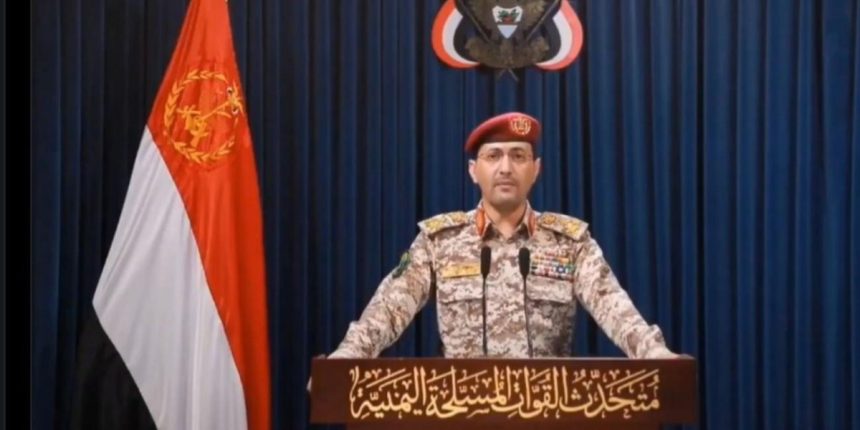
- Abdul-Malik al-Houthi, leader of Yemen’s Houthi Movement, has formally declared the group’s alignment with Iran in the escalating conflict against the United States and Israel.
- In a televised broadcast on Friday, March 20, 2026, al-Houthi warned that any American support for Israeli military objectives against Iran would be treated as a direct threat to Yemen and the wider “Islamic nation.”
- Security analysts warn that this formal entry into the war could severely destabilize critical maritime corridors in the Red Sea and increase the risk of a full-scale regional conflict.
The Houthi movement in Yemen has officially entered the fray alongside Iran. Abdul-Malik al-Houthi, the group’s leader, framed the declaration as an existential struggle for sovereignty and religious identity.
Eko Hot Blog reports that he accused the United States of empowering “the Israeli enemy” to control the entire region, stating that Yemen “cannot be silenced” in the face of Western and Israeli influence.
EDITOR’S PICK
- Ogun Begins Crackdown on Illegal Parks at Sango Border Over Rising Accidents
- Police Nab 30-Year-Old ‘Super M’ During Stop-and-Search in Lagos
- LASG Launches Investigation Into Cosmetic Surgery Death
The Houthi leader described the confrontation as a “battle of the whole nation” and a religious obligation, calling for unity and resistance through Jihad.
“The battle is the battle of the whole nation… and victory in the movement in Jihad in the way of Allah,” he declared during the broadcast.
The speech was heavily laced with ideological undertones, warning that continued Western influence would lead to the plundering of regional wealth and the “enslavement and humiliation” of the people.
This formal alignment marks a dangerous escalation for global trade and security.
The Houthis have already been active in targeting shipping routes in the Red Sea, and an open declaration of war suggests an intensified campaign against vessels and potential direct strikes on Israeli-linked targets.
International observers are concerned that the involvement of non-state actors like the Houthis will draw U.S forces, already deployed in the region, into a more direct and prolonged confrontation.
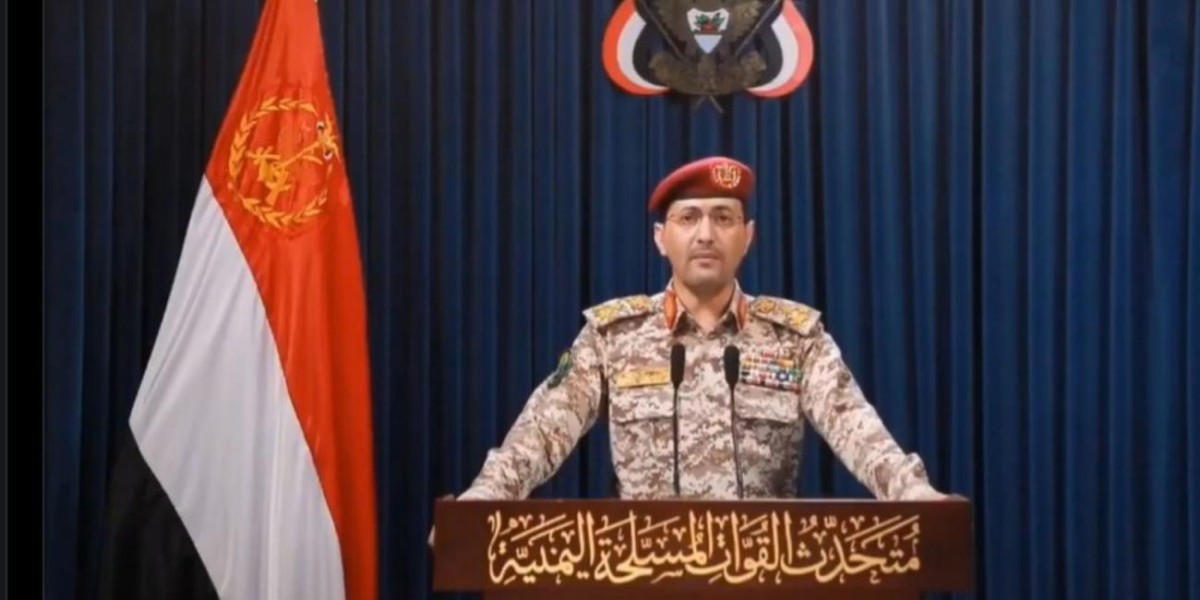
As hostilities between Iran and Israel continue to spiral, the Houthis’ involvement adds a complex layer to the humanitarian and economic crisis.
With the Red Sea serving as a vital artery for global commerce, the formalization of this alliance threatens to disrupt supply chains further and push the region closer to an all-out, multi-front war with far-reaching global consequences.