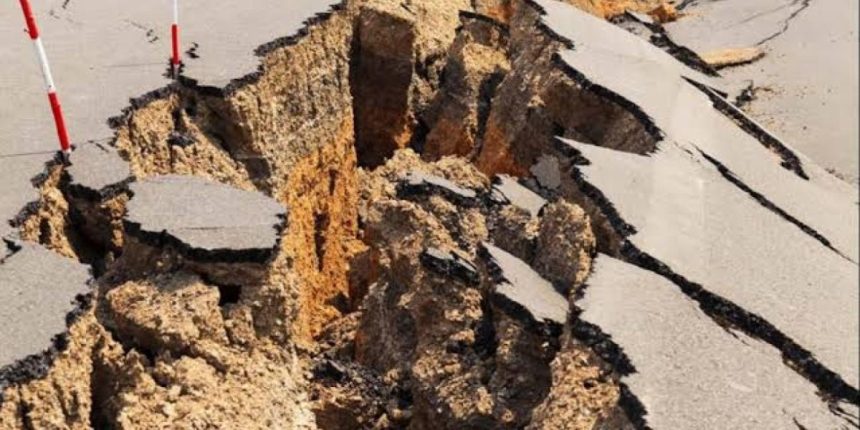
- A 4.4-magnitude earthquake hit the Gerash region of southern Iran on Tuesday, March 3, 2026, at a shallow depth of 10 kilometers.
- The seismic event occurred amidst a backdrop of heavy military activity, as United States and Israeli forces continue a joint operation targeting Iranian strategic infrastructure.
- While no immediate casualties from the quake have been reported, the tremor has significantly heightened panic among a population already dealing with constant bombardments and regional instability.
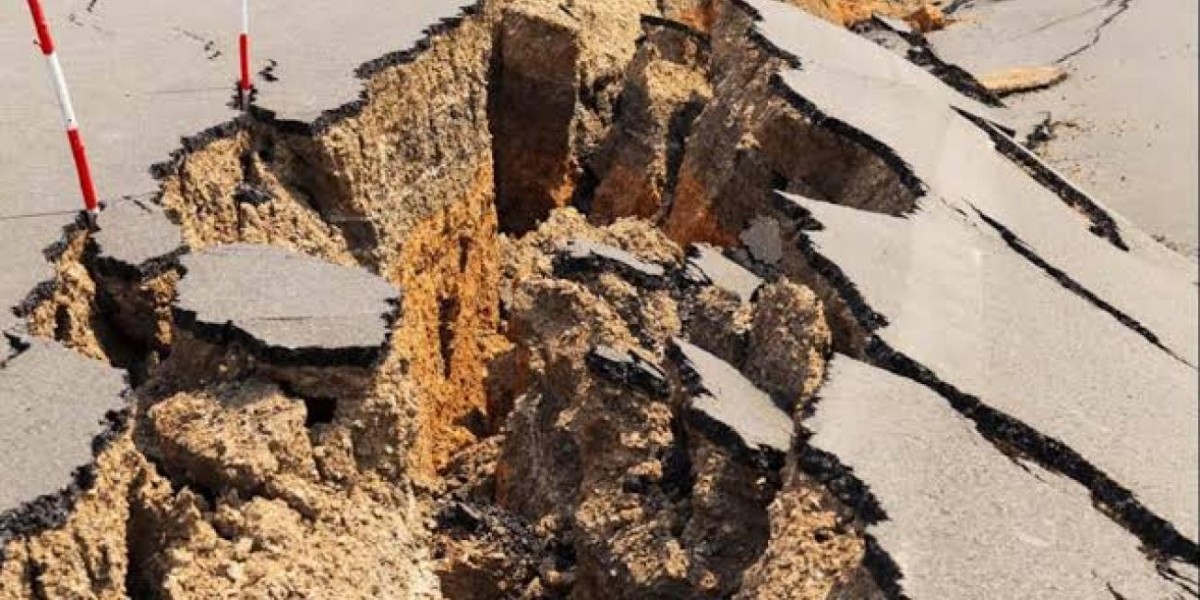
The Gerash region in southern Iran was struck by a 4.4-magnitude earthquake on Tuesday, March 3, 2026, adding a natural disaster layer to an already dire security situation.
Eko Hot Blog reports that the tremor, which occurred at a depth of 10 kilometers, sent residents panicking into the streets.
EDITOR’S PICK
- 540 Candidates Cleared as Lagos APC Moves to Elect LGA Executives
- Court Sentences Pastor to Death for Killing UniUyo Student
- Lagos Teacher Questions Lack of Recognition for One-Day Governor Mentors
For many, the initial shock of the ground shaking was indistinguishable from the vibrations of the ongoing aerial bombardments that have characterized the last several days of the conflict involving the United States and Israel.
The earthquake hit as Iran continues to grapple with the fallout of “Operation Epic Fury,” the massive military campaign launched by U.S. and Israeli forces.
Recent strikes have reportedly caused significant damage to both military facilities and civilian structures, leaving emergency response systems severely overstretched.
The dual impact of the natural tremor and the man-made military crisis has created an atmosphere of extreme uncertainty, with residents in affected areas reporting the sounds of explosions echoing across the region shortly before and after the seismic event.
While early assessments indicate no large-scale destruction or immediate loss of life directly attributed to the earthquake, authorities are concerned about the structural integrity of buildings previously weakened by military strikes.
Emergency agencies are currently attempting to monitor the situation for potential aftershocks, though their efforts are hampered by the active combat zones and the general breakdown of communications in certain sections of the country.
The situation in Iran remains highly volatile as the world watches the convergence of a major military escalation and a natural disaster.
International humanitarian observers have expressed concern that the combination of these events will lead to a rapid deterioration of living conditions for civilians trapped in the crossfire.
As of Tuesday afternoon, the Iranian government had yet to release a detailed report on the extent of the damage in Gerash, as military priorities continue to dominate the national agenda.