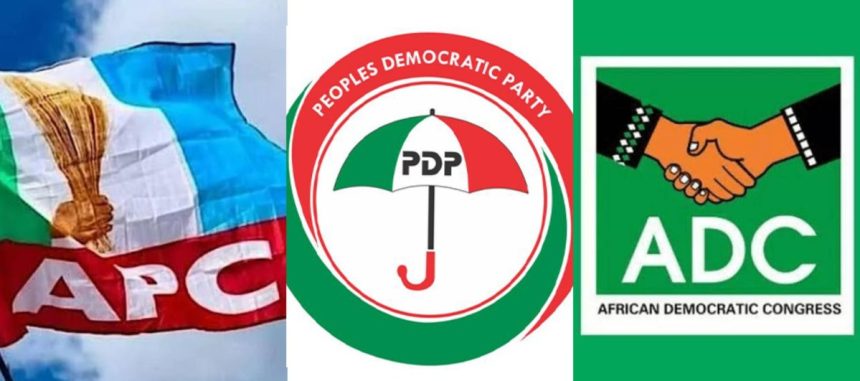
For most Nigerians, politics begins and ends at the general election; that moment every four years when queues form at polling units and voters choose between the candidates on the ballot.
But here is the uncomfortable truth: by the time you join that queue, the most important decision has already been made without you.
EDITOR’S PICKS
Under Nigeria’s new Electoral Act 2026, the power to determine who even appears on that ballot has quietly but decisively shifted and it now lies squarely with registered party members.
What has changed?
The National Assembly, in passing the Electoral Act 2026, signed by President Bola Tinubu on February 18, 2026, abolished indirect primaries. Gone is the old system where a handful of selected delegates, often loyal to governors or party kingpins, would gather in a hall and handpick candidates on behalf of millions.
In its place, the law now mandates direct primaries — a “one member, one vote” model where every registered card-carrying member of a party has the right to vote for who flies the party’s flag at the general election.
In plain terms: if you are not registered with a political party, you have no say in who becomes a governor, senator, or president.
But there is a catch
The same law, under Section 77, requires every political party to submit a verified digital membership register to the Independent National Electoral Commission (INEC) before primaries can hold. Only those whose names appear on that register may vote, or be voted for, in any primary. Parties that fail to comply risk being barred from fielding candidates altogether.
This is precisely why the mad dash to register is happening right now. The APC ran its e-registration from December 2025 and closed it on February 8, 2026. The ADC launched its free online portal on Sunday, March 1, and is still accepting registrations. The PDP began its own digital exercise on March, 2.
The message from every major party is the same: get on the register or be left out entirely.
Why this is a big deal
Under the old delegate system, the average Nigerian had virtually no influence over who emerged as a candidate.
Aspirants needed only to “settle” a few hundred delegates, often flown to hotels, handed envelopes, and told how to vote. The result was that Nigerians consistently went to general elections choosing between candidates they had little hand in selecting.
Direct primaries, whatever their imperfections, fundamentally disrupt that arrangement. When millions of registered members must be mobilised across wards and local governments, it becomes far harder and far costlier for any single political godfather to manufacture an outcome.
What you should do
If you are between 18 and 40 and lean towards the APC, the party’s online registration appears to have concluded. But for those aligned with the PDP, registration is ongoing daily (except Sundays) at ward and chapter offices nationwide. The ADC’s free portal at adcregistration.ng remains open with no announced closing date.
The African Democratic Congress (ADC) has officially commenced free online membership registration across Nigeria, following the successful kick-off of its nationwide registration and revalidation in Abuja last month.
The new digital registration platform, accessible via… pic.twitter.com/6UUfyoBCVL
— African Democratic Congress (@ADCNig) March 1, 2026
The political parties are, for once, not asking Nigerians for their votes, they are asking for their membership. The difference matters enormously. A vote at the general election chooses between options others have set for you. A membership gives you a hand in setting those options in the first place.
FURTHER READING
Register with your party. That card is no longer just a piece of plastic, it is the closest thing to a primary ballot that most Nigerians will ever hold.
Philip Ibitoye is a Special Correspondent with EKO HOT BLOG. Click here to find daily analysis and critical insight on trending issues in Lagos and other parts of Nigeria.
Click to watch the video of the week below: