- Ongoing geopolitical hostilities involving Israel, Iran, and the United States have restricted maritime movements through the vital Strait of Hormuz, prompting Indian refiners to significantly increase crude purchases from Nigeria and other alternative producers.
- India, the world’s third-largest oil importer, has turned sharply toward West African and Latin American supplies to successfully offset major shipping bottlenecks from traditional Gulf producers like Iraq.
- While Nigerian oil producers are reaping substantial financial rewards from the resulting global price surge, everyday citizens face a stark contrast as domestic fuel prices climb.
Disruptions to oil shipments through the Strait of Hormuz caused by the ongoing Israeli-United States conflict with Iran have boosted Nigeria’s crude exports to India in recent weeks as the country’s refiners turned to African and Latin American sources for supplies.
Eko Hot Blog reports that according to recent data from global commodities tracking firm Kpler, Indian processing plants expanded their cargo intakes from Nigeria, Angola, Brazil, and Venezuela through April and May to cushion against severe supply volatility in the Middle East.
EDITOR’S PICK
- Fresh Details Emerge on Death of Odomola Monarch, Oba Adebowale Adeshina
- Sanwo-Olu Applauds LASU’s Academic Excellence After JAMB Ranking
- NRC Moves 176,820 Tonnes Of Cargo Through Lagos Ports In Q1
India, the world’s third-largest oil consumer, had historically relied on the Persian Gulf for the bulk of its energy requirements before regional escalation choked off safe passage through the strategic channel.
The Strait of Hormuz remains the world’s most critical maritime oil chokepoint, serving as the primary export gateway for heavy producers like Iraq, Kuwait, Qatar, and Bahrain.
With Iraq’s shipping operations entirely halted last month due to the conflict, Indian energy companies have been forced to aggressively diversify their networks.
While Russia, the United Arab Emirates, and Saudi Arabia maintain their status as India’s top three oil suppliers, partly because the UAE and Saudi Arabia possess specialized pipeline infrastructure capable of bypassing the chokepoint, Nigeria has emerged as a prime beneficiary of India’s urgent drive to secure alternative light sweet crude grades.
The shift in global buying patterns comes even as India maintains a steady volume of discounted Russian crude, despite a temporary 29.4 percent drop in Russian shipments following a major refinery maintenance shutdown by Nayara Energy.
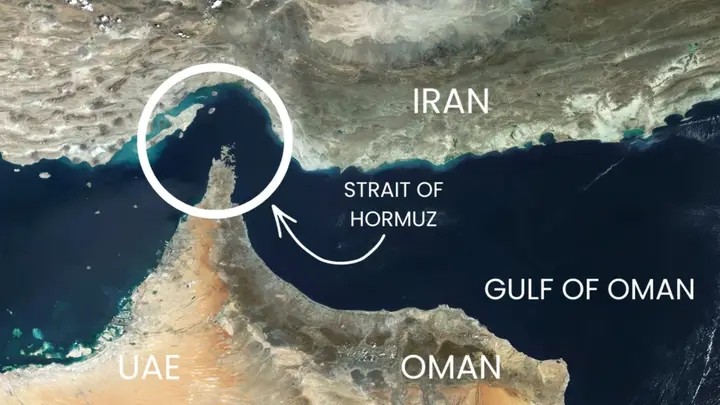
Industry analysts and international traders continue to sound alarms that any prolonged closure or security breakdown within the Strait of Hormuz will drastically tighten global energy inventories and drive fuel prices up globally.
For Nigeria, this friction has created a complicated economic paradox: local oil producers are enjoying a lucrative windfall from soaring international market valuations, while the domestic masses are left struggling against the inflationary pressure of rising fuel prices at home.