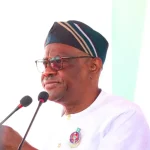
- President Buhari was frequently accused of favoring northern Muslims
- Arrest and Detention of Nnamdi Kanu
- Fuel Subsidy Policy Reversal
Former President Muhammadu Buhari’s eight-year tenure (2015–2023) was marked by a mix of bold policy moves, economic challenges, and widespread controversies that drew both national and international attention.
Eko Hot Blog reports that despite his promises of anti-corruption, security, and economic reform, Buhari’s administration faced strong criticism over several incidents that remain part of his legacy.
EDITOR’S PICK
- Ladoja Postpones Return To Ibadan To Honour Late Olubadan
- ‘He Led With Dignity’ – Peter Obi Mourns Buhari
- APC To Replace Key Leaders Ahead Of The 2027 Polls
Below are 10 key controversies that defined the Buhari years:
1. #EndSARS and the Lekki Toll Gate Shooting (2020)
The #EndSARS protests against police brutality rocked Nigeria in October 2020. The protests, which were largely peaceful, turned tragic on October 20 when security forces allegedly opened fire on unarmed demonstrators at the Lekki Toll Gate in Lagos.
The federal government denied any casualties, but eyewitnesses and independent investigations suggested otherwise. The incident led to global condemnation and accusations of state-sanctioned violence.
2. Allegations of Nepotism in Appointments
President Buhari was frequently accused of favoring northern Muslims in key government appointments. Critics pointed to a lack of ethnic and religious balance in the security architecture and top federal agencies, alleging a breach of Nigeria’s federal character principle. The administration consistently denied any bias.
3. Arrest and Detention of Nnamdi Kanu
The controversial re-arrest and extradition of IPOB leader Nnamdi Kanu from a foreign country in 2021 triggered a wave of protests, especially in the Southeast. His prolonged detention without trial raised questions about due process and the government’s handling of secessionist movements.
4. Defiance of Court Orders in High-Profile cases
The Department of State Services (DSS) came under fire for repeatedly ignoring court orders, particularly in the cases of journalist Omoyele Sowore and former National Security Adviser Sambo Dasuki. Both were detained for extended periods despite court rulings ordering their release, raising concerns about executive interference in the judiciary.

5. Fuel Subsidy Policy Reversal
Buhari’s administration faced backlash for continuing and even expanding fuel subsidy payments, despite campaigning in 2015 against such subsidies. The government spent billions annually on subsidies, drawing accusations of policy inconsistency and lack of transparency.
6. Kankara Schoolboys Abduction (2020)
In December 2020, over 300 schoolboys were kidnapped in Kankara, Katsina State, while President Buhari was visiting his home state. The incident drew widespread criticism of his security strategy. Though the students were eventually released, the government’s claim that “no ransom was paid” was met with skepticism.
7. Twitter Ban (2021)
In a controversial move, the federal government suspended Twitter operations in Nigeria after the platform deleted a tweet by Buhari deemed to incite violence. The ban, which lasted over seven months, was widely criticized as a suppression of free speech and had economic and reputational impacts for the country.
8. Corruption Allegations Against Top Officials
Despite presenting himself as an anti-corruption champion, several officials under Buhari were accused of embezzlement and abuse of office. Notable cases included former Secretary to the Government of the Federation Babachir Lawal and suspended EFCC Chairman Ibrahim Magu. Critics said the government’s anti-graft efforts were selective and politically motivated.
9. Frequent Medical Trips Abroad
Buhari came under intense scrutiny for his repeated medical trips to the UK, spending over 200 days abroad during his presidency. This was seen as a betrayal of his campaign promises to improve Nigeria’s healthcare sector and end medical tourism by public officials.
10. Escalating Insecurity Across the Country
From Boko Haram insurgency in the Northeast to herder-farmer clashes in the Middle Belt and rampant banditry in the Northwest, insecurity worsened under Buhari. Despite his military background, critics said he failed to restore order or implement effective reforms in the nation’s security sector.
FURTHER READING
- Trump Threatens Powell Over $700m Fed Renovation Overruns
- Kogi Govt Uncovers Shocking Network of Locals Aiding Kidnappers in Forest Camps
Click here to watch video of the week