- She referenced provisions of the 1999 Constitution, which mandate political parties to operate democratically
- They argued that the group lacked the constitutional authority to organise state congresses or set up committees for that purpose
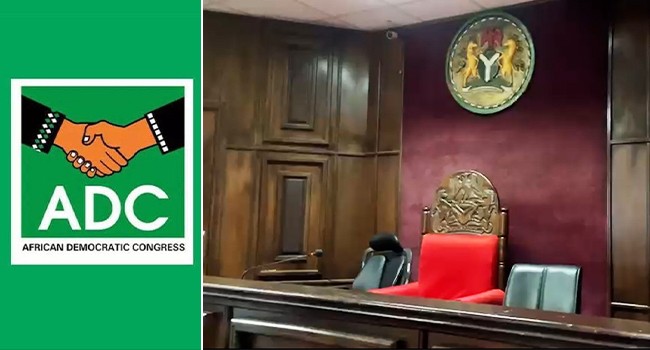
The Federal High Court in Abuja has stopped the Independent National Electoral Commission (INEC) from recognising or taking part in any congress organised by a disputed leadership faction of the African Democratic Congress (ADC).
In a judgment delivered by Joyce Abdulmalik, Eko Hot Blog gathered that the court also restrained former Senate President David Mark and other party figures from interfering with the duties and tenure of duly elected state executives.
EDITOR’S PICK
- Lassa Fever Hits Oyo, Government Activates Emergency Response
- Bruno Fernandes Reveals Why He Rejected Huge Al Hilal Move
- FG Defends Borrowing Strategy
The case was initiated by Norman Obinna and six others, representing ADC state chairmen and executive committees, who challenged the legality of actions taken by an interim national leadership.
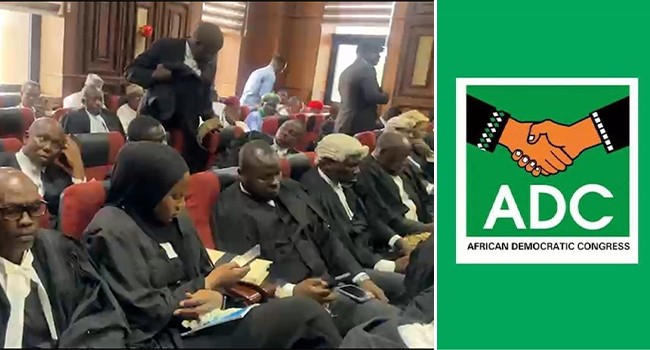
They argued that the group lacked the constitutional authority to organise state congresses or set up committees for that purpose.
In her ruling, Justice Abdulmalik held that the claims brought before the court were valid, noting that the key issue was whether the defendants had the legal backing to assume powers meant for elected state party structures whose tenure is protected by law.
She referenced provisions of the 1999 Constitution, which mandate political parties to operate democratically, as well as the ADC constitution, which sets limits on the tenure of party officials.
The judge ruled that the process adopted by the defendants, including the creation of a congress committee, was not recognised under the party’s constitution. She affirmed that only properly elected state executives have the authority to organise congresses.
As a result, the court nullified the committee set up by the disputed leadership and barred INEC from recognising any congress conducted by it.
Justice Abdulmalik further ordered that the tenure of the current state executive committees must be respected and allowed to run its full course.
She also restrained Mark and other defendants from organising any congresses or conventions outside the provisions of the party’s constitution or taking actions that could undermine the authority of the state executives.
On the objections raised by the defendants, the court ruled that it had jurisdiction over the matter, as it involved INEC’s role.
The judge also dismissed claims that the case was purely an internal party issue, stating that courts can intervene when constitutional provisions are allegedly breached.
The court equally held that the plaintiffs had the right to institute the case, as they demonstrated a shared grievance and were directly affected by the disputed actions.
With these findings, the court resolved all preliminary objections in favour of the plaintiffs and upheld their claims.
FURTHER READING