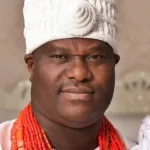
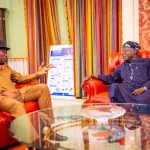
- Traditional Leaders’ Bill Faces Fierce Opposition Over Ooni and Sultan’s Elevated Status
- The bill has been describe as divisive, undemocratic
- Concerned Hausa Stakeholders rejected the bill as ethnically biased and misleading
The proposed bill to create the National Council of Traditional Rulers of Nigeria was expected to be a positive step by constitutionally recognizing the role of traditional rulers in national peace and development.
Eko Hot Blog reports that the clause granting the Ooni of Ife and the Sultan of Sokoto authority over other traditional rulers has drawn widespread criticism from groups like the Middle Belt Forum and Ohanaeze Ndigbo.
EDITOR’S PICK
- Lagos PDP Inaugurates Screening Committee Ahead of State Congress
- North Needs Unity Not Infrastructure – APC Chieftain
- INEC Rejects ADC’s David Mark-Led Caretaker Committee
These groups describe the bill as divisive, undemocratic, and a threat to Nigeria’s federal character. Sponsored by Senator Simon Bako Lalong, the bill passed second reading and is before the Senate Committee on Establishment and Public Service.
Despite its goal to formalize traditional leadership, the clause assigning permanent leadership roles to these two monarchs has sparked outrage.

Ohanaeze Ndigbo condemned the bill as unjust, ethnocentric, and violating principles of equity and fairness. Its National Publicity Secretary, Dr. Ezechi Chukwu, stated, “We are profoundly astounded by the rationale behind such an asymmetric bill by the Senate, with its utter disregard for fairness, equity, justice and the principle of federal character.” The group called for the bill’s withdrawal and review to reflect ethnic diversity, cultural sensitivity, and inclusive governance.
The Middle Belt Forum opposed the clause elevating the Sultan of Sokoto, arguing on historical and cultural grounds that the Sokoto Caliphate is relatively young compared to older Middle Belt kingdoms. Its spokesman, Luka Binniyat, noted that traditional rulers like the Attah of Igala, Tor Tiv, and Etsu Nupe hold higher historical and cultural status. The group emphasized that the Sultan is primarily a religious leader and that giving him institutionalized leadership in a traditional rulers council would alienate non-Muslim groups and violate Nigeria’s secular constitution. The Forum vowed to boycott any council structured with this bias and threatened to form an autonomous council to reflect their values.
Similarly, Concerned Hausa Stakeholders rejected the bill as ethnically biased and misleading, emphasizing that the Sultan of Sokoto is a religious leader, not a secular traditional ruler. They highlighted other longstanding traditional authorities among the Hausa, Igbo, and Kanuri peoples, stating, “To recognize only the Sultan of Sokoto and the Ooni of Ife is a deliberate marginalization of other Nigerian civilizations.” They warned the bill risks fostering ethnic division by institutionalizing favoritism toward the Fulani and Yoruba ethnic groups.
The Alaigbo Development Foundation described the bill as provocative and subjugative, urging President Bola Tinubu and Igbo lawmakers to reject it to defend national cohesion and fairness.

Criticism also came from within the South West. University lecturer Femi Adebowale argued the Ooni of Ife cannot represent the entire Yoruba nation, pointing out the Alafin of Oyo’s superior traditional status. He stated, “It will be an insult for the Alafin to be subjugated under the Ooni.” Likewise, Lagos lawyer Caleb Osazuwa from Benin described the move as “the greatest joke of the century,” stressing that all ethnic groups must be equally represented in any national traditional council to ensure equity, justice, and peaceful coexistence.
In summary, critics view the bill’s current form as ethnically divisive, unjust, and a threat to Nigeria’s unity, calling for a more inclusive and balanced approach that respects Nigeria’s ethnic, cultural, and religious diversity.